Why Holiday Grease Clogs Kitchen Sinks: A Columbia Plumber Explains
Key Takeaways
- Warm cooking grease poured down the sink cools and sticks to pipe walls, narrowing the line long before a holiday meal is even finished
- A garbage disposal grinds food scraps smaller but does nothing to stop grease or small food particles from building up farther down the drain
- A kitchen sink that drains slowly for weeks and then stops within a day or two of a big meal usually points to grease buildup rather than a one-time clog
- Cabling and hydro jetting solve different problems, and knowing which one actually fixes a greasy line can save a homeowner a repeat service call
- A sewer camera inspection can show whether a clog is caused by grease, roots, or a structural issue before any cleaning method is chosen
Thanksgiving through New Year's puts more strain on a Columbia kitchen sink than any other stretch of the year, and the timing is rarely a coincidence. Seeing what actually happens inside the pipe during holiday cooking makes it much easier to keep a sink draining through every meal this season.
Why Your Kitchen Sink Backs Up at the Holidays
Holiday cooking means more roasting pans, more gravy, more butter, and more oil than an ordinary week of meals. All of that fat has to go somewhere once the dishes are done, and for many households, the easiest path is straight down the kitchen sink. Holiday meals send more cooking fats and starchy food scraps into kitchen drains than usual, and as that grease cools along the pipe walls, it combines with scraps to form the kind of blockage that shows up right when the house is fullest of guests.
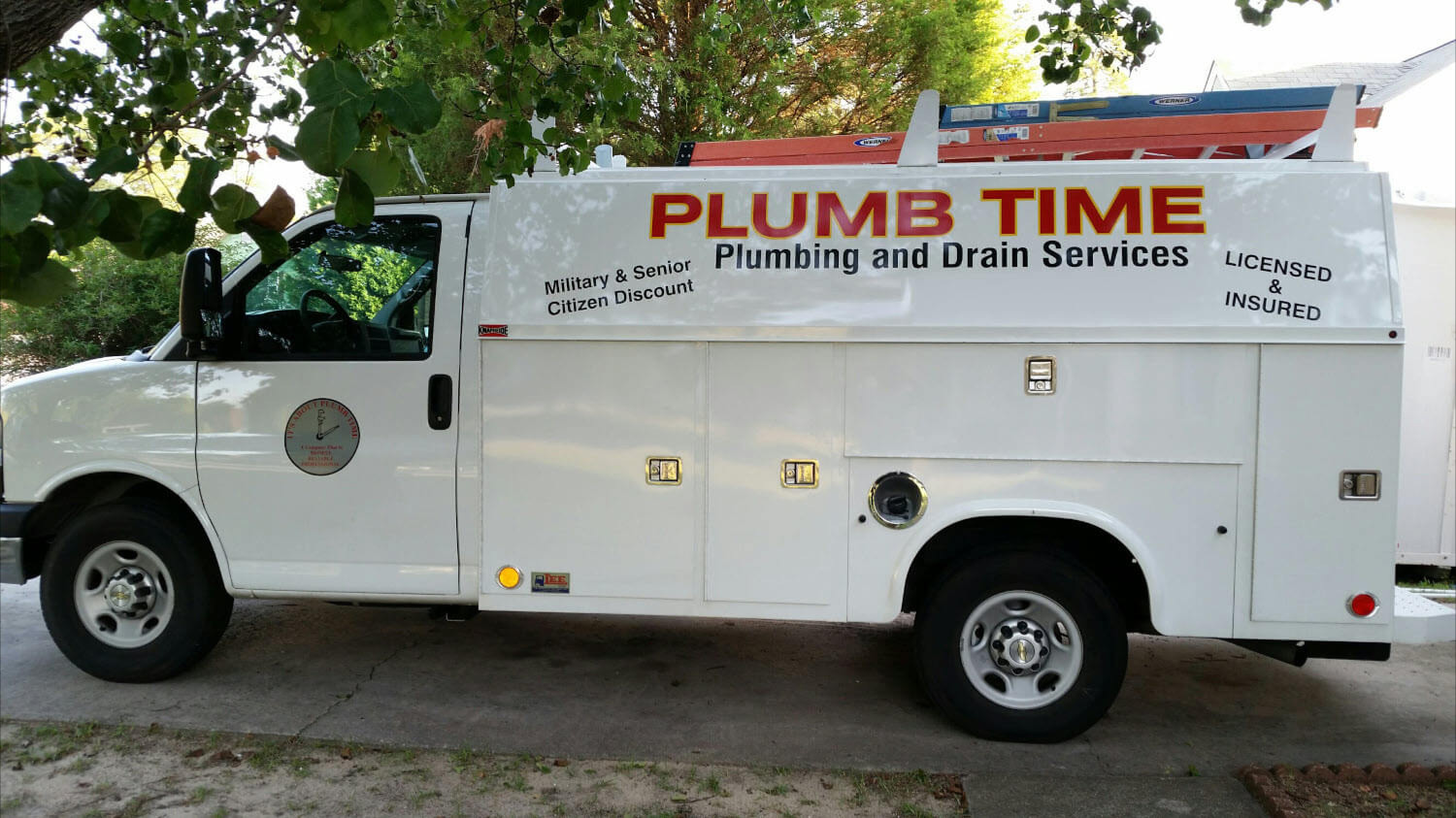
The kitchen drain is not the only line under extra pressure. Garbage disposals run harder during the holidays, handling more scraps than they do the rest of the year, while houseguests add extra showers, laundry loads, and toilet flushes that increase overall water use throughout the house. Plumb Time Plumbing & Drain Services sees this pattern play out across the Midlands every year, with kitchen sink calls clustering in the weeks right after a major holiday meal.
A sink that has been slowly narrowing for months often does not show real trouble until the exact week it cannot afford to fail. That is the frustrating part of grease buildup: it stays hidden until the morning after a big dinner, when dishes are piling up and the water just will not go down.
How Warm Grease Turns Into a Hard Clog
Grease looks harmless while it is still warm and liquid, which is exactly why so much of it ends up in the sink in the first place. The trouble starts a few feet down the line, where the pipe runs cooler and the fat begins to solidify. Running hot water while rinsing a greasy pan does not change this outcome, because the water cools once it stops running and reaches the cooler sections of pipe beneath the floor or yard, and the grease hardens right where it lands.
Once a layer of grease sticks to the pipe wall, more than grease collects there. Coffee grounds, soap residue, and tiny bits of food catch on that sticky surface, and each new layer narrows the opening a little further. Over weeks, a pipe that once ran clear water easily becomes a bottleneck that only a strong flow can push through, and eventually not even that works.
What a Garbage Disposal Does and Does Not Prevent
A garbage disposal is useful for breaking large food scraps into smaller pieces, but it was never built to deal with fat and grease. Grinding food smaller actually allows more of it to travel farther down the line before settling, which means a disposal can feed material into the exact spot where grease has already begun collecting. Fibrous scraps like celery and potato peels, starchy items like rice and pasta that swell when wet, and small bone fragments the disposal could not fully break down all tend to end up bonding with grease deposits already coating the pipe.
Extra Scraps and Houseguests Add to the Load
A full house during the holidays means more than extra cooking. More people in the house translates to more dishes rinsed, more hands washed, more loads of laundry run, and more overall water moving through every drain in the home. None of that extra use creates a clog by itself, but it does mean more water pushing against a line that may already be narrowing from weeks of holiday cooking, which is often what turns a slow drain into a full stoppage on the exact day it matters most.
Reading the Warning Signs at Your Sink
A kitchen sink rarely goes from fine to fully clogged overnight. Warning signs usually show up for days or even weeks beforehand, and catching them early can mean the difference between a quick fix and a holiday morning spent bailing water out of the sink.
A Slow Drain That Worsens After a Big Meal
A sink that has been draining a little slower than usual for weeks, then suddenly stops within a day or two of a large meal, is showing a classic sign of grease buildup along the pipe walls. Water pooling in both basins of a double sink, rather than just one, usually means the blockage sits past the point where the two drains join together. A kitchen sink that backs up whenever the dishwasher runs comes from that same underlying problem, just seen from a different angle.
When the Problem Is Bigger Than One Sink
A single slow fixture, with every other drain in the house working normally, almost always points to a local clog contained to that one line. The situation changes when two or more fixtures slow down at the same time, or when water shows up in one fixture while a completely different one is being used, such as a tub filling while a toilet flushes. That pattern suggests the problem sits farther along a shared drain or the main line rather than in the kitchen sink alone, and it usually calls for a closer look than a simple plunger can provide.
Keeping Grease and Scraps Out of the Drain
The most effective fix for holiday grease clogs is avoiding them in the first place, and the habits involved are simple enough to build into any holiday cooking routine.
- Let grease and drippings cool in the pan rather than pouring them down the sink while hot, then wipe the pan with a paper towel before washing it.
- Pour cooled fats, oils, and drippings into a can or container and dispose of them in the trash instead of the sink or disposal.
- Scrape plates and pans into the trash before rinsing, catching fibrous scraps like celery strings and potato peels before they reach the drain.
- Keep starchy leftovers like rice, pasta, and stuffing out of the disposal, since these foods swell when they absorb water and bind easily with grease already in the line.
Cabling Versus Hydro Jetting: Matching the Fix to the Cause
When a kitchen or main line clog does form despite the best prevention habits, the method used to clear it matters just as much as catching the problem early.
Cabling uses a rotating steel cable with a cutting head to bore a path through a blockage, and it works well for a localized obstruction such as a single clog near a fixture. The limitation is that cabling opens a channel through the material without necessarily removing the coating left behind on the pipe wall, which means a grease-lined pipe can clog again not long after a cable passes through.
Hydro jetting takes a different approach, using high-pressure water delivered through a specialized nozzle to scour buildup from the full circumference of the pipe rather than just punching a hole through the middle. This makes jetting a better match for lines coated in grease and sludge, since it removes material a cable would simply pass by. For a single slow fixture or a straightforward hair clog, cabling is often the simpler and more appropriate first step; a kitchen line narrowed by months of grease buildup is where jetting tends to make more sense. Plumb Time’s hydro jetting page covers when the camera calls for it: https://www.plumbtimesc.com/hydro-jetting-columbia-sc/.
Why a Sewer Camera Comes Before Any Recommendation
Choosing between these two methods without first seeing inside the pipe is really just a guess. A sewer camera inspection can reveal grease buildup, root intrusion, and structural issues such as a sagging section or a shifted joint, all before any cleaning method gets chosen. It also helps confirm whether a damaged or separated section of pipe exists, since hydro jetting's water pressure works best in a line sound enough to safely contain it. Manny Anderson, the Master Plumber behind the company, runs a camera through the line before making any drain or sewer recommendation, so the homeowner can see the actual cause on screen rather than take a guess on faith.
What a Drain Cleaning Visit Looks Like
A typical visit starts with questions about which fixtures are slow, how long the problem has been building, and what seems to make it worse. From there, the plumber checks the fixtures, runs water to watch how the system responds, and determines whether the issue is isolated to one line or shared across several. For anything beyond a simple fixture clog, the camera goes in next, and the homeowner sees the footage before any price is discussed. The price itself gets put in writing before any work begins, so there is no guessing about cost once the cause is clear.
Call Before the Holiday, Not During It
A kitchen sink that has been draining a little slowly all fall is not likely to fix itself once the oven gets busy and the dishes start piling up. Waiting until the morning of a big meal to deal with a sluggish drain usually means dealing with it at the worst possible moment, with a house full of guests and a sink full of dishes. Addressing a slow drain a week or two ahead of time, while there is still room on the schedule, tends to be far less stressful than waiting for a full stoppage to force the issue.
Active or retired military members and senior citizens can also take advantage of a 10 percent discount when scheduling service, a detail worth asking about when booking service before the holiday. For anyone noticing a kitchen sink running slower than usual this week, it may be worth looking into Plumb Time Plumbing & Drain Services options before the next big meal puts the line to the test.
About Plumb Time Plumbing & Drain Services
Plumb Time Plumbing & Drain Services is a veteran-owned, family-run plumbing company that has served Columbia, West Columbia, Cayce, Oak Grove, Seven Oaks, Springdale, and St Andrews since 2006. Founder Manny Anderson is a South Carolina Master Plumber with over 28 years in the trade, and the company's crew is in-house. Every price is put in writing before work begins, and a sewer camera goes in before any drain or sewer recommendation. The company is located at 3513 Delree St, West Columbia, SC 29170 and can be reached at (803) 988-9202 or at https://www.plumbtimesc.com/drain-cleaning-columbia-sc/. Hours are Monday-Friday: 8am to 5pm, Saturday & Sunday: Client Emergencies Only.
Plumb Time Plumbing & Drain Services
City: Columbia
Address: 3513 Delree St
Website: https://www.plumbtimesc.com/
Phone: +18039889202


Comments
Post a Comment