Luxury Interior Design: Old Lyme Expert Explains How to Create a Cohesive Home
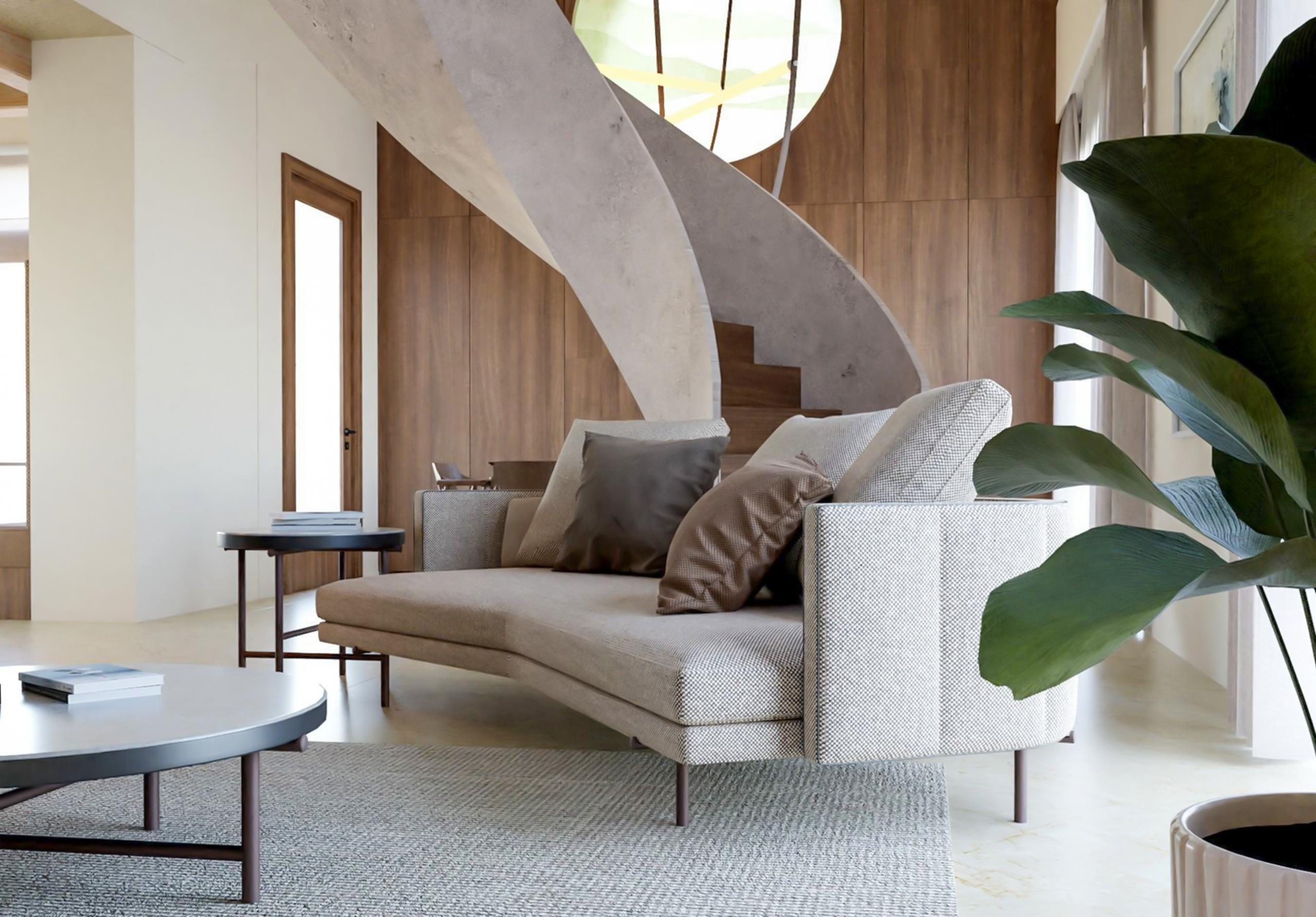
A beautifully designed home is more than a collection of expensive furniture and carefully chosen finishes. The most memorable interiors feel connected, with each room contributing to a consistent atmosphere while retaining its own character. For homeowners planning a complete transformation, achieving this balance requires thoughtful decisions about color, scale, materials, and functionality.
Stephanie Sponzo, founder and principal designer of Connecticut-based Sponzo Interiors, emphasizes the importance of planning a home as a whole rather than treating each room as a separate project. “A cohesive home doesn't mean every room needs to match. It's about creating a consistent design language through color, materials, and proportions while giving each space its own personality.” A thoughtful balance of consistency and individuality allows each room to feel distinctive while contributing to a harmonious home.
Start With a Clear Design Direction
Before selecting individual furnishings, establish the overall feeling the home should convey. Some homeowners prefer understated elegance with neutral palettes and natural textures, while others gravitate toward richer colors, sculptural furniture, and distinctive architectural details.
A cohesive interior does not require every room to look identical. Instead, a consistent design direction helps guide choices throughout the property.
Consider the home's architecture, natural lighting, and existing finishes. These elements provide a foundation for decisions about furniture styles, materials, and decorative accents.
Create Continuity Through Color and Materials
Color is one of the most effective tools for connecting separate spaces. A consistent palette of complementary shades can create visual continuity even when individual rooms feature different furniture or decorative styles.
Choose a few foundational colors and introduce variations through upholstery, artwork, rugs, and accessories. For example, warm neutrals might anchor the main living areas, while deeper accent tones add personality to bedrooms or dining spaces.
Materials also influence cohesion. Repeating wood tones, metal finishes, or natural stone across several rooms creates subtle connections without making the interiors feel repetitive.
Pay Attention to Furniture Scale and Proportion
Even beautiful furniture can disrupt a room when its dimensions are unsuitable. Oversized sofas may overwhelm smaller spaces, while undersized tables can make expansive rooms feel unfinished.
Start with accurate measurements and furniture layouts before committing to major purchases. Consider ceiling heights, circulation paths, architectural features, and the relationship between individual pieces.
In open-plan homes, furniture arrangements should define functional zones without interrupting movement or visual connections between adjoining areas.
Bespoke furnishings can be especially useful when standard dimensions do not accommodate unusual layouts or architectural details.
Balance Consistency With Individual Room Character
A cohesive home should still accommodate different activities and personal preferences. Living rooms may emphasize conversation and entertaining, while bedrooms benefit from softer textures and more restrained decorative elements.
Rather than repeating identical furnishings, maintain continuity through shared design principles.
Similar upholstery textures, complementary finishes, and recurring shapes can connect rooms while allowing each space to develop its own identity.
Lighting also contributes to the overall experience. Combining ambient, task, and accent lighting creates flexibility while reinforcing the home's design direction.
Coordinate Furnishings Before Installation
One frequently overlooked aspect of luxury interior design is the coordination required to bring individual selections together.
Furniture, window treatments, rugs, artwork, and decorative accessories may come from different suppliers, each with separate production and delivery schedules. Without careful planning, these differences can complicate installation and delay completion.
A coordinated furnishing plan establishes purchasing priorities, tracks orders, and accounts for storage and delivery requirements before installation begins.
Professional furniture procurement and installation can help homeowners manage these responsibilities while maintaining consistency across the completed interiors.
Focus on the Home as a Whole
The most successful luxury interiors combine thoughtful aesthetics with practical everyday living. Furniture should support how residents use each space, while materials and finishes should suit their maintenance preferences and routines.
Before finalizing a design, review how rooms connect, whether furniture proportions feel balanced, and whether decorative choices support the intended atmosphere.
A cohesive home is not defined by matching every detail. It comes from making deliberate decisions that allow individual spaces to feel distinctive while remaining part of a unified design.
Homeowners planning a complete interior transformation can explore professional design and furnishing solutions, such as the turnkey services offered by Sponzo Interiors, to help coordinate each stage of the process.
Sponzo Interiors
City: Essex
Address: 28 Main Street,
Website: https://www.sponzointeriors.com/
Phone: +1 860 530 2770
Email: stephanie@sponzointeriors.com


Comments
Post a Comment