Does an Inclined Bed Help With Snoring? How Elevation May Improve Your Sleep
Key Takeaways
- Snoring happens when moving air makes throat tissues vibrate, and it tends to be loudest and most frequent while sleeping flat on the back.
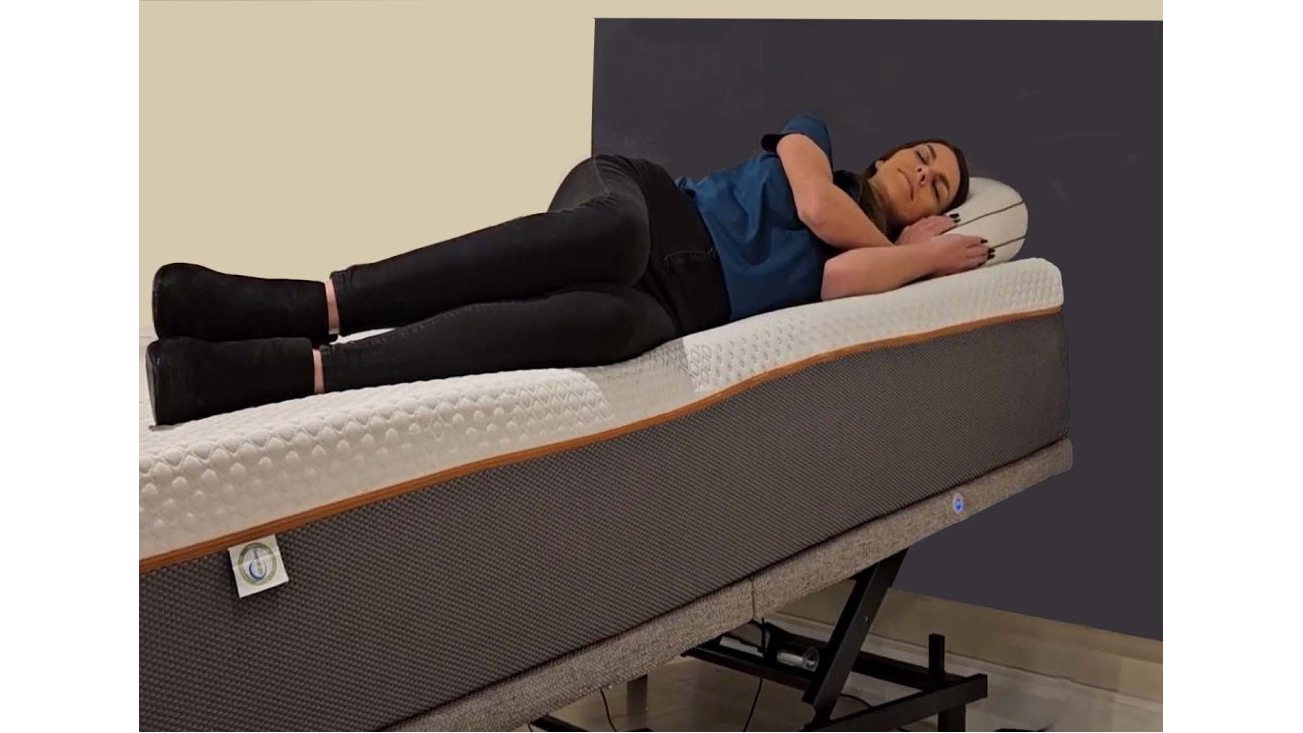
- Raising the upper body may help by keeping the tongue and soft tissues from collapsing into the airway, though it works differently from a bulky neck pillow.
- A permanent 6-inch head-to-foot slope on a mattress foundation equals about a 4-degree incline, which is one gentle starting point worth considering.
- Loud snoring paired with gasping, choking, or breathing pauses during sleep is a signal worth discussing with a healthcare provider.
- What separates a simple foam wedge from a fully adjustable base, and when each one makes more sense, is worth understanding before buying anything.
Snoring can feel like a small nuisance until it starts affecting sleep quality for an entire household. For many people who snore mainly on their backs, a surprisingly simple idea keeps coming up: raising the head of the bed. The logic traces back to basic physics and anatomy, and it is worth unpacking before trying it.
Snoring Linked to Back Sleeping
Snoring happens when airflow causes soft tissues in the throat to vibrate during sleep, producing the familiar rattling or rumbling sound. It is extremely common and usually harmless on its own, though chronic, loud snoring can sometimes point to an underlying sleep disorder such as sleep apnea.
"Back sleepers tend to snore more often and more loudly than people who sleep on their sides," says a spokesperson for Incline Sleep, an online resource for incline bed therapy. "Gravity plays the leading role here, as lying flat lets the lower jaw and tongue drift backward, narrowing the space air has to pass through."
The spokesperson added that overweight individuals and people of almost any age can experience this, but the connection between back sleeping and snoring appears repeatedly in medical guidance. "That's why so much snoring advice starts with a simple question about sleep position."
Why the Throat Narrows at Night
Understanding why the throat narrows in the first place makes it easier to see why elevation might help. Two separate issues tend to combine at night, and both can get worse the flatter someone lies.
The Tongue and Soft-Tissue Collapse
When lying flat on the back, the tongue can fall backward toward the throat, partially blocking the airway and forcing air to squeeze past vibrating tissue. The soft palate and throat muscles relax further during deeper stages of sleep, adding to the narrowing. Side sleeping or elevating the upper body can help keep the airway more open and prevent the tongue from blocking the back of the throat. This soft-tissue collapse is one of the main physical drivers behind snoring, especially in back sleepers.
Nasal Congestion Adds to the Problem
A stuffy nose compounds the issue. Congestion from allergies, colds, or sinus irritation can force a person to breathe more through the mouth, increasing the vibration and noise associated with snoring. When nasal passages stay blocked overnight, the body works harder to pull air through a narrower path, and snoring can grow louder and more persistent. Addressing congestion, whether through saline rinses, allergy management, or positioning that helps drainage, often goes hand in hand with addressing sleep position.
How Gentle Elevation May Help
Raising the upper body shifts the mechanics just enough to change how air moves through the throat and nose. Several related effects are worth understanding individually.
Keeping the Airway Clearer
Elevating the head and upper body may help prevent the tongue and soft tissues from collapsing into the airway by changing how gravity acts on those tissues. Instead of settling straight back into the throat, they may be better positioned to keep the airway open. Head-and-trunk elevation may reduce upper-airway collapse, although prolonged or excessive elevation can become uncomfortable. Gentler angles tend to work better as a starting point.
Easier Diaphragm Movement
Elevating the chest may make it easier for the lungs to expand by reducing the effects of lying flat on the body's breathing mechanics. Smoother diaphragm movement can support more comfortable breathing throughout the night. This effect works alongside the potential airway benefits rather than replacing them, so the overall goal is to encourage easier breathing at both the throat and the chest.
What a 4-Degree Incline Looks Like
A little math helps make the idea concrete. A 6-inch rise from the head of the bed to the foot creates roughly a 4-degree incline, a gentle enough angle that it should not feel like sleeping on a ramp. Raising the head of the bed by about 4 inches may also help reduce snoring. Meaningful elevation does not require anything dramatic: a few inches at the head, applied consistently across the mattress foundation rather than just under the pillow, is a reasonable starting point.
Ways to Try Sleeping Inclined
There is more than one way to experiment with elevation, and the right starting point depends on budget, bed setup, and how committed someone is to testing the idea long term.
Bed Risers and Wedges as Starting Points
Bed risers placed under the headboard legs are the least expensive way to try elevation, though they do not suit every bed frame or mattress type. A foam mattress wedge is another option, letting someone test the feel of inclined sleeping across the upper body before committing to a more adjustable setup. For those who find the angle helpful, a mattress foundation built at a permanent slope or a fully adjustable base may be worth considering.
Why a Wedge Pillow Differs From a Neck Pillow
It helps to distinguish a true wedge from a stack of regular pillows under the head. Extra pillows that bend the neck forward do not lift the upper body as a whole, and snoring may continue because the throat can still kink at an awkward angle even while the head sits higher. A wedge, or a bed frame raised evenly, lifts the head and upper body together, keeping the neck in a more natural line while allowing gravity to help.
When Snoring Signals Something More
Elevation is a comfort-focused strategy, not a diagnostic tool, so it helps to know what symptoms call for a closer look from a medical professional.
Warning Signs Like Pauses or Gasping
Loud snoring combined with witnessed breathing pauses, gasping, or choking during sleep is a reason to consult a healthcare provider. Excessive daytime sleepiness alongside these symptoms adds another reason to seek an evaluation, since these patterns can point toward obstructive sleep apnea rather than ordinary snoring.
Position Changes Are Not a Cure for Sleep Apnea
Side sleeping and elevation may make obstructive sleep apnea milder for some people, but changing position does not resolve the condition. Positional therapy may be a secondary or additional treatment option when breathing disturbances are measurably lower in positions other than lying on the back, rather than a replacement for a full evaluation. For mild cases, side sleeping or semi-propped positioning may be reasonable lifestyle adjustments, while moderate or severe cases typically call for treatments such as CPAP. Anyone with persistent, loud snoring and these additional symptoms should treat elevation as a comfort measure to discuss alongside, not instead of, proper medical care.
Elevation Eases, Not Erases, Snoring
Gentle elevation works with gravity to help keep the tongue and soft tissues better positioned during sleep. It may improve comfort and reduce snoring for some people, particularly back sleepers, but it is not a medical treatment for underlying sleep disorders. Pairing a modest incline with attention to nasal congestion, sleep position, and overall health habits provides a reasonable way to start.
For anyone ready to experiment, trying a wedge pillow for snoring before investing in a fully adjustable bed is a practical first step worth considering.
Incline Sleep
City: Glendale
Address: 4439 W Greenway Rd
Website: https://inclinesleep.com


Comments
Post a Comment