Do You Need Pest Control For Silverfish? Greensboro, NC Experts Share Insights
Key Takeaways
- Silverfish often hide in walls, closets, attics, and other hard-to-reach spaces, so locating harborages is a key part of professional treatment
- A technician typically inspects moisture-prone areas, hidden spaces, activity signs, and entry points before deciding on a treatment plan
- Silverfish generally do not feed readily on bait formulations, unlike many other household pests, so baits alone tend to leave the population largely untouched
- Lasting control pairs targeted treatment with moisture reduction, sanitation, and sealing entry points, a combination worth understanding before the section on what a treatment visit costs
- Vacuuming and natural remedies like diatomaceous earth may offer short-term relief but rarely clear an established infestation on their own
Seeing a silverfish dart across a bathroom floor or scurry out from under a stack of old magazines is unsettling, but it also raises a bigger question: how many more are hiding where no one can see them? These small, silvery insects are built for staying hidden, which is exactly why a professional visit looks different from a quick spray under the sink.
According to the Greensboro, NC pest control experts at Connor’s Pest Pros, effective silverfish control starts with identifying where the insects are hiding and what conditions allow them to thrive. The company recommends addressing excess moisture and potential entry points alongside professional pest treatments, as eliminating visible insects alone may not resolve the underlying infestation.
Why Silverfish Are Hard to Spot
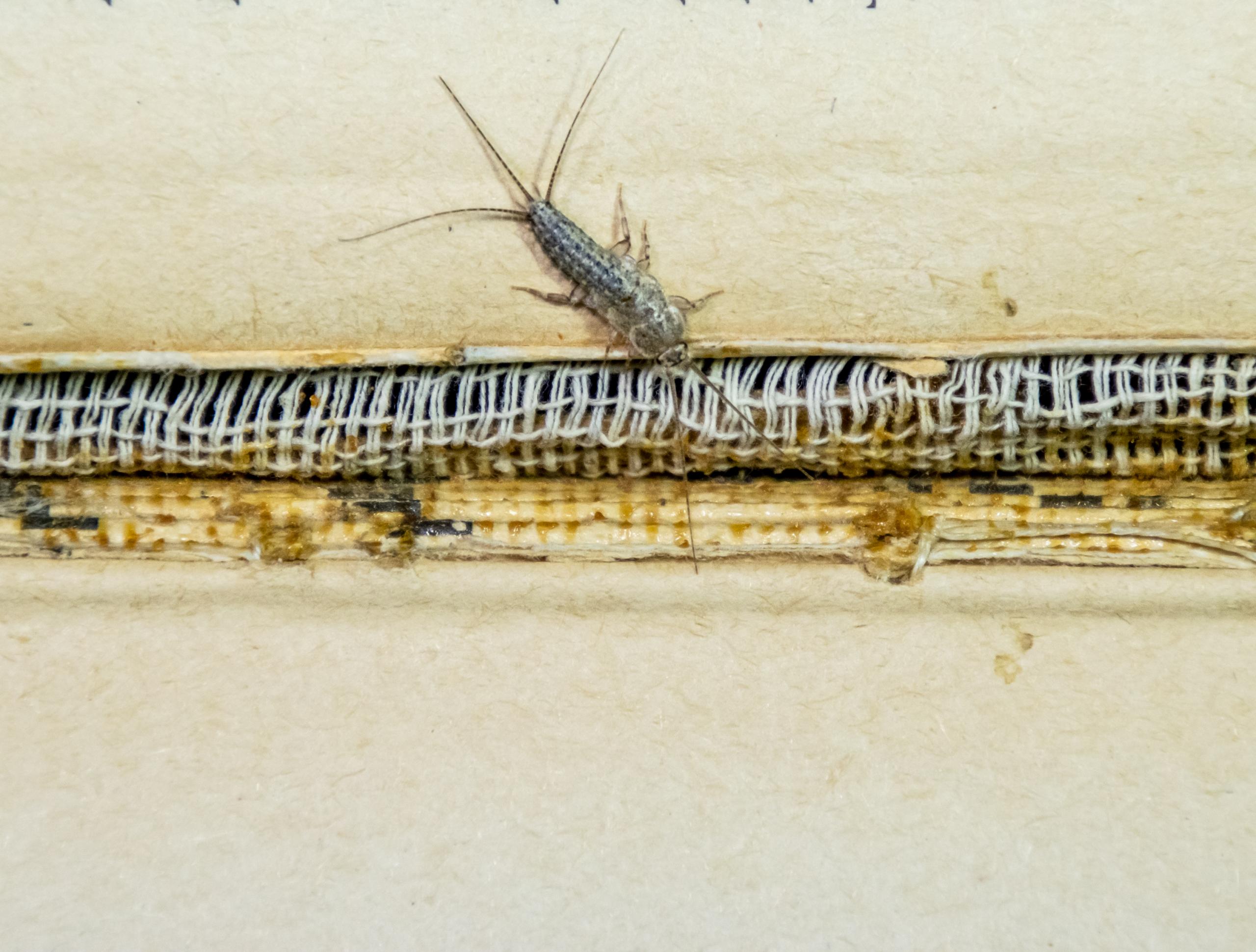
Silverfish are nocturnal insects with flattened, teardrop-shaped bodies that let them squeeze into narrow gaps most homeowners never think to check. They favor dark, undisturbed places, which means a kitchen or bathroom sighting at night is often just a glimpse of a much larger population living inside walls, closets, attics, and other hard-to-reach spaces.
This hide-and-seek behavior is the main reason silverfish infestations tend to linger. A homeowner might treat the one spot they saw activity, only to have the insects reappear weeks later because the real harborage, often tucked into a wall void or stacked boxes, was never addressed. Understanding this pattern is the first step toward grasping why professional treatment starts with investigation rather than immediate spraying.
Because silverfish can survive for long stretches without feeding, a home can host an active population for months before anyone notices consistent evidence. That slow build is part of what makes a structured, professional approach more reliable than reacting to a single sighting.
Inspecting for Hiding Spots
Before any product goes down, a thorough inspection traces where silverfish have been active, notes moisture and clutter conditions, and checks the areas most likely to shelter them. This step shapes everything that follows, since treating the wrong location wastes time and leaves the real source untouched.
Checking Moisture-Prone and Hidden Areas
Silverfish gravitate toward damp, humid conditions, so a technician typically starts in basements, attics, attached garages, bathrooms, and laundry rooms. These spaces combine the moisture and quiet darkness silverfish prefer, making them common staging grounds for a larger infestation. Inspection also extends to hidden areas within those rooms, such as behind stored boxes, inside wall voids near plumbing, and underneath appliances where spills or condensation might collect.
Tracing Activity and Entry Points
Alongside the physical inspection, a technician often asks the homeowner where sightings have occurred and how long the activity has been going on. This conversation helps narrow down likely harborage sites before any tools come out. The inspection then moves outward to identify entry points, cracks around siding, gaps near pipes and conduits, and other small openings where silverfish could be slipping indoors from exterior mulch beds or damp soil.
Targeted Treatments, Inside and Out
Once the inspection identifies where silverfish are active and how they are getting in, treatment can be matched to those specific conditions rather than applied broadly across the home.
Perimeter and Granular Applications Outdoors
Liquid treatments may be applied around the exterior perimeter, focusing on foundation walls, entry points, and other moisture-prone zones where silverfish tend to travel. This creates a line of defense before the insects ever reach the interior. Granular treatments complement this approach by targeting exterior soil and mulch beds, areas that often stay damp and serve as outdoor harborages where silverfish originate before working their way toward a house.
Spot Treatments and Dusts Indoors
Indoors, treatment tends to be far more precise. Spot treatments are applied directly to areas where activity has been confirmed, such as:
- Behind appliances like refrigerators, dishwashers, and washing machines
- Around plumbing penetrations under sinks or in utility areas
- Inside closets, especially those used for paper or fabric storage
- Along baseboards where silverfish travel between hiding spots
Dust formulations are often worked into cracks, crevices, and wall voids rather than spread across open surfaces. A thin, even layer is more effective than a heavy application, since dust applied too thick can actually make a surface slippery and less likely to be picked up by the insect as it moves through.
Why Baits Fall Short on Silverfish
Bait stations work well for many household pests, but silverfish are an exception. These insects generally do not feed readily on bait formulations, which means relying on baits alone tends to leave the underlying population largely untouched. Targeted sprays and dusts, directed precisely at known harborage and travel areas, address this gap by reaching the insects where bait cannot.
Cutting Off Moisture and Food
Treatment addresses the insects already present, but lasting results depend on removing the conditions that attracted them in the first place.
Sealing Cracks and Entry Points
Sealing gaps around pipes, conduits, siding, and foundation cracks closes off both entry points and potential hiding spots. This step connects directly to the exterior inspection, since the same openings identified during the walkthrough are the ones that benefit most from caulk, foam, or other sealing materials. A sealed exterior also reinforces any perimeter treatment already applied, since silverfish have fewer paths to bypass it.
Sanitation and Storage Habits That Help
Reducing humidity with a dehumidifier, fixing leaking pipes, and improving ventilation in basements and bathrooms all remove the damp conditions silverfish rely on. Storing paper goods, cardboard, and grains in sealed plastic containers instead of open boxes cuts off a major food source, since silverfish feed on paper, glue, starches, and fabric fibers. Regular cleaning and decluttering in storage areas round out this part of the plan, giving silverfish fewer places to settle even if a few insects are missed during treatment.
Why DIY Fixes Fall Short
Vacuuming up visible silverfish can offer a temporary sense of relief and does remove some insects from sight. It does nothing, however, to address the eggs and insects hidden deeper in wall voids or storage areas, so activity tends to resume once the obvious offenders are gone. Natural methods such as diatomaceous earth or essential oils fall into a similar category, offering some short-term effect without reaching the established colony driving the infestation.
DIY approaches tend to treat symptoms rather than the source. Silverfish thrive specifically because moisture and hidden breeding sites go unaddressed, and a spray bottle or home remedy cannot seal a foundation crack or dry out a damp crawlspace. Combining chemical control with moisture correction, sanitation, and exclusion addresses the problem from multiple angles instead of chasing visible insects one at a time.
Monitoring After Treatment
Treatment is rarely a single visit and done. Sticky monitoring stations are often placed in previously active areas to capture any remaining insects and track whether activity has slowed following treatment. This gives both the technician and the homeowner a clear, visual way to confirm progress rather than guessing based on occasional sightings.
Monitoring also helps catch early signs of a rebound. If moisture conditions change, say, a new leak develops, or storage habits slip back toward clutter, monitoring stations can flag renewed activity before it grows into a full infestation again. This feedback loop is part of why a structured treatment plan tends to outperform a one-time application.
What Determines Treatment Cost
Silverfish treatment cost varies with the size of the infestation, the level of moisture or structural conditions contributing to it, and the specific areas that require treatment. A small, contained problem limited to one bathroom looks very different, in both scope and cost, from an infestation spread across a damp basement and an attached garage.
Because these factors vary so much from home to home, an accurate figure typically requires an inspection rather than a flat estimate. The same inspection process described earlier, checking moisture levels, tracing activity, and identifying entry points, is what allows a technician to scope the job accurately before quoting a price.
Lasting Control Needs More Than Spray
Silverfish infestations respond best to a layered approach: careful inspection to find where the insects are hiding, targeted treatment matched to those specific locations, and follow-up steps like moisture reduction, sealed storage, and exclusion work to keep them from coming back. Skipping any one of these pieces tends to leave an opening for activity to resume.
For homeowners weighing next steps after spotting silverfish indoors, understanding this full process makes it easier to know what to expect from a professional visit and why a single spray treatment rarely solves the problem on its own. For a closer look at what a silverfish exterminator visit typically involves from start to finish, reaching out to a licensed pest management provider like Connor's Pest Pros is a practical place to start.
Connor's Pest Pros
City: Springfield
Address: 5410 Port Royal Rd
Website: https://connorspestpros.com/contact/


Comments
Post a Comment