Cornices and Valances for Lenexa Homes: Comparing Style, Function, and Fit
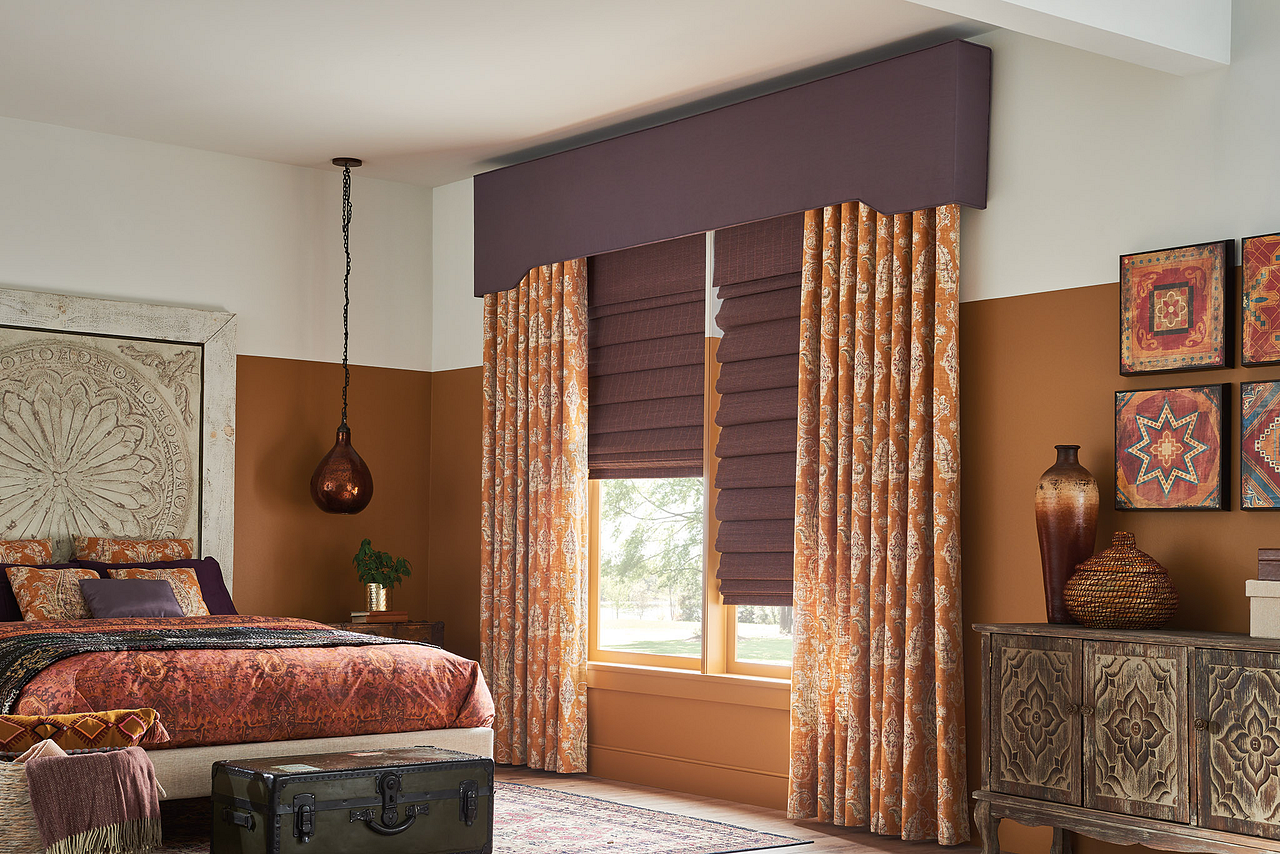
Window top treatments sit at the upper edge of a window, covering the space where drapery hardware meets the wall. For Lenexa homeowners updating a room, the two most common options are the cornice and the valance. According to Inside Solutions, a window treatment provider serving Lenexa and the wider Johnson County area, cornices give a window a more tailored, architectural look, while valances bring a softer, more casual feel, and the two can be combined for a layered design.
What Sets a Cornice Apart from a Valance
A cornice is a rigid board, usually wood, that is padded and covered in fabric. It mounts above the window and forms a box-like frame with clean, straight edges. A valance is made entirely of fabric. It hangs or drapes across the top of the window without a rigid frame, so its shape depends on how the fabric is gathered, pleated, or folded.
The difference in construction shapes everything else. A cornice holds its form regardless of the fabric used, while a valance takes on the character of its material.
Comparing the Visual Effect
Cornices create a tailored, architectural look. Their crisp lines suit rooms where structure matters, such as formal dining areas, studies, and living rooms with clean contemporary furnishings. Upholstered versions also work in traditional interiors when paired with patterned fabrics or decorative trim.
Valances read as softer and more relaxed. Gathered, pleated, or scalloped styles add movement and texture, which suits kitchens, bedrooms, and casual living spaces. A valance can also introduce a fabric that carries through a room on accessories such as pillows or upholstered seating, tying the space together.
Neither option is limited to one decorating style. Modern, transitional, and traditional versions of both are widely available, so the choice usually comes down to whether a room calls for structure or softness.
How Each Option Performs
Both top treatments conceal curtain rods, brackets, and the top edge of shades or blinds. Beyond hiding hardware, the two differ in practical performance.
A cornice can contribute to energy efficiency. When drapery hangs below an open top, warm room air can circulate down behind the panels and cool against the glass. A closed-top cornice limits that air movement, and the U.S. Department of Energy recommends installing a cornice above drapery as part of a sealed setup to reduce heat loss. For homes that face hot summers and cold winters, this added function can matter as much as appearance.
A valance offers less insulating value because fabric alone does not block airflow at the top of a window. Its strength lies in flexibility. Valances are lighter, easier to change seasonally, and can be used alone on windows that need little privacy, such as those above a kitchen sink.
Finding the Right Fit for the Room
Proportion plays a major role in the decision. A cornice mounted above the window frame draws the eye upward and can make ceilings appear higher. It can also balance windows that look too narrow or too short for a wall.
Valances work well on windows with limited space above the frame, since they require less depth and can sit closer to the casing. Unusually shaped windows may suit either option, though both should be measured and built to fit rather than bought in stock sizes.
Fabric weight matters as well. Heavier fabrics give cornices durability and a more substantial look, while lighter fabrics give valances a softer drape. Room lighting also affects how a fabric’s color and pattern appear on a top treatment.
Using Cornices and Valances Together
The two are not mutually exclusive. A valance layered beneath or within a cornice combines structured lines with soft texture, adding depth to larger windows. Pairing either one with side panels or full drapery creates a complete window treatment from top to floor.
Matching the Top Treatment to How a Room Is Used
Rooms that need insulation, formality, or architectural definition tend to benefit from a cornice. Rooms that call for a lighter, more casual finish often suit a valance. Window size, ceiling height, and seasonal comfort all deserve consideration before settling on either option. Homeowners comparing fabrics, styles, and layering options can visit Inside Solutions for further information on both top treatments.
Inside Solutions, LLC.
City: Overland Park
Address: Overland Park
Website: https://www.insidesolutionsllc.com


Comments
Post a Comment