Can Endometriosis Surgery Affect Fertility? Role of Robotic Excision Explored
Key Takeaways
- Endometriosis excision surgery works by removing inflamed tissue and scarring that can block eggs from reaching the uterus, which may improve the odds of pregnancy for women struggling to conceive.
- Spontaneous conception chances after excision, without assisted reproductive technology, vary widely by disease stage, from roughly 80-85% for mild cases down to 50-60% for the most advanced stages.
- Robotic-assisted cystectomy is associated with reduced inadvertent removal of ovarian cortex during lesion removal, though follicle-based specimen measurements have not consistently differed between robotic and traditional approaches.
- The Endometriosis Fertility Index helps surgeons estimate a patient's natural conception chances after surgery and decide when assisted reproductive technology should be considered sooner rather than later.
- Timing matters: egg freezing before ovarian surgery and choosing a surgeon with advanced excision training are both discussed as ways to protect future fertility.
Trying to conceive while living with endometriosis can feel like running a race with an invisible obstacle course. For many women, the question is not just whether surgery helps with pain, but whether it can actually move the needle on getting pregnant. The short answer is that it often can, and robotic excision surgery has become one of the more promising paths toward that goal.
Lotus Endometriosis Institute approaches this surgery as one part of a broader fertility conversation, since the decisions made in the operating room can shape outcomes for months or years afterward.
How Endometriosis Blocks Conception
Endometriosis causes tissue that resembles the uterine lining to grow in places it does not belong, such as the ovaries, fallopian tubes, or the lining of the pelvis. As this tissue responds to the monthly hormone cycle, it triggers inflammation, irritation, and scarring that can physically block the path an egg needs to travel from the ovary to the uterus. Over time, this scarring can tether the ovaries, fallopian tubes, and bowel together, distorting the normal anatomy needed for conception.
Beyond the physical blockages, endometriosis creates a chemically hostile environment inside the pelvis. Inflammation from the disease releases molecules called cytokines, which can interfere with both sperm and egg function, making fertilization harder even when the reproductive organs appear structurally intact. This combination of mechanical and chemical disruption helps explain why a substantial share of women dealing with infertility also have endometriosis. Understanding this dual impact is the first step toward seeing why removing the disease source, rather than just managing symptoms, can matter so much for fertility planning.
Why Excision Surgery Can Improve Fertility
Removing Lesions and Reducing Inflammation
Excision surgery aims to cut out endometriosis lesions entirely, down to healthy tissue beneath the surface, rather than simply cauterizing the surface and hoping the damage underneath resolves on its own. This distinction matters for fertility because lingering inflammation and scar tissue can continue to interfere with egg release and fallopian tube function even after surface treatment. By removing the disease more completely, excision can calm the inflammatory environment, free up organs that have become tethered by adhesions, and restore more normal pelvic anatomy.
For patients trying to conceive, excision may be recommended specifically to improve pelvic anatomy and reduce inflammatory burden, particularly when endometriosis is suspected to be contributing to infertility.
Who Is a Candidate for Surgery
Not every person with endometriosis needs surgery to improve fertility, but certain signs point toward it being a worthwhile option. Candidates often include those with:
- Persistent or worsening pelvic pain alongside difficulty conceiving, despite trying medical therapy
- Imaging findings suggesting endometriomas, deep infiltrating disease, or significant adhesions
- Infertility with no other clear explanation, where endometriosis is suspected as a contributing factor
- A desire to pursue natural conception before moving to assisted reproductive technology
Because fertility goals directly shape how a surgeon approaches the operation, it helps to discuss timelines and priorities, such as whether pregnancy is being attempted now or planned for later, before scheduling surgery.
Pregnancy Rates After Excision Surgery
Outcomes by Disease Stage
Spontaneous conception outcomes after excision surgery, meaning pregnancy achieved without assisted reproductive technology, tend to track closely with how advanced the disease is at the time of treatment. Research on operative laparoscopy for minimal to mild endometriosis, classified as stage I or II, has shown increased spontaneous pregnancy rates within the first year after surgery compared to diagnostic laparoscopy alone. Reported spontaneous conception rates following excision break down roughly as follows across disease stages:
- Stage I-II: conception chances between 80% and 85%, nearly matching rates seen in women without endometriosis
- Stage III: conception chances between 70% and 75%
- Stage IV: conception chances between 50% and 60%
These numbers offer useful guideposts, but individual results depend on age, how long infertility has lasted, and whether other fertility factors are involved. One study following women with deep infiltrating endometriosis found a postoperative pregnancy rate of 61.8%, with close to a third of those pregnancies achieved through IVF rather than naturally. Interestingly, some research has found that younger age was more strongly linked to pregnancy success than the stage of endometriosis itself, suggesting that timing surgery sooner rather than later may carry real weight.
Deep Disease and the Endometriosis Fertility Index
Deep endometriosis, especially when it involves the bowel, tends to present a tougher fertility picture, and surgical planning for these cases often benefits from a team approach involving multiple surgical specialists. For many patients, surgery and fertility treatment work together rather than as competing options. To help guide these decisions, surgeons often use a scoring system called the Endometriosis Fertility Index, which estimates the likelihood of spontaneous pregnancy after surgical treatment. This index can help identify which patients are good candidates for trying to conceive naturally after surgery and which may benefit from an earlier referral to assisted reproductive technology.
Why Robotic Precision Protects Ovarian Reserve
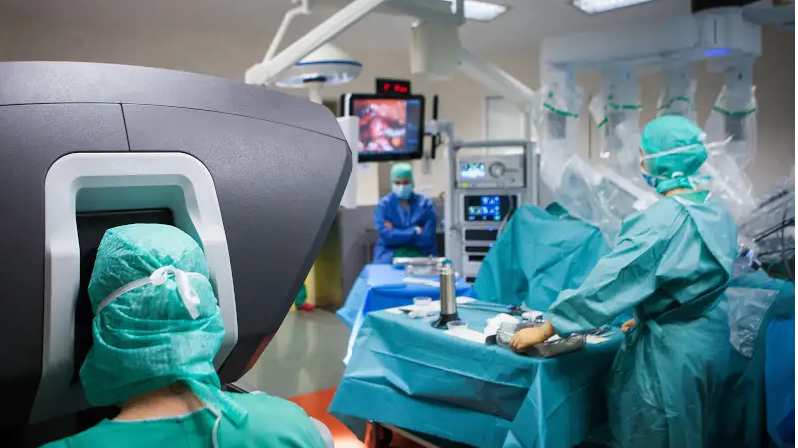
One of the biggest fertility concerns during endometriosis surgery is protecting the ovaries, particularly when removing endometriomas, which are ovarian cysts formed by endometrial tissue. Robotic-assisted surgery provides a three-dimensional, magnified view of the pelvis along with instruments that allow for finer, steadier movements than traditional laparoscopy. Robotic-assisted cystectomy has been associated with reduced inadvertent removal of healthy ovarian cortex during cyst removal, although measurements of follicle counts in the removed tissue have not consistently differed between robotic and traditional surgical approaches.
Because the ovary contains a limited reserve of eggs, removing a cyst without damaging the surrounding healthy tissue is a delicate balancing act. Robotic systems give surgeons increased dexterity in the small working space of the pelvis, which may help reduce unintentional damage to nearby structures while still allowing for thorough removal of the endometrioma. For women hoping to preserve their fertility long after surgery, this kind of careful, tissue-sparing approach can matter as much as how completely the disease is removed.
Planning Surgery Around Fertility Goals
Timing, Egg Freezing, and Surgeon Expertise
Fertility planning around endometriosis surgery works best when it starts before the operation. Egg freezing, when it is a consideration, tends to be most effective before ovarian surgery takes place, since egg quantity and quality are generally at their highest before any surgical intervention on the ovaries. This makes an early conversation about fertility preservation options worth having during the initial surgical consultation, especially for women who may want more time before trying to conceive.
Surgeon experience plays an outsized role in how well fertility is protected during excision surgery. Endometriosis lesions can be subtle, deeply hidden, or located close to delicate structures such as the ureters, bowel, and ovarian tissue. A surgeon with advanced excision training is more likely to recognize the full extent of disease, remove it thoroughly, and still protect the organs and tissue needed for future fertility. Many patients look for a center focused specifically on endometriosis care rather than general gynecologic surgery, since balancing disease removal against fertility preservation takes specialized judgment and practice.
Surgery Can Meaningfully Improve Fertility Odds
Endometriosis surgery, especially when performed with robotic excision, provides a real and evidence-supported path toward improved fertility for many women facing this disease. The benefits come from removing disease-driving inflammation and scar tissue, restoring more normal pelvic anatomy, and doing so with a level of precision aimed at protecting the ovarian tissue needed for conception. Pregnancy rates vary by disease stage, and deep or complex disease may call for combining surgery with fertility treatment rather than relying on surgery alone, but the overall picture supports surgery as a meaningful tool rather than a last resort.
Every fertility experience with endometriosis looks a little different, shaped by disease stage, age, and personal timelines. For those weighing surgery as part of a fertility plan, advanced excision surgery options with a specialist can help clarify what outcomes might realistically look like for an individual situation.
Lotus Endometriosis Institute
City: Arroyo Grande
Address: 154 Traffic Way
Website: https://lotusendo.com


Comments
Post a Comment