Best Sleeping Position For Blood Circulation: Why Experts Suggest Bed Incline
Key Takeaways
- The best sleep position for circulation depends on the underlying cause: what helps venous swelling can worsen peripheral artery disease symptoms
- Leg elevation may support venous return and ease fluid pooling for some people, especially when paired with movement, hydration, and compression as appropriate
- Tracking symptoms, awakenings, and sleep position for 7 to 14 nights can reveal whether a position change is actually helping
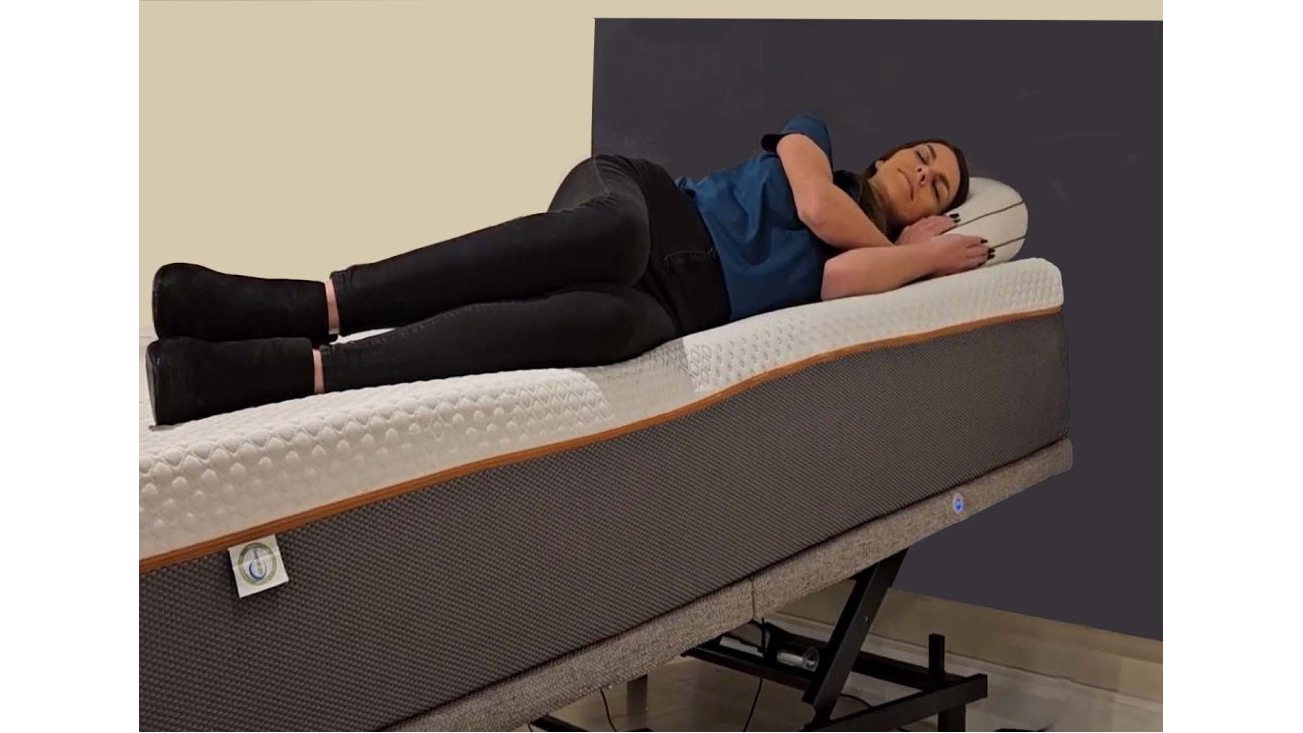
- Incline Sleep suggests that a gentle head-of-bed incline of about 4 to 7 degrees, with a neutral spine, is a common starting point for some circulation concerns
Nighttime leg discomfort has a way of turning a restful evening into a restless one, and it is tempting to try the first fix that sounds reasonable. Propping up the legs or raising the head of the bed both get recommended online, but these two approaches are not interchangeable. The right choice depends on what is causing the discomfort in the first place, and getting that wrong can make symptoms worse instead of better.
The Circulation Position That Fits Your Cause
Circulation problems during sleep generally fall into two very different categories: poor arterial blood flow, as seen in peripheral artery disease, and venous issues, like swelling from blood pooling in the lower legs. These two conditions respond to opposite strategies. Someone with venous swelling might feel real relief from raising the legs, while someone with significant arterial disease could find that same position makes their symptoms worse by further limiting blood flow to already struggling tissue.
A single answer does not hold up well across both conditions. A gentle, whole-body incline may support circulation for some sleepers, offering a starting point for people trying to figure out which direction makes sense for their situation. The sections ahead break down why cause matters so much, and how to set up either approach safely.
Why Position Depends on the Underlying Cause
Understanding the mechanics behind each condition makes it much easier to see why the same sleep position cannot serve everyone. Arterial and venous problems affect blood flow in nearly opposite ways, so the body's response to elevation differs depending on which system is struggling.
Peripheral Artery Disease: Why Legs Up Can Backfire
Peripheral artery disease, often shortened to PAD, involves narrowed arteries that already struggle to deliver enough blood to the legs and feet. Raising the legs above heart level can reduce blood flow even further in people with severe PAD, since gravity is no longer helping blood travel down to the limbs. For this reason, some people with severe PAD notice their rest pain eases when the legs are kept level or even dangling, though dangling the legs all night is not a safe or practical long-term sleep arrangement.
A more sustainable option some people with severe PAD try is lying on the back with the head of the bed slightly elevated while keeping the legs in a natural, lower position. This does not treat the underlying narrowing of the arteries, but it may offer modest comfort for some. Side-sleeping with a pillow between the knees is another option worth considering for comfort. Head elevation is generally not recommended for people who have both PAD and sleep apnea, so anyone managing both conditions should raise this with a doctor before changing their setup. People with mild or moderate PAD typically do not need to restrict their sleep position at all, since comfort and personal symptoms are the better guide in those cases.
Venous Swelling: When Leg Elevation Helps
Venous insufficiency and varicose veins work differently. Here, valves in the leg veins struggle to push blood back up toward the heart, and fluid tends to pool in the lower legs, especially after a long day of standing or sitting. Elevation may support venous return and reduce fluid pooling in the lower extremities for some people, particularly when paired with movement, hydration, and compression as appropriate.
A simple pillow or wedge placed under the knees while lying on the back can provide a gentle leg lift for many people managing venous swelling. If this setup starts to feel uncomfortable or strains the knees or hips, it is reasonable to stop or adjust the position rather than push through discomfort.
Setting Up a Gentle Head-of-Bed Incline
For those considering head elevation rather than leg elevation, a careful, gradual setup makes a noticeable difference in comfort and consistency.
Start at 4-5 Degrees and Keep the Spine Neutral
A gentle incline is often described as somewhere between 4 and 7 degrees, and starting on the lower end of that range, around 4 to 5 degrees, is a sensible way to test comfort before adjusting further. Keeping the spine neutral throughout the night matters just as much as the angle itself, since an awkward curve in the back can cause new aches that have nothing to do with circulation. Adjustments should happen gradually, and only if the lower incline feels genuinely comfortable after a few nights.
Tilt the Whole Bed, Not Just the Waist
When possible, it is better to incline the entire bed rather than bending sharply at the waist using a wedge pillow alone. A whole-bed incline distributes the elevation more evenly across the body, which tends to feel more natural over a full night of sleep compared to a sharp bend concentrated at the hips. This approach also reduces the chance of waking up with lower back stiffness from an unnatural sleeping curve.
Ease Lower Back Strain with Knee Support
If the lower back feels tight after trying a head-of-bed incline, adding support under the knees can relieve some of that tension. A small pillow or cushion placed beneath the knees helps keep the pelvis in a more neutral position, which in turn takes pressure off the lower spine. This small addition is often enough to make an incline feel sustainable night after night rather than something to abandon after a few uncomfortable mornings.
Elevating Legs Safely for Venous Swelling
Leg elevation sounds simple, but doing it in a way that is both effective and comfortable takes a little more thought than just stacking a few pillows.
Support Thighs, Calves, and Feet - Not Just Ankles
Proper leg elevation means supporting the thighs, calves, and feet together, rather than just propping up the ankles or feet alone. Letting the feet dangle off the edge of a wedge or pillow can create pressure points and strain at the knees. Keeping the knees slightly bent throughout the elevated position also helps reduce strain and makes the setup more comfortable to maintain for a longer stretch of time.
Short Sessions: 15-20 Minutes Before Bed
A short period of leg elevation often goes a long way. Spending 15 to 20 minutes with the legs elevated before bed, or during brief intervals through the night, may be enough for some people to notice a difference in swelling or heaviness. This approach also makes the habit easier to stick with, since it does not require sleeping in an elevated leg position for the entire night.
Testing Your Position for 7 to 14 Nights
One of the most practical pieces of advice for anyone trying a new sleep position is patience paired with observation. Committing to a change for 7 to 14 nights before deciding whether to adjust it gives the body enough time to settle into a new routine, rather than judging results after a single restless night.
A Simple Tracker for Symptoms and Awakenings
Keeping notes during this trial period turns a vague impression into something genuinely useful. A simple nightly tracker might record the incline used, sleep position, a symptom rating on a 0-10 scale, how many times sleep was interrupted, and any relevant notes about meals, alcohol, medications, or stress that night. Over a week or two, patterns tend to emerge that are much easier to spot on paper than to recall from memory alone.
- Incline used (in degrees or inches)
- Sleep position for the night (back or side)
- Symptom intensity, rated 0 to 10
- Number of awakenings
- Notes on meals, alcohol, medications, and stress
There's No One Right Position for Everyone
Circulation during sleep responds differently depending on what is actually causing the discomfort, which is why the same advice cannot apply to everyone dealing with nighttime leg symptoms. A gentle head-of-bed incline may offer comfort for some people with more severe arterial concerns, while leg elevation tends to suit venous swelling instead, and testing either approach carefully over a week or two is a reasonable way to see what actually helps.
For anyone ready to experiment safely, Incline Sleep has more resources detailing the potential benefits of gentle, whole-bed incline as a sensible first step toward better nighttime comfort.
Incline Sleep
City: Glendale
Address: 4439 W Greenway Rd
Website: https://inclinesleep.com


Comments
Post a Comment