What Are Compression Boots Used For? Types, Benefits & At-Home Recovery Uses
Key Takeaways
- Compression boots use intermittent pneumatic compression to squeeze the legs in a wave pattern, boosting circulation and lymphatic drainage after exercise
- Regular sessions can help clear metabolic waste like lactic acid, easing delayed-onset muscle soreness and speeding up next-day readiness
- Beyond sports recovery, the same technology helps prevent deep vein thrombosis in hospital patients and manages chronic conditions like lymphedema
- Choosing the right pair depends on compression level (mmHg), chamber count, fit, and portability - details worth understanding before buying
Compression boots have moved from physical therapy clinics into home gyms and living rooms, and the reasons become clear once the mechanics behind them are laid out plainly.
How Compression Boots Actually Work
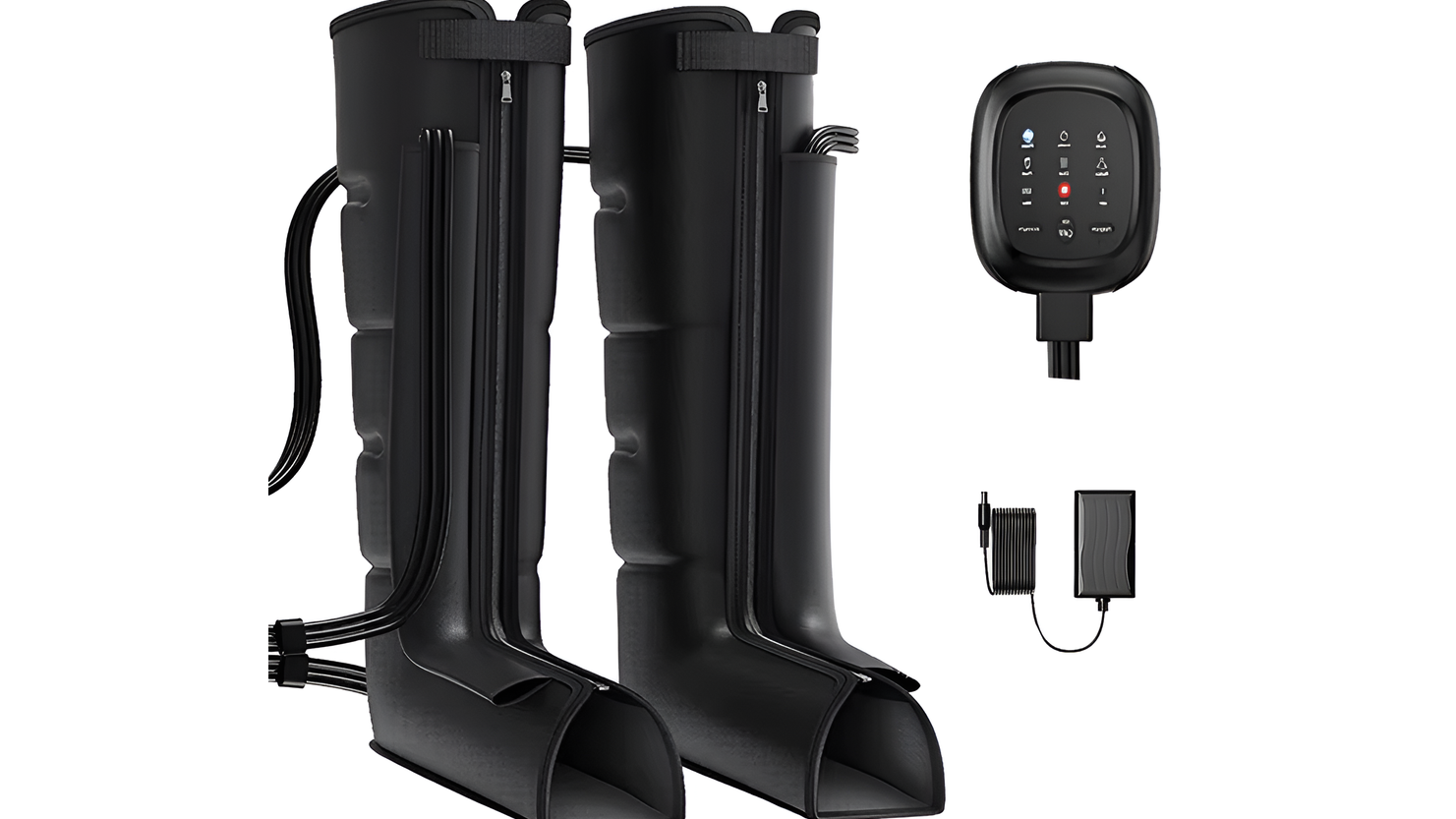
Compression boots are inflatable sleeves that wrap around the legs, usually running from the feet up to the thigh. Once switched on, they fill with air in a specific pattern, squeezing and releasing sections of the leg starting at the ankle and working upward. This method has a name: intermittent pneumatic compression, or IPC. The rhythmic squeezing mimics what leg muscles naturally do when walking or running, pushing blood and lymphatic fluid back toward the heart instead of letting it pool in the lower legs.
That pumping action matters because the body relies on muscle movement to keep circulation efficient. After a hard workout, or after sitting still for hours, that natural pump slows down. Compression boots recreate the motion mechanically, encouraging fluid to move even when the legs are resting. For athletes and fitness enthusiasts, that translates into a recovery tool that works while requiring almost no effort beyond lying back and letting the sleeves do their job.
Why Recovery Interest Is Surging
Recovery gear has become a bigger part of everyday fitness routines, and the numbers back that up. More than 250 million Americans took part in at least one sport, fitness, or leisure activity in 2025, according to the Sports & Fitness Industry Association's 2026 Topline Participation Report. That kind of widespread activity naturally creates demand for tools that help people bounce back faster and train again sooner.
As home workouts, recreational leagues, and weekend sports have grown more popular, so has interest in bringing recovery equipment out of professional training rooms and into personal spaces. Compression boots fit neatly into that shift because they require no special skill to use and can slot into an evening routine in front of the television. This growing appetite for at-home recovery solutions is part of why compression therapy has become a mainstream wellness purchase rather than a niche athletic tool.
Top Benefits for Athletes
Athletes and fitness enthusiasts reach for compression boots for a handful of clear, physical reasons. Each benefit connects back to the same underlying mechanism: better fluid movement through tired, stressed tissue.
Faster Muscle Recovery and Less Soreness
Intense exercise produces metabolic byproducts, including lactic acid, that build up in muscle tissue and contribute to that heavy, sore feeling the next day. Compression therapy helps clear these waste products more efficiently by encouraging fresh, oxygen-rich blood to flow through the muscles. This process can reduce the intensity of delayed-onset muscle soreness, often called DOMS, and help muscles feel more ready to perform again sooner.
Better Circulation and Lymphatic Drainage
Improved circulation means muscles and tissues get oxygen and nutrients delivered more efficiently, which supports the repair process after strenuous activity. Alongside blood flow, compression boots also promote lymphatic drainage. The lymphatic system carries away cellular waste and excess fluid, and it depends heavily on movement to function well. The sequential squeezing pattern of compression boots gives this system a helpful boost, particularly after a training session that leaves the legs feeling stiff or heavy.
Reduced Swelling and Inflammation
Hard training sessions and minor injuries often bring some degree of swelling as the body responds to stress or strain. Compression therapy addresses this directly by preventing fluid from pooling in the lower legs and feet. Reduced swelling generally comes with reduced inflammation, which can shorten the time it takes to feel normal again after a demanding workout.
Medical Uses Beyond Sports
Compression boots serve important roles in medical care too, particularly for people who cannot move around enough to keep their own circulation active. The same intermittent pneumatic compression technology used by athletes plays a meaningful part in that care.
Preventing Deep Vein Thrombosis
Hospitals commonly use IPC devices to prevent deep vein thrombosis, or DVT, a condition where blood clots form in deep veins, usually in the legs. Patients recovering from surgery, illness, or stroke often spend long stretches lying still, which raises the risk of clots forming. Compression devices keep blood moving through the legs during this immobile period, and they can serve as an alternative to blood thinners for certain individuals. Left untreated, these clots carry a risk of breaking loose and traveling to the lungs, causing a pulmonary embolism, so this preventive use carries real clinical weight.
Managing Lymphedema and Chronic Swelling
Beyond acute hospital care, compression boots also support the ongoing management of lymphedema, a condition marked by persistent swelling in the legs and feet due to lymphatic system dysfunction. People living with chronic pain sometimes find relief through compression therapy as well, since reducing swelling and encouraging tense muscles to relax can ease discomfort. Even those without a diagnosed condition, such as people who sit or stand for long hours at work, often reach for compression boots to counteract leg heaviness and stiffness by keeping circulation active throughout the day.
Choosing the Right Pair
Picking compression boots involves more than grabbing the first option that shows up in a search. A few technical details make a noticeable difference in comfort and effectiveness.
Compression Levels and Chamber Count
Compression intensity is measured in millimeters of mercury, or mmHg, and can range from around 20 mmHg on the gentle end up to roughly 250 mmHg for a much more intense squeeze. Beginners typically do better starting on the lower end of that range and adjusting upward as their body adapts. Chamber count matters just as much. Boots with more individual air chambers can produce a smoother, more physiologically accurate compression wave as it moves up the leg, which tends to translate into better fluid clearance and a more natural-feeling session compared to designs with fewer chambers.
Fit, Portability, and Customizable Modes
A snug, accurate fit ensures the compression pattern targets the right areas without gaps or excess bunching, so checking sizing charts carefully before buying is worth the extra few minutes. Portability has also become a bigger factor, and wireless compression boots have grown popular because they let users move around the house or even step outside during a session instead of staying tethered to an outlet. Many systems now include customizable settings, allowing adjustments to pressure levels and massage modes so the experience can suit sore calves after a run one day and tired feet after a long shift the next. Some advanced devices go a step further by combining cold therapy with mechanical compression, which can be especially useful for managing pain and swelling after orthopedic procedures. A few practical factors are worth weighing before buying:
- A reputable brand with a clear warranty and straightforward return policy
- Materials that are easy to wipe down or machine wash after regular use
- Boot length, since some cover only the calves while others extend to the hip
Getting the Most from Every Session
Consistency tends to matter more than intensity for compression therapy results. Many users find that daily sessions lasting 20 to 30 minutes produce the best results for reducing soreness and improving how the legs feel the next morning. Squeezing in a quick session right after a workout, while muscles are still warm, often produces noticeable benefits compared to waiting until much later in the day.
Compression boots also work best as part of a broader recovery routine rather than a standalone fix. Pairing sessions with foam rolling, regular massage therapy, and proper hydration rounds out a recovery approach that addresses muscles from multiple angles. Staying consistent with sleep and nutrition still plays a foundational role, since mechanical compression works best alongside those basics rather than in place of them.
Compression Boots Are a Proven Recovery Tool
From easing sore muscles after leg day to supporting patients recovering from surgery, compression boots serve a genuinely wide range of purposes. The underlying science, intermittent pneumatic compression, connects every one of these use cases: better blood flow, better lymphatic drainage, and less time spent dealing with swelling or stiffness. Athletes get faster turnaround between training sessions, desk workers get relief from heavy legs, and medical patients get a proven safeguard against dangerous blood clots.
Choosing the right pair comes down to matching compression levels, chamber count, and portability features to individual needs and goals. Starting with a lower compression setting and adjusting over time is generally the most practical approach for anyone new to the technology.
Wellnessgearstore.com
City: Las Vegas
Address: 5725 S. Valley View Blvd. Ste 5
Website: https://wellnessgearstore.com


Comments
Post a Comment