Water Filter vs. Water Softener: How to Choose the Right Fix for Cape Cod Homes
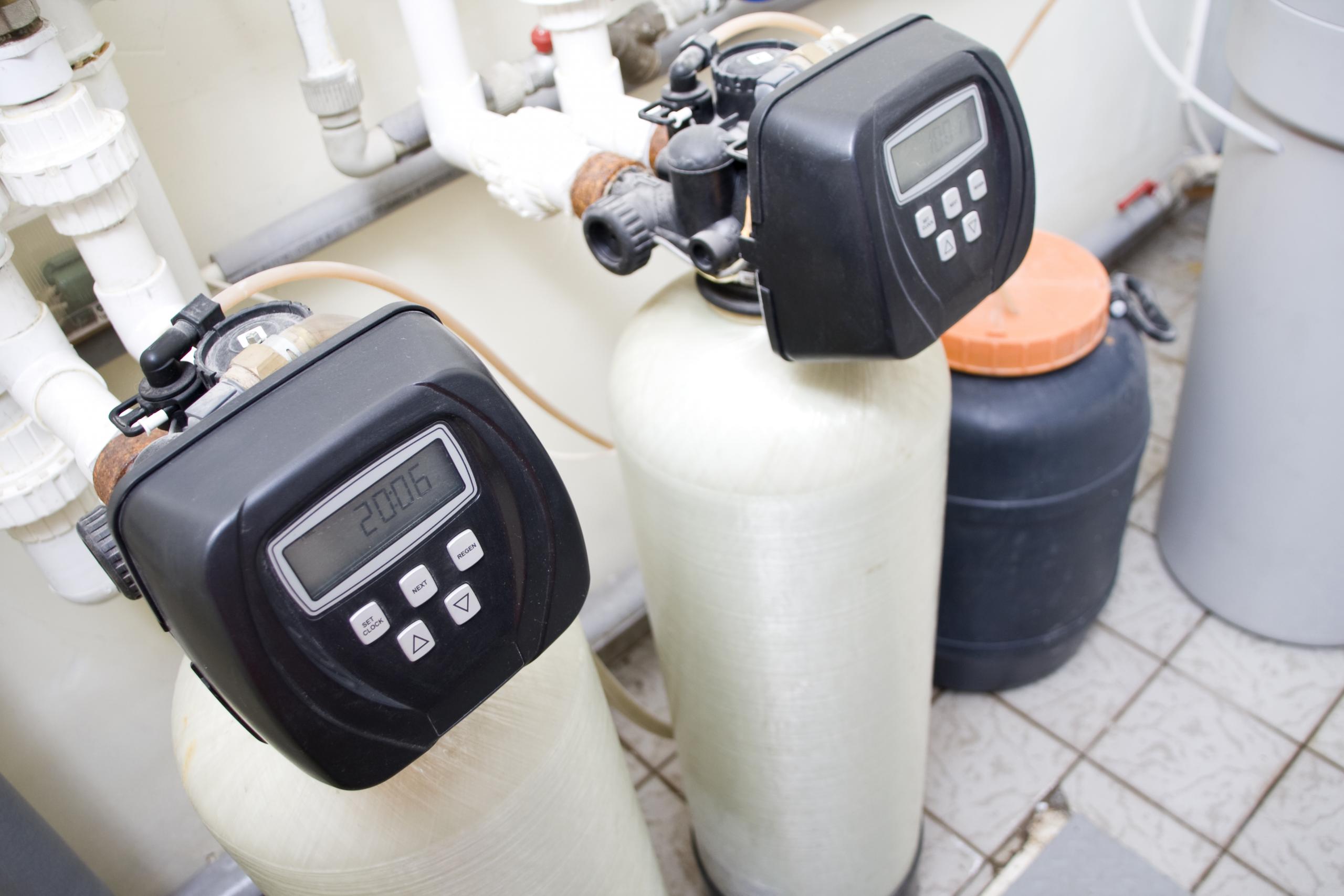
Many homeowners use the terms “water filter” and “water softener” interchangeably, but the two systems do different jobs. 8th Bend Plumbing, an expert plumbing and heating company serving clients in the Plymouth area, points to a common mistake: buying one system when the water needs the other, or both. Knowing what each one does makes the choice much clearer.
What a Water Softener Does
A water softener treats one problem: hardness. Hard water carries dissolved calcium and magnesium, picked up as groundwater moves through rock and soil. These minerals leave scale on faucets, showerheads, and the inside of pipes, and they stop soap from lathering well.
Most softeners use ion exchange. Water passes through a tank of resin beads that capture calcium and magnesium and release sodium in their place. When the beads are full, the system flushes them with a salt brine and starts again. Salt-free conditioners work differently. They change the structure of hardness minerals so they don’t form scale, but they don’t remove them, so they generally suit homes with lower hardness.
A softener does not remove significant iron, eliminate sulfur odors, kill bacteria, take out chlorine, or correct acidic water.
What a Water Filter Does
A water filter targets specific contaminants that affect taste, odor, appearance, or safety. Sediment filters catch sand and particles. Carbon filters reduce chlorine and improve taste and smell. Dedicated iron and manganese filters remove the metals that cause staining. Oxidizing filters or aeration systems treat hydrogen sulfide, acid neutralizers raise low pH, and tannin systems remove the organic compounds that tint water.
Two related systems often appear in the same treatment plan. UV units disinfect water by neutralizing bacteria and viruses, and reverse osmosis units sit under the kitchen sink to purify drinking water. Each type solves its own problem, so the right system depends on what is actually in the water.
Reading the Signs
Household clues often point to the right answer. White, chalky buildup, spotty glassware, stiff laundry, and soap that won’t lather all suggest hardness, which a softener handles. Other signs call for filtration:
- Orange or brown stains usually mean iron.
- Black stains suggest manganese.
- A rotten egg smell comes from hydrogen sulfide.
- A chlorine taste is common with treated town water.
- Blue-green stains around drains point to acidic water corroding copper pipes.
- Yellow or tea-colored water usually means tannins.
Why Many Homes Need Both
On Cape Cod, sandy glacial soils give many private wells high iron, manganese, and hardness at the same time. Town water is treated before delivery, but it can still carry chlorine and hardness minerals. In both cases, one device rarely covers everything.
The order of treatment matters too. Iron fouls a softener’s resin beads quickly, reducing its effectiveness and shortening its life, so iron is usually filtered out first. A common well water sequence runs from a sediment filter to an iron filter, then a softener, with UV disinfection added if bacteria is present. Homes on town water often pair carbon filtration with a softener.
Testing Comes Before Equipment
A water test removes the guesswork. It measures hardness and shows whether iron, manganese, sulfur, bacteria, or low pH are present. Private well owners are responsible for their own water quality, and annual testing for bacteria, nitrates, and pH is widely recommended. Test results also guide sizing. A softener that is too small regenerates too often, and one that is too large wastes salt and water.
Planning for Upkeep and Long-Term Performance
Every system needs maintenance. Salt-based softeners need regular salt refills, and their resin may need replacing after many years of use. Filter media and cartridges are replaced on schedules that depend on water quality and household use. A properly sized and maintained softener typically lasts 15 to 20 years, and filtration systems can perform for a decade or more. Choosing equipment that fits the water from the start avoids paying twice.
Cape Cod residents who want to compare softener types, filtration options, or well water treatment in more detail can find further information at 8th Bend Plumbing.
8th Bend Plumbing Heating and Cooling
City: Plymouth
Address: 118 Long Pond Rd Unit J
Website: https://8thbendplumbing.com/
Phone: +1 508 684 2436
Email: info@8thbendplumbing.com


Comments
Post a Comment