Sports Injury Recovery: Mumbles Pros on How Personal Training Helps
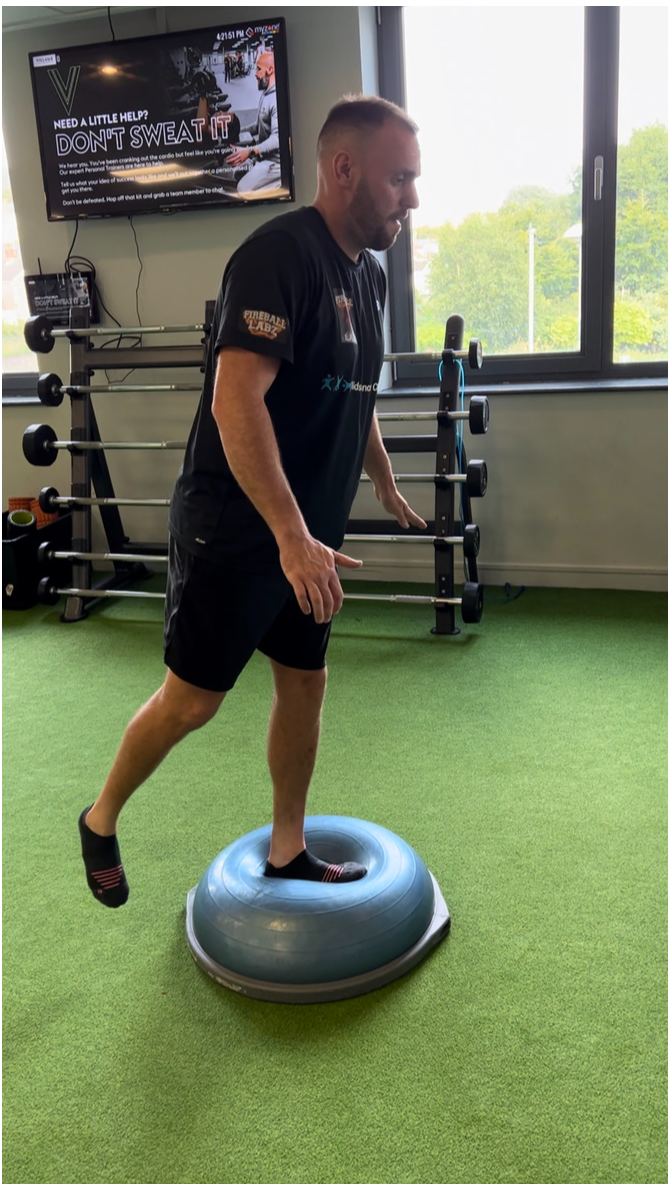
Recovering from a sports injury rarely ends the moment formal treatment stops. Many athletes find themselves in an uncertain middle ground: cleared by a physiotherapist or clinician, but not quite confident enough to return to their previous training routine. This is often where personal training becomes valuable, offering structured, supervised support during a stage of recovery that is frequently overlooked.
Why the Gap After Rehab Matters
Clinical rehabilitation typically focuses on healing the injury itself: reducing pain, restoring basic movement, and confirming that tissue has recovered enough to bear normal loads. Once that stage is complete, athletes are often left to manage the return to full activity on their own. This transition period carries real risk.
Movement patterns can change after an injury, sometimes without the athlete noticing, and returning too quickly to previous training intensity can lead to compensation injuries elsewhere in the body. Personal training fills this gap by providing continued, individualised guidance during a period when generic advice often falls short.
Rebuilding Strength With Structure
One of the main contributions personal training makes to injury recovery is structure. Rather than resuming an old routine and hoping for the best, a trainer can reintroduce exercises gradually, adjusting intensity based on how the body responds.
Experts from Swansea Strength & Conditioning, Mumbles, explain that this typically starts with foundational movements that rebuild strength and control in the affected area, before progressing toward more demanding, sport-specific patterns. This staged approach reduces the likelihood of setbacks and allows athletes to track meaningful progress rather than guessing at their own readiness.
Correcting Movement Patterns
Injuries often leave behind subtle compensations. An athlete may unconsciously favour one side of the body, alter their gait, or avoid certain ranges of motion long after the pain has subsided. Left unaddressed, these patterns can lead to secondary injuries that have little to do with the original problem.
Personal trainers are well positioned to spot these issues during sessions, since they observe movement closely and repeatedly over time. Correcting these patterns early, before they become habitual, is one of the more understated benefits of working with a trainer during recovery.
Rebuilding Confidence, Not Just Fitness
Physical readiness is only part of returning to sport. Many athletes describe a lingering hesitation after injury, a reluctance to push into certain movements even once the body has technically healed. This psychological barrier can be just as limiting as any physical one.
Working through movements gradually, with feedback and support at each stage, often helps rebuild the confidence needed to train and compete without hesitation. This aspect of recovery is difficult to address alone, since fear of reinjury can be hard to separate from genuine physical limitation without an outside perspective.
A More Sustainable Return to Training
Perhaps the most practical benefit personal training offers is pacing. Athletes recovering from injury are often eager to return to their previous level of performance and can be tempted to skip stages of progression. A trainer's role includes monitoring this pace, ensuring that increases in intensity, volume, or complexity happen at a rate the body can actually tolerate. This kind of oversight is difficult to replicate through self-directed training, particularly for athletes who are naturally competitive or accustomed to pushing through discomfort.
Supporting Long-Term Durability
The value of personal training in injury recovery extends beyond getting back to a previous baseline. Done well, it can leave athletes stronger and more resilient than before the injury occurred, addressing weaknesses or imbalances that may have contributed to it in the first place. For anyone navigating the uncertain period between the end of clinical treatment and a full return to sport, structured, guided training offers a practical way to close that gap safely, reducing the risk of recurring injury while rebuilding both physical capability and confidence.
Swansea Strength & Conditioning Ltd
City: Swansea
Address: The Village Hotel, Langdon Rd,
Website: https://swansea-strengthandconditioning.co.uk/


Comments
Post a Comment