Power Outage Business Continuity Plan: Tips for When Electricity & Internet Fail
Key Takeaways
- A 25-hour internet outage caused by a storm-driven fire in Patterson, NY, shows how quickly a single fiber cut can knock out business operations across an entire county
- Four decisions determine whether a business survives an outage: a redundant internet path, phones that keep working, immutable backups, and a written plan employees actually understand
- Public-safety radio in Putnam County stayed online during the July outage because it never depended on the same fiber connection that failed, a lesson worth applying to any business network
- Federal disaster data shows a large share of small businesses affected by disasters never reopen, making preparation far cheaper than recovery
When the power goes out or the internet drops, a business does not get much warning. One moment the phones ring and the credit card terminal beeps along; the next, everything just stops. For small and medium-sized businesses across Orange County, Dutchess County, and Putnam County, that scenario stopped being hypothetical this summer.
25 Hours Offline: A Wake-Up Call
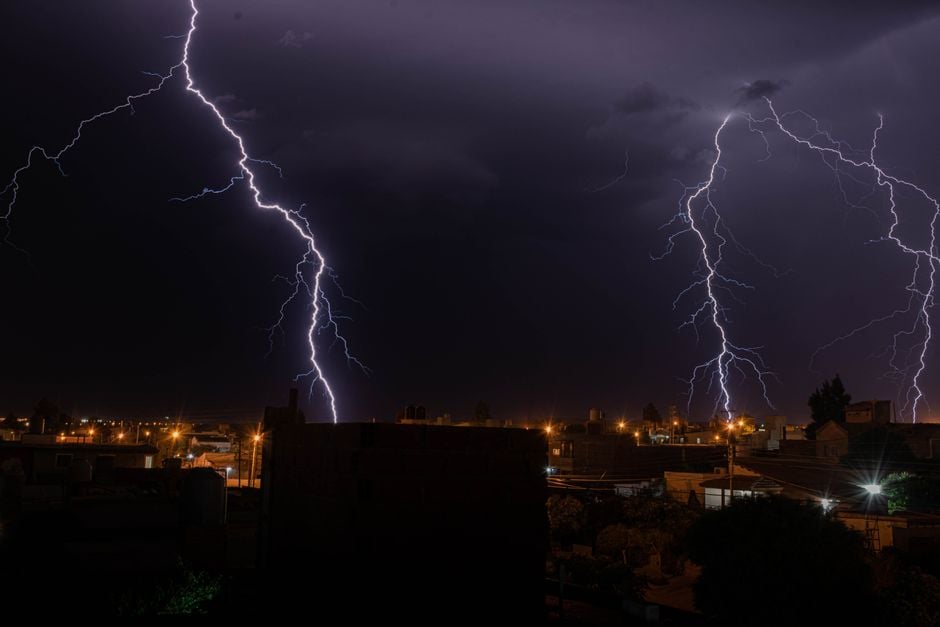
On Sunday, July 5, 2026, a storm-driven fire broke out along Route 311 in Patterson, New York. Fallen storm debris had tangled with damaged power lines, and the resulting fire tore through fiber-optic cables that carried Putnam County's primary internet connection. Full service was not restored until roughly 6:40 a.m. the following Monday, meaning county government and countless local businesses operated without their main connection for approximately 25 hours.
Fisch Solutions has written in detail about what happened in Putnam County and what area businesses should take from it, and the lessons apply well beyond Carmel and Mahopac. Any business that depends on cloud software, VoIP phones, or online payment systems faced the same exposure that day, whether they realized it or not.
What stayed up during that outage tells the real story.
Why Outages Devastate Unprepared Businesses
Outages are expensive, and they are becoming more common as severe weather events increase. A business without a plan does not just lose a few hours of productivity; it can lose customers, revenue, and in worse cases, its ability to reopen at all.
DOE: Outages Cost the U.S. $150 Billion a Year
The U.S. Department of Energy puts the cost of power outages to American businesses at an estimated $150 billion annually, and weather-related events make up a growing share of that total. Industry analysts who track downtime costs place the average price of unplanned downtime in the thousands of dollars per minute for many organizations, a figure that adds up fast when an outage stretches into hours rather than minutes.
Why Public Safety Radio Stayed Online
During the Patterson fire, Putnam County's public-safety radio system never went dark. It ran on a Project 25 (P25) radio backbone that did not depend on the same fiber connection that failed. That continuity came from architecture built specifically to avoid a single point of failure, and it is the same principle every business needs to apply to its own operations.
Four Decisions That Determine Survival
Surviving an outage comes down to a handful of choices made well before the storm arrives. None of them require an enterprise-sized budget.
Build a Redundant Internet Path
A single internet connection, no matter how reliable, is still a single point of failure. A practical setup for many small offices pairs a primary fiber or cable circuit with 5G or LTE failover running through a modern firewall on a separate mobile carrier. When the primary line drops, the firewall shifts traffic automatically, often within seconds, keeping card terminals, email, and cloud applications running. A small-office failover connection typically runs $70 to $150 per month, depending on the carrier, hardware, and data plan involved.
Choose Phones That Survive an Outage
VoIP phones tied to an office network go silent the moment that network loses its connection, unless a backup routing plan already exists. Modern managed VoIP platforms can automatically forward incoming calls to mobile phones and support softphone apps that let employees make and receive calls under the business number from anywhere. These features need to be configured and tested ahead of time, not discovered mid-crisis. Analog lines such as fire-alarm dialers and elevator phones need their own hardened backup paths as well, since they rarely fail over automatically.
Protect Data With Immutable Backups
A backup system that goes offline whenever the main network fails has the same weak spot exposed during many ransomware attacks. A resilient approach includes a local backup appliance for fast recovery, off-site immutable copies that cannot be altered or deleted, documented retention policies, and quarterly test restores. Immutable backups are considered a business-critical safeguard in 2026, largely because ransomware attacks so often target backup systems directly. If nobody has successfully restored a file or mailbox from backup in the last few months, that is an assumption, not a verified safety net.
Write a Plan Employees Can Follow
Putnam County's radio network stayed operational partly because the people responsible for it knew exactly what to do. A small business plan does not need to run forty pages. It needs to be clear enough that any manager could follow it under pressure.
Four Questions Every Plan Must Answer
A workable continuity plan should give a straight answer to each of these:
- If the internet is down for a full day, what number do customers call, and who answers it?
- How will the business keep accepting payments?
- Where are critical files stored, and how do employees reach them without office internet?
- Who has the authority to approve emergency purchases or operational changes on the spot?
Write the answers down, share them with every manager, keep a printed copy on hand, and walk through the plan at least once a year as a tabletop exercise.
Why Most Small Businesses Aren't Ready
Despite how common outages have become, most small businesses have not put a plan in place. That gap is exactly what turns a bad day into a permanent closure.
FEMA: Disasters Force Many Small Businesses to Close
The Federal Emergency Management Agency reports that a large share of small businesses hit by a disaster never reopen, and many more that do reopen close within a couple of years afterward. This highlights how outages, storms, and other disruptions are not just inconveniences but genuine threats to a company's survival.
Few Small Businesses Have a Written Plan
The U.S. Small Business Administration notes that only 40% of small businesses have a business continuity plan in place, leaving most companies improvising during exactly the moment when a clear plan matters most.
Preparedness Turns Crisis Into Advantage
The businesses that stayed reachable during Putnam County's 25-hour outage had an edge that no advertising budget could buy: customers who could still call, pay, and get help. Redundant internet, phones that reroute automatically, immutable backups, and a short written plan are well within reach for most small and medium-sized businesses.
The next outage is a matter of when, not if. For a practical starting point, consider building a business continuity plan around redundant internet, resilient phones, and tested backups before the next storm makes the decision urgent.
Fisch Solutions
City: New Windsor
Address: 3188 Route 9W
Website: https://fischsolutions.com


Comments
Post a Comment