Post-Storm Roof Inspection: Missouri Experts Explain What to Check
Key Takeaways
- A roof can look completely normal from the ground after a storm and still have damage that leads to leaks weeks or months later
- Homeowners can safely check for missing shingles, roofing debris, damaged gutters, and attic water stains without ever climbing onto the roof
- Climbing onto a roof after a storm carries real risks from slippery surfaces, hidden structural damage, and unstable debris
- Brian Dawson Roofing & Construction says regular roof inspections and repairs are essential in storm-prone areas such as Missouri.
Your Roof May Be Damaged And You Don't Know It
After a major storm rolls through, most homeowners walk outside, glance up at the roofline, and breathe a sigh of relief when nothing looks obviously wrong. No missing shingles scattered across the lawn, no gaping holes, no branches poking through the attic. It feels like a close call that ended fine.
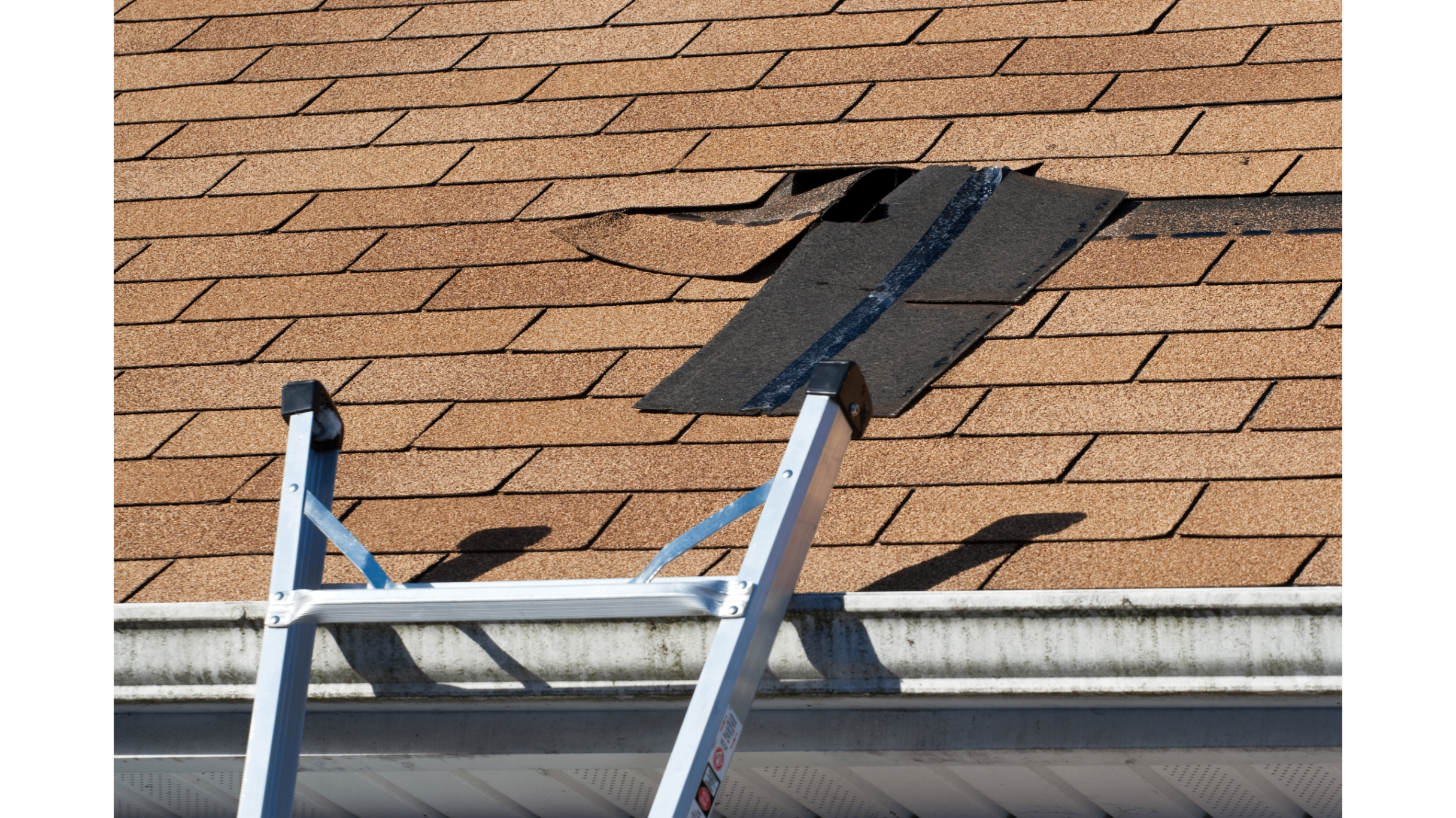
That relief can be misleading. Wind, hail, and heavy rain frequently cause damage that stays out of sight, loosening seals, cracking materials, and weakening components without leaving a dramatic visual clue. A roof that looks intact today can develop a leak weeks later once the compromised areas finally give way during the next rainstorm.
A thorough post-storm inspection matters for homeowners in storm-prone regions like St. Charles, St. Louis, and Lincoln Counties. Knowing what to check, what to leave to a professional, and how to think through the storm damage roof repair process can mean the difference between a quick fix and a costly, drawn-out headache.
Why Storms Hide Damage From Plain Sight
Roofs are built from layers working together, not just the visible shingles or tiles on top. Underlayment, decking, flashing, sealants, and ventilation components all play a role, and a storm can damage any one of these without disturbing the surface layer enough to notice from the yard. That layered structure is why storm damage often escapes a casual glance.
How Wind, Hail, and Rain Each Attack a Roof
Each type of severe weather leaves its own fingerprint on a roof, and recognizing the pattern helps homeowners know what to watch for.
- Wind can lift shingles just enough to break their adhesive seal, allowing water to seep underneath even though the shingles still appear to be sitting in place. It can also loosen flashing, damage roof edges, and detach vents without stripping materials away entirely.
- Hail tends to bruise and fracture the fiberglass mat inside asphalt shingles, destroying waterproofing ability while leaving only faint dents, marks, or fractures on the surface.
- Rain rarely causes damage on its own but excels at finding weaknesses that already exist, working its way through gaps around flashing, valleys, and roof penetrations that were compromised by wind or hail earlier in the same storm.
What You Can Safely Check From The Ground
Warning Signs Outside the Home
Start with a slow walk around the perimeter of the house, looking up at the roofline and down at the yard for anything out of place.
- Missing, lifted, or uneven shingles, along with any exposed underlayment
- Shingles, tiles, or granules scattered across the lawn or collecting in gutters and downspouts
- Bent, detached, or loose gutters and downspouts, along with fascia pulling away from the house
- Vents, flashing, or skylights that appear tilted, broken, or missing
- Fallen branches resting on the roof or broken limbs near the house
- Sagging sections of the roofline that were not there before the storm
Warning Signs Inside the Attic and Ceilings
The attic and upper floors of the home often reveal clues before anything shows up outside. Checking the attic, if it can be reached safely, is one of the most useful steps a homeowner can take after a storm.
- Water stains, damp insulation, or darkened wood on the attic decking
- Daylight visible through areas that should be completely sealed
- Musty odors or visible mold, which often signal moisture that has been sitting for a while
- New water stains, brown or yellow discoloration, or bubbling paint on ceilings and walls
- Sagging ceiling material or drips, both of which call for prompt attention
A new water stain on a ceiling should never be brushed off just because the roof looks fine from outside. Water frequently travels along framing and decking before it ever shows up as a visible stain, so the location of the stain does not always match the location of the actual leak.
When It's Time To Call A Professional
Situations That Demand Immediate Action
Some situations should never wait for a convenient time. These call for a phone call the same day damage is noticed.
- Water actively entering the home through a ceiling or wall
- A large tree or heavy branch resting on the roof structure
- Visible sagging that suggests the decking or framing has been compromised
- Exposed roof decking or punctures that leave the interior exposed to future rain
- Any storm severe enough to produce hail or sustained high winds, even without obvious exterior damage
What a Professional Inspection Reveals That You Can't
A trained inspector examines far more than what is visible from the yard. Flashing around chimneys and vents, the condition of the roof decking where it can be safely accessed, drainage performance in valleys and gutters, and the difference between fresh storm damage and older wear all require a trained eye and, in some cases, tools like thermal imaging to spot moisture that has not yet become a visible leak. That kind of detailed evaluation also helps separate genuine storm damage from pre-existing deterioration, which matters a great deal once an insurance claim enters the picture.
Turning An Inspection Into An Insurance Claim
Most standard homeowners insurance policies cover sudden, accidental damage from wind, hail, or storms, though they typically exclude damage caused by ordinary wear and tear or deferred maintenance. Knowing that distinction upfront helps homeowners set realistic expectations before ever picking up the phone to file a claim.
Documenting Damage Before Any Repairs
Photos and videos taken before any repair work begins are some of the most valuable tools in the entire claims process. Every angle matters:
- Wide shots of the overall property alongside close-ups of specific damaged areas
- Roofing debris found in the yard, photographed before it gets moved or cleaned up
- Interior damage, including ceiling stains, damp drywall, and any affected belongings
- Receipts for any temporary repairs made to prevent further damage while waiting on a full assessment
Permanent repairs should generally wait until the damage has been properly documented and assessed. Temporary measures to prevent additional water intrusion are reasonable when rain is in the forecast, but jumping straight to a full repair before an adjuster or contractor has seen the damage can complicate the claims process later.
A Thorough Inspection Protects Your Home And Wallet
Storm damage rarely announces itself clearly. A roof that looks fine from the driveway can still be quietly losing its ability to keep water out, and the gap between looking fine and actually being fine is exactly where costly repairs tend to start. Working through a ground-level and attic check right after a storm, documenting anything unusual, and bringing in a professional whenever there is uncertainty gives homeowners the clearest possible picture of what their roof actually needs.
For homeowners unsure where their roof stands after the last round of severe weather, scheduling a professional storm damage roof inspection is one of the most reliable ways to catch hidden problems before they turn into much bigger ones.
Brian Dawson Roofing & Construction
City: Wentzville
Address: 5039 Highway P
Website: https://briandawsonroofing.com/
Phone: +1 636 465 9465


Comments
Post a Comment