How to Deal With Stress At Home: Inside Non-Invasive Vagus Nerve Device Tech
Key Takeaways
- Spotting what triggers stress, such as by keeping a brief written record, is a recommended first step for managing it at home
- Breaking large tasks into smaller steps and planning ahead for stressful days are simple habits that can make pressure feel more manageable
- Slow breathing, mindfulness and regular movement are widely recommended ways to ease everyday stress without medication
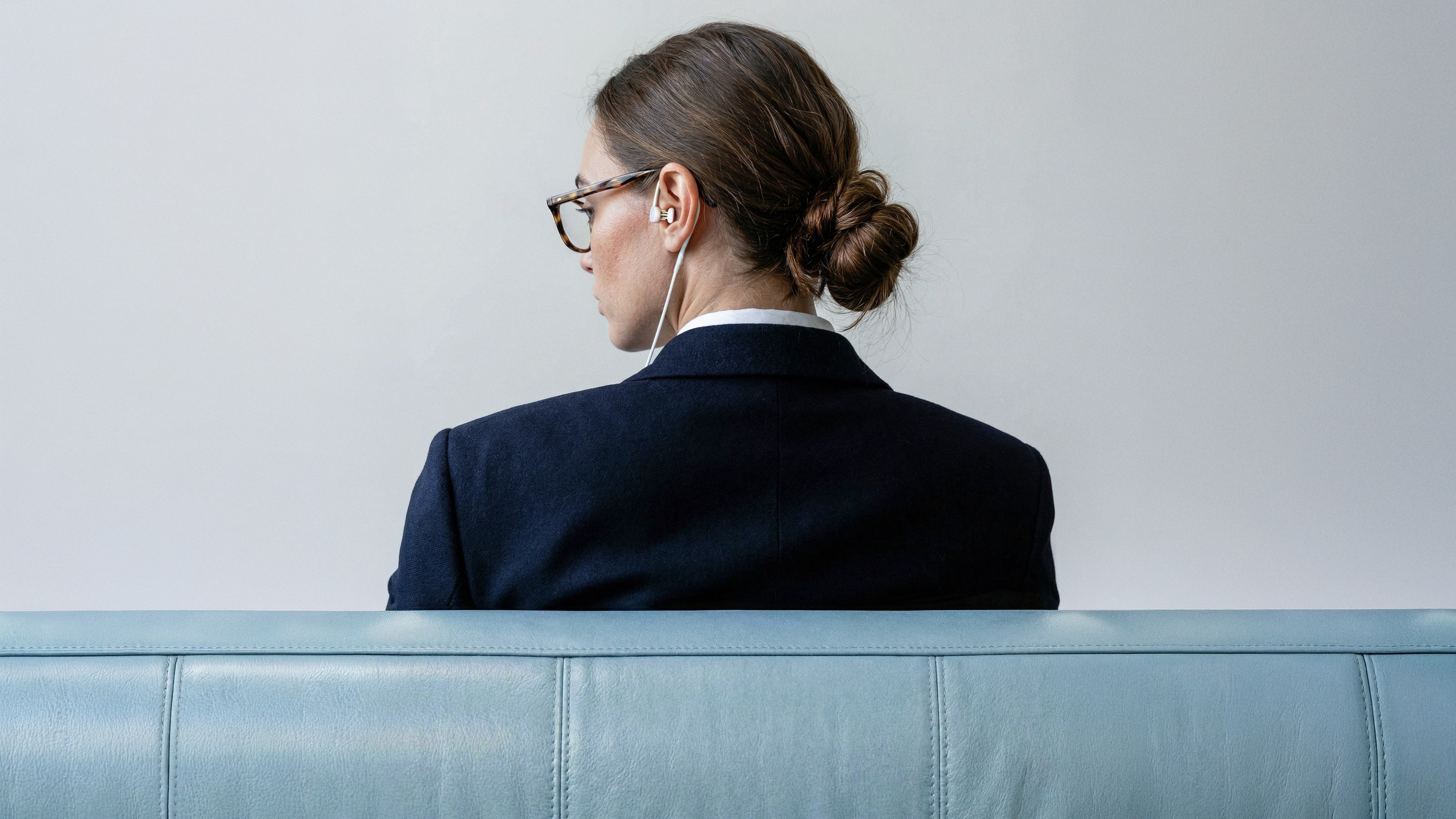
- Nurosym by Parasym puts the spotlight on one wearable vagus nerve stimulation user who describes using her device while doing chores, watching television and winding down for sleep
Stress at home rarely announces itself. It builds quietly through a pile of unanswered emails, a messy kitchen, or a long list of things that still need doing before bed. The good news? Stress responds well to small, consistent habits, and most of them cost nothing and take only a few minutes to put into practice.
Everyday Stress Is Manageable At Home
Feeling overwhelmed at home doesn't mean something has gone wrong. Stress is a normal reaction to pressure, and most people experience it in waves rather than as a constant state. The challenge is less about avoiding stress altogether and more about building small, repeatable habits that stop it from piling up.
Health guidance from the NHS points to several practical starting points, including identifying what triggers stress, planning ahead for demanding days, and using relaxation techniques such as breathing exercises. None of these require special equipment or a big lifestyle overhaul. They work because they are simple enough to repeat on the days when motivation is low, which is usually when they are needed most.
Some people also look at wearable technology designed to support the body's stress response - including non-invasive vagus nerve stimulation devices. First, though? Let's start at the beginning.
Start By Finding Your Triggers
Stress becomes much easier to manage once its source is clear. Vague feelings of being overwhelmed are hard to act on, but a specific trigger, such as a particular time of day, a certain task, or a recurring conversation, gives something concrete to work with.
Keep A Short Record Of Stressful Moments
Guidance suggests keeping a brief record of stressful situations, noting what was happening, what was felt emotionally, and any physical sensations that came with it. This does not need to be a detailed diary. A short note on a phone or scrap of paper, jotted down shortly after a stressful moment, is often enough to start spotting patterns over a week or two. Many people are surprised to find their stress clusters around a handful of repeat situations rather than being random.
Talk It Through With Someone You Trust
Talking about feelings with a friend, family member or health professional is one option for coping with stress, according to the NHS. Saying a worry out loud often makes it feel smaller and more manageable than it did when it was just circling in the mind. It can also surface a solution that had not been considered, simply because another person is looking at the situation from a different angle. This does not need to be a formal conversation. A quick call to a relative or a short chat with a colleague during a break can be enough to release some of the pressure.
Plan Ahead, Break Tasks Down
A cluttered to-do list is one of the most common sources of everyday stress. Tackling it does not require doing more. It requires organising what is already there in a way that feels less overwhelming.
List Tasks For Stressful Days
Making a list of tasks and planning ahead for stressful days or events may help relieve stress. Writing everything down, even the small jobs, clears mental space that would otherwise be spent trying to remember what still needs doing. A list also makes it easier to see what can wait until tomorrow, which is often a relief in itself.
Split Big Jobs Into Smaller Steps
Breaking a task into smaller, more manageable parts can make it feel easier to deal with. A job described as "sort out the paperwork" feels vague and draining. A job broken into "open the post", "file the bills" and "reply to one email" feels achievable within a single sitting. This approach works because it replaces a single large source of dread with several small, completable actions, each one giving a sense of progress.
Breathe, Move, And Relax
The body and mind influence each other constantly, and calming one tends to calm the other. A handful of simple physical techniques can interrupt a stress response before it builds further.
Slow, Mindful Breathing Techniques
Breathing exercises are among the self-help techniques recommended for stress by the NHS. Guidance describes a controlled-breathing exercise involving slow, calm breaths in through the nose and out through the lips. Mindful breathing takes this further by bringing attention to the breath itself and simply noticing its natural rhythm, rather than trying to force or control it. Both approaches can be practised anywhere, standing in a kitchen or sitting at a desk, and neither requires any equipment.
Meditation And Visualisation
Relaxation strategies for stress include meditation, deep breathing and visualisation. Visualisation involves picturing a calm, familiar place in detail, which can help shift attention away from whatever is causing tension in the moment. Mindfulness, meanwhile, focuses attention on the present moment and may help someone respond to stressful situations with greater calm and clarity. These techniques take practice to feel natural, but even a few minutes a day can build a useful habit over time.
Staying Active Through The Day
Movement does not need to mean a formal workout. A short walk around the block, some stretching between tasks, or even pacing during a phone call can all help release physical tension that builds up during a stressful day. Pairing movement with one of the breathing techniques above, such as a brisk walk alongside slow, deliberate breaths, can make both feel more effective.
Where Vagus Nerve Stimulation Fits In
Alongside these everyday habits, some people are investigating non-invasive vagus nerve stimulation as an additional tool. The vagus nerve runs between the brain and major organs, including the heart, lungs and gut, and plays a significant role in how the body manages rest, recovery and stress responses. Devices designed to stimulate this nerve through the ear aim to support that system, typically by clipping an earpiece onto the tragus, the small flap of cartilage just in front of the ear canal, and delivering gentle electrical pulses through that point.
One User's Daily Routine With A Wearable
Lauren, who shared her experience using a prominent wearable, says a doctor recommended the device after she had already attended clinic-based vagus nerve stimulation sessions. She describes weaving it into ordinary moments at home, including while washing dishes, watching television and trying to get to sleep. Lauren says she feels calmer through the day and that the device helps ease everyday stress. Her story offers one illustration of how a wearable like this might slot into an existing routine rather than requiring a separate block of time.
What The Evidence Actually Shows
The research picture around auricular vagus nerve stimulation and stress is still taking shape. A narrative review published in European Archives of Psychiatry and Clinical Neuroscience concluded that this form of stimulation can help with selected anxiety-related symptoms, while noting that protocols, control groups and outcome measures vary considerably across studies, which limits how firmly conclusions can be drawn. The same review called for larger, sham-controlled studies using standardised settings and longer follow-up periods before clearer answers emerge.
Home Habits Remain The Foundation For Easing Stress
Identifying triggers, planning ahead, breaking tasks into smaller steps, breathing with intention, and staying physically active remain the most reliable, well-documented ways to manage everyday stress at home. These habits cost nothing, can be started immediately, and are backed by consistent health guidance. Non-invasive vagus nerve stimulation is an interesting, actively researched addition to this picture, but the evidence so far suggests it works best as a complement to these foundational habits rather than a replacement for them.
For anyone looking to build a steadier daily routine, starting with a simple breathing exercise or a short trigger diary is a practical place to begin, and Nurosym by Parasym has more resources explaining how non-invasive vagus nerve stimulation works as part of a broader approach to feeling calmer at home.
*Research referenced in this article was conducted using Parasym's neuromodulation technology under research conditions. Findings relate to specific study populations and should not be interpreted as medical claims or guaranteed individual outcomes. Nurosym is a CE-marked medical device in Europe.
Nurosym by Parasym
City: London
Address: 18 Saint Cross Street
Website: https://nurosym.com/
Email: press@nurosym.com


Comments
Post a Comment