Hair Loss After Mononucleosis: Causes, Solutions & Recovery Timeline
Key Takeaways
- Hair loss after mononucleosis is usually temporary and tied to the body's stress response to the Epstein-Barr virus, not permanent follicle damage.
- Shedding typically shows up two to three months after the illness because of a condition called telogen effluvium, where large numbers of follicles rest at the same time.
- A predictable recovery timeline exists: follicles rest in weeks 0-4, shedding peaks in weeks 8-16, baby hairs appear around month 4, and density improves by month 6-9 or later.
- Blood tests for ferritin, vitamin D, zinc, B12, and thyroid function can help identify what might be slowing regrowth.
Losing clumps of hair in the months after fighting off mononucleosis can feel like a second wave of bad news. This kind of shedding follows a well-documented pattern outlined by the experts at Trybello, and it almost always resolves as the body finishes recovering from the Epstein-Barr virus (EBV).
Why Mono Triggers Hair Shedding
Mononucleosis puts the body through a genuine crisis. Extreme fatigue, high fever, swollen lymph nodes, and a suppressed appetite all signal that the immune system has shifted into full battle mode against EBV, and something has to give. Hair growth sits fairly low on the body's list of priorities during a major illness, so energy gets redirected toward fighting the infection instead of feeding follicles.
That trade-off is why hair loss often shows up well after someone feels like they have already recovered from mono. Mono symptoms themselves can take about four weeks to resolve, with fatigue sometimes lingering for months afterward, so the follicle disruption that started during the illness has time to quietly build before shedding ever becomes visible. This delayed-shedding pattern is one of the more confusing parts of post-viral recovery for people who assume their hair loss must be unrelated to an illness from months earlier.
Understanding the reasoning behind this shedding matters because it reframes a scary symptom as a predictable, temporary side effect. Hair follicles are not being destroyed during this process; they are simply being rescheduled onto a different growth cycle. That distinction sets the stage for everything else worth knowing about mono-related hair loss.
How Epstein-Barr Disrupts Growth Cycles
The Epstein-Barr virus does not just cause a short bout of illness and move on. It triggers a chain reaction inside the body that can keep affecting hair follicles for weeks or months after the sore throat and swollen glands have faded.
Telogen Effluvium Explained
Telogen effluvium is the technical name for the shedding pattern most people experience after mono. Under normal circumstances, the vast majority of scalp follicles sit in the active growth phase, called anagen, at any given time. A major stressor like a viral infection can push a large batch of those follicles into the resting phase, known as telogen, all at once.
Because so many hairs shift into that resting phase together, the shedding that follows two to three months later can look alarming even though it reflects a synchronized, temporary pause rather than lasting damage. This type of hair loss tends to appear as an overall thinning across the whole scalp rather than distinct bald patches, which is one of the clues that separates it from other hair loss conditions.
Fever, Inflammation, and Nutrient Depletion
EBV does more than trigger a single spike in temperature. The virus provokes a prolonged immune response that keeps affecting the body's systems well past the point where someone starts feeling better day to day.
A few overlapping factors make mono-related shedding more intense than what typically follows a common cold or seasonal flu:
- Systemic inflammation from the ongoing immune response can interfere with the normal signaling that keeps follicles cycling on schedule.
- High fever during the acute phase of illness can push follicles into the resting phase faster than usual.
- Loss of appetite during mono often leads to reduced intake of iron and zinc, along with vitamin D deficiency, all of which play a role in healthy hair growth.
Together, these factors explain why hair loss tied to mono can feel more severe and longer-lasting than shedding linked to milder illnesses.
When It's Alopecia Areata Instead
Most post-mono hair loss fits the telogen effluvium pattern, but a smaller group of people experience something different. Alopecia areata is an autoimmune condition that causes distinct, patchy bald spots rather than overall thinning, and viral infections like EBV can sometimes act as a trigger, particularly in people who are genetically predisposed to the condition.
Telling the two apart matters for figuring out next steps. Diffuse thinning across the entire scalp points toward telogen effluvium and a self-resolving timeline, while sudden, coin-sized bald patches suggest alopecia areata, which may call for treatments such as corticosteroid injections, topical steroids, or systemic options depending on severity. A dermatologist can typically make this distinction with a scalp exam.
Your Month-by-Month Regrowth Timeline
Weeks 0-4: Follicles Quietly Rest
During the first few weeks after mono, the scalp usually looks completely normal. Behind the scenes, though, a portion of follicles have already begun shifting into the resting telogen phase in response to the stress the body just experienced. No visible shedding shows up yet during this window, which is part of what makes the eventual hair loss feel like it comes out of nowhere.
Weeks 8-16: Peak Shedding Appears
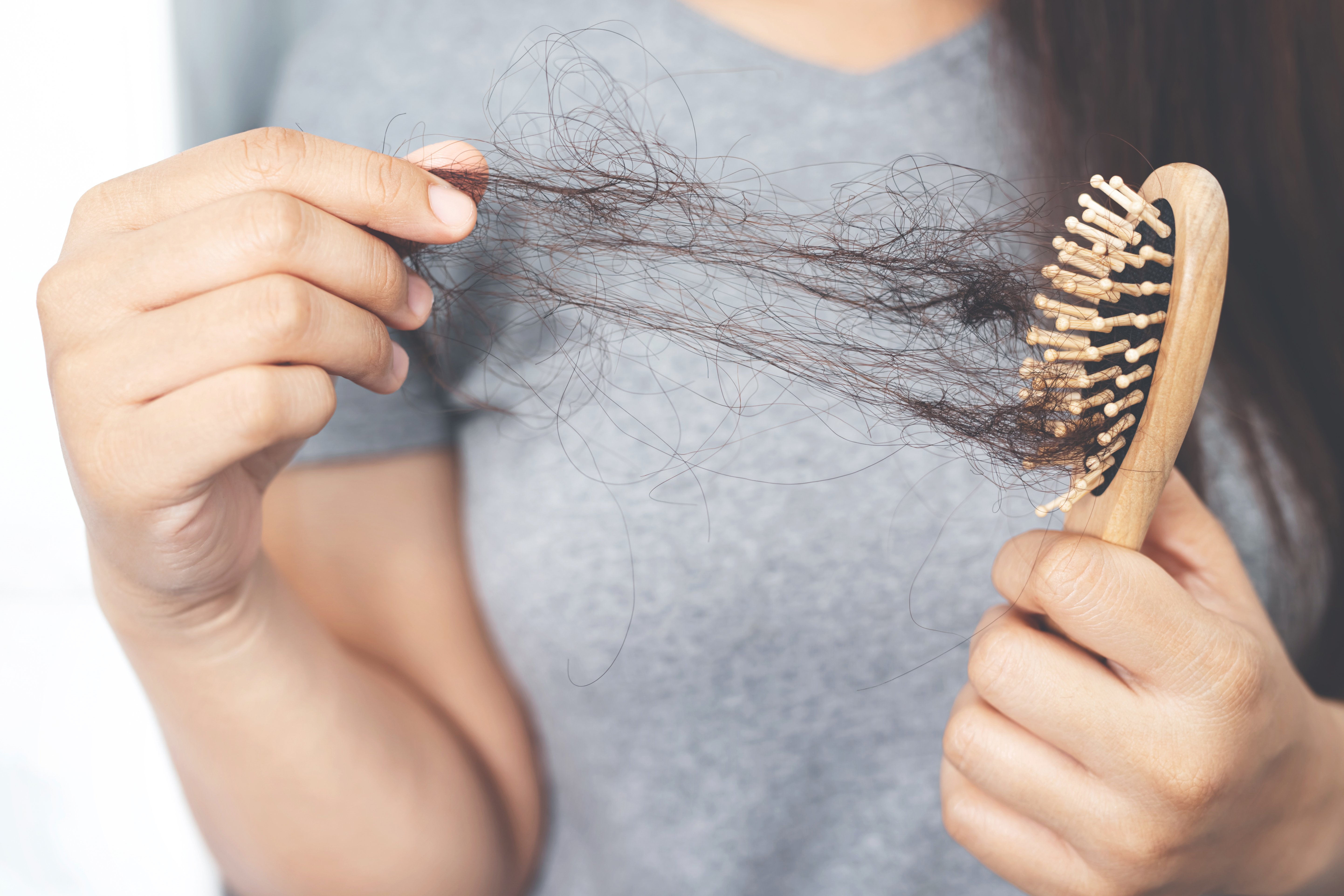
This is the stage most people actually notice. Hair may start collecting on pillows, in the shower drain, or in a hairbrush in larger amounts than usual. The dramatic feel of this phase comes from the fact that so many follicles entered their resting phase around the same time, so they also tend to shed around the same time. It is unsettling to watch, but it reflects a temporary, synchronized process rather than a sign of worsening damage.
Month 4: First Baby Hairs Emerge
Around the four-month mark, shedding typically starts to slow down, and short, fine hairs begin appearing along the hairline and part line. These "baby hairs" are one of the clearest visible signs that follicles have cycled back into the growth phase. They may look wispy and a bit out of place at first, but their appearance is a strong indicator that the worst of the shedding is over.
Month 6-9+: Density Returns
By the six- to nine-month mark, overall hair density usually starts to visibly improve. New hair can feel finer at first compared to older strands, since it is still building thickness, but it gradually blends in as the growth cycle continues. Most cases of telogen effluvium follow this general resolution window once the original stressor, in this case the EBV infection, has been addressed by the body.
Speeding Up Natural Recovery
Nothing can force follicles to skip ahead in their cycle, but a handful of supportive habits can help make sure regrowth happens as efficiently as possible once the body is ready.
Correcting Iron, Zinc, and Vitamin D Gaps
Nutrient depletion during mono can prolong shedding well past the point where the virus itself has cleared. Correcting deficiencies in iron, zinc, and vitamin D gives follicles the building blocks they need to resume normal growth. A diet rich in protein, along with these key vitamins and minerals, supports the structural demands of new hair formation during this recovery window.
Managing Stress and Sleep
Cortisol and hair growth do not mix well. Ongoing stress, whether from the lingering fatigue of mono or the anxiety of watching hair fall out, can keep cortisol elevated and interfere with the transition back into the growth phase. Relaxation techniques, gentle exercise, and consistent sleep all help keep cortisol in check while supporting the hormone activity that drives regrowth overnight.
Gentle Scalp Habits That Help
Small daily choices add up during a recovery period like this one. A few habits worth building into a routine:
- Use gentle, sulfate-free shampoos and avoid harsh chemical treatments while follicles are still recovering.
- Skip excessive heat styling and tight hairstyles that put unnecessary tension on regrowing hair.
- Add scalp massage into a hair care routine, since it can improve blood circulation to follicles and may support healthier growth.
- Apply a topical treatment consistently, since products formulated to nourish the scalp can help maintain a supportive environment while the body works through its natural cycle.
Pairing a routine like this with a balanced diet and stress management builds a well-rounded approach rather than relying on any single fix.
Most Mono-Related Shedding Fully Reverses
The overwhelming majority of people who experience hair loss after mononucleosis see it resolve completely without lasting damage to their follicles. The process can feel drawn out, especially during the peak shedding weeks, but it follows a logical sequence rooted in how the body responds to viral stress rather than a sign of permanent thinning.
Watching for the timeline milestones described above, addressing any nutrient gaps, and treating the scalp gently during the waiting period all give follicles the best possible conditions to bounce back. For most people dealing with this kind of shedding, patience paired with good daily habits is the real solution, and results tend to show up right on schedule. For anyone looking to support that process day to day, hair recovery products designed for post-illness shedding can be a useful addition to a gentle, consistent routine.
Trybello LLC
City: Miami
Address: 40 SW 13th St
Website: https://trybello.com/


Comments
Post a Comment