Yard Odors From Pets: What's That Nasty Smell? (And How To Fix It)
Why Yards Develop Persistent Odors—and What Actually Fixes Them
What is that smell?! Unpleasant odors can ruin time spent in the yard but finding the source of the offensive whiff is often difficult.
According to environmental estimates, millions of tons of pet waste are produced annually in the United States, and a significant portion is not consistently collected. What remains behind does more than affect appearance of the neighborhood green spaces. Over time, it alters soil chemistry, attracts bacteria, and creates odors that seem to linger no matter how often the lawn is rinsed or mowed.
Outdoor smells are often dismissed as a normal part of pet ownership, yet persistent yard odors usually signal an underlying sanitation issue. Unlike indoor odors that are easier to isolate and treat, yard odors are absorbed into soil, porous surfaces, decking materials, and landscaping. Without addressing the source of the contamination, attempts to mask the smell frequently fail.
Understanding why odors develop is the first step toward selecting the right treatment approach.
Common Causes of Yard Odors
Yard odors rarely come from a single source. They typically develop from a combination of environmental and biological factors.
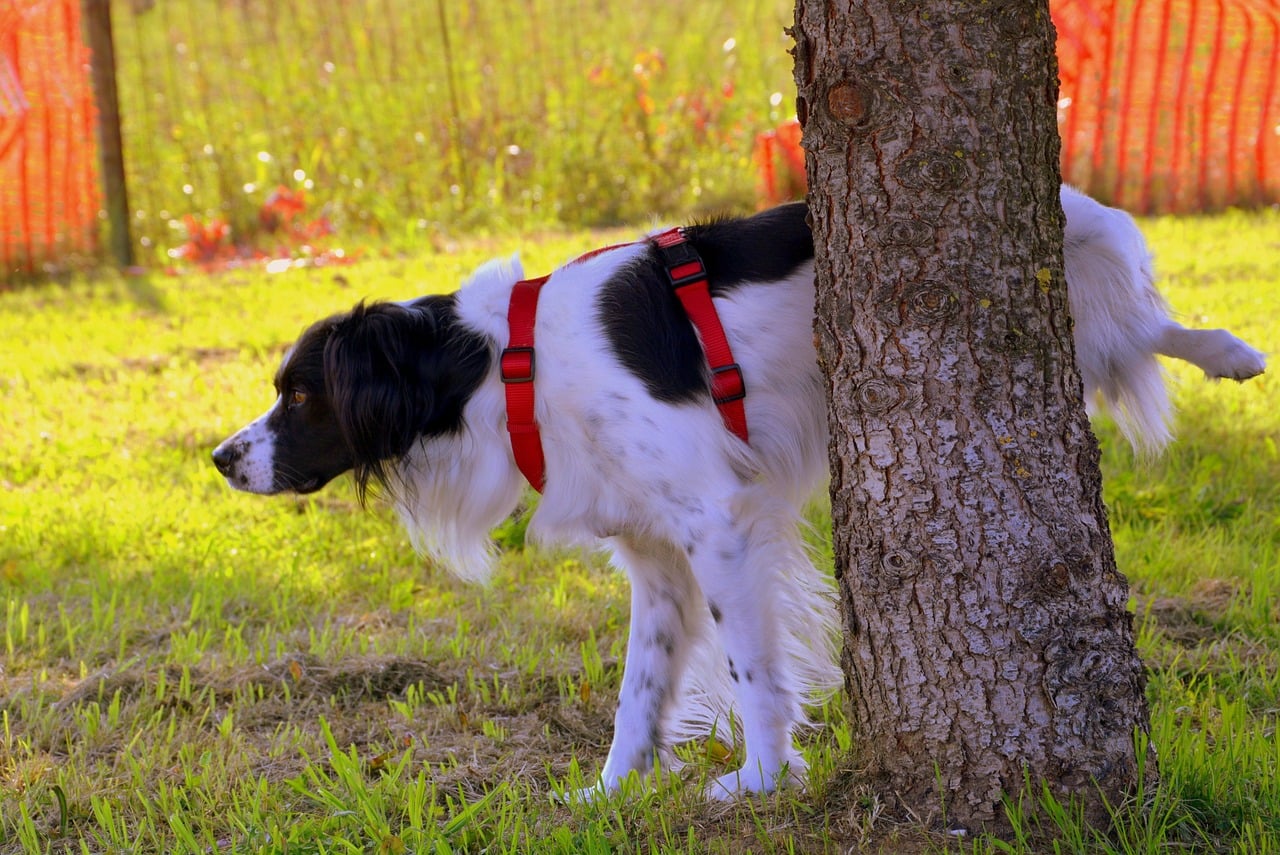
Pet waste accumulation is the most obvious contributor. Even when waste is removed regularly, residue remains in the soil. Urine, in particular, penetrates deeply into turf and releases ammonia compounds that intensify in warm weather.
Bacteria and organic breakdown occur when waste, leaves, and organic debris decompose. Moisture accelerates this process, especially in shaded areas or dog runs where airflow is limited.
Porous outdoor surfaces such as decks, patios, and artificial turf absorb liquids over time. These surfaces trap odor-causing compounds that cannot be removed with simple rinsing.
Poor drainage and runoff allow contaminated water to settle into low spots in the yard, creating a recurring odor problem after rain or irrigation.
Because these causes are embedded into the environment, surface cleaning alone is rarely effective.
DIY Approaches That Can Help
For mild odor issues or routine maintenance, certain household solutions can reduce smell and improve yard freshness. These methods are most effective when paired with regular waste removal.
Baking Soda Treatment
Sprinkling baking soda over affected soil or turf helps neutralize acidic odor compounds. Allowing it to sit for several hours before rinsing can reduce surface smells.
Vinegar and Water Spray
A mixture of white vinegar and water in equal parts can be sprayed onto hard surfaces such as patios or decks. Vinegar acts as a natural deodorizer and mild disinfectant. However, this option may not be safe for some plants.
Hydrogen Peroxide Solution
Diluted hydrogen peroxide can help break down organic residues on non-porous surfaces. This is particularly useful for concrete and stone areas.
Enzyme Cleaners
Pet-safe enzyme products available in stores break down organic matter at a molecular level, reducing odor rather than masking it.
While these options are accessible and inexpensive, they typically address only surface symptoms. Deep soil contamination and embedded bacteria often require more comprehensive treatment.
Pet-Friendly Odor Control Options
Many commercial yard deodorizers rely on strong fragrances that temporarily mask odors but may irritate pets or sensitive individuals. Pet-friendly alternatives focus on neutralizing the source without introducing harmful chemicals.
Look for products labeled as enzyme-based, biodegradable, and non-toxic. These formulations work by breaking down bacteria and organic material safely. Regular application can maintain freshness in high-traffic pet areas, dog runs, and kennel spaces.
Natural turf conditioners and soil treatments can also restore balance to areas affected by repeated urine exposure, helping prevent recurring odors during hot or humid weather.
When Professional Sanitation Becomes Necessary
In cases where odors persist despite routine cleaning, the issue often extends beyond what household methods can resolve. Professional yard sanitation services use specialized equipment and solutions designed to penetrate soil, porous materials, and high-traffic areas.
Professional treatment typically includes:
- Deep sanitization targeting bacteria and odor-causing compounds
- Deodorization methods that neutralize rather than mask smells
- Surface treatment for decks, patios, kennels, and dog runs
- Ongoing maintenance plans for properties with multiple pets or frequent use
This level of care is particularly valuable for property managers, dog parks, kennel facilities, and homeowners with larger yards or multiple animals. It also reduces environmental risks associated with contaminated runoff entering local water systems.
Maintaining a Fresh Outdoor Environment
DIY methods are useful for routine freshness and light odor control but often require frequent repetition and may not resolve embedded contamination. Pet-friendly commercial products provide safer alternatives but still operate at a surface level.
Professional sanitation addresses the root cause, offering longer-lasting results and reducing the cycle of recurring odors. The choice often depends on the severity of the problem, yard size, and how frequently the space is used by pets. Ensure that the chosen service specializes in pet-friendly yard sanitation and deodorization services that maintain safe outdoor environments for both pets and people.
Consistent waste removal, periodic deodorizing treatments, and attention to drainage and surface materials all contribute to long-term odor prevention.
Poo Squad
City: Manhattan
Address: 612 Pillsbury Drive #b
Website: https://www.poosquad.com/
Phone: +1 785 292 9225
Email: info@thepoosquad.com


Comments
Post a Comment