What Is the Overarching Message of the Bible? Key Takeaways for New Readers
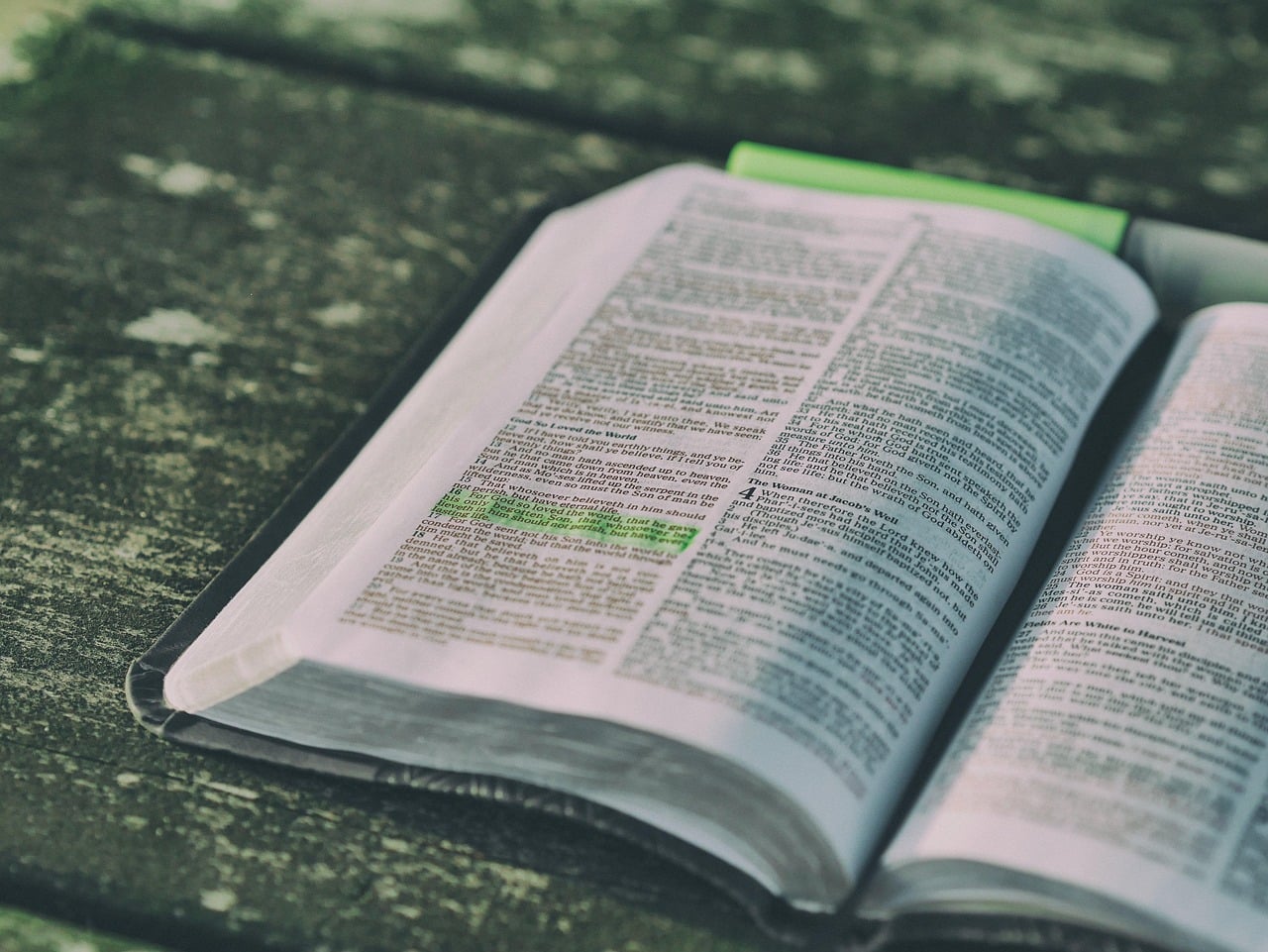
Key Takeaways
- The Bible's overarching message centers on God's plan for humanity and the universe - not just a collection of disconnected stories.
- Two major lenses frame that message: salvation through Jesus Christ and the establishment of God's cosmic kingdom - and both point to the same sweeping truth.
- From creation to the cross to the coming kingdom, covenants thread the entire biblical story together into one unified narrative.
- Understanding how the Old and New Testaments connect - and where humanity fits in that story - changes how the Bible reads entirely. Keep reading to see how it all ties together.
Most people who pick up a Bible for the first time find themselves wondering: Is there a point to all of this? Kings, prophecies, letters, poetry - it can feel like a library more than a book. But once the structure clicks, the Bible reads less like a collection and more like a single, carefully constructed story with one Author driving every chapter toward one destination.
One Book, One Sweeping Plan
The Bible spans roughly 1,500 years of writing, 40 authors, and dozens of literary styles - yet theologians and biblical scholars consistently identify a single, unifying thread running from Genesis to Revelation. That thread is God's plan for humanity and the universe: a plan that begins before creation, unfolds through history, and arrives at a definitive conclusion.
Two Lenses on the Same Truth
Biblical scholars have long recognized that the Bible's central message can be approached from two distinct but complementary angles. Neither is wrong. They are simply two ways of looking at the same mountain.
Salvation: The Gospel in Focus
Salvation is God's act of rescuing humanity from the consequences of sin. This is the lens most people encounter first, and it sits at the heart of Christian theology. According to Biblica, the good news of salvation in Jesus Christ is "the fundamental message of Scripture" - and beneath that headline are several interlocking truths: humanity was created in goodness, fell into sin, and was not abandoned to that fate. God provided a Savior, bore the full weight of sin's consequences through Christ's death, and demonstrated victory through the resurrection. Living inside that salvation, as Biblica puts it, means knowing "life is not meaningless" but is instead "surrounded by God's love, and bound for eternity with him."
God's Cosmic Purpose: The Bigger Picture
The second lens zooms out considerably. Here, salvation is real and vital - but it is one part of something far larger: the revelation of God's plan and purpose for the entire universe. This view takes in all of time and space, framing history as a cosmic drama between God's kingdom and a fallen opposition, moving toward a final resolution where creation itself is restored. As one theological perspective frames it, the Bible's major theme is "the display of God's glory and sovereignty over all creation, encompassing the universe's restoration and the redemption of His people." These are not competing ideas - they are two perspectives on one majestic theme.
Creation, Fall, and the Stakes for Humanity
Made in Sinless Perfection
The story begins with an intentional act. God created humanity in His own image - with an eternal soul, a capacity for relationship, and a purpose: to reflect His glory, care for the earth, and enjoy communion with their Creator. The purpose of creation, according to theological doctrine, was for God's own glory and to form the earth to be inhabited by His creatures. Everything in those opening chapters of Genesis radiates design and delight.
How Sin Entered the Story
Then comes the catastrophic turn. Adam and Eve, tempted by Satan, chose rebellion over trust - and that single act introduced sin, shame, and separation into what had been a perfect relationship. The consequences spread through humanity like a fracture through stone, touching every dimension of human life and creation itself. Yet God did not abandon humanity. That refusal to walk away is, in many ways, where the real story begins.
Christ as the Turning Point
The Cross: Where Justice and Mercy Meet
If creation is the opening and the fall is the crisis, then the cross is the pivotal moment the entire story has been building toward. God, rather than simply overlooking sin, sent His own Son to bear its full consequences. As Biblica describes it, "God poured out all the terror of eternal condemnation on his son in those terrible hours of suffering and death on the cross." This is where divine justice and divine mercy collide - not canceling each other out, but fulfilling each other completely.
The Resurrection: Victory Confirmed
The resurrection is the exclamation point. Death didn't hold. In raising Jesus from the dead, God declared that sin's grip on humanity had been broken and called people everywhere to "identify with this victory by faith in Jesus Christ." Every denomination interprets the mechanics of salvation differently, but the centrality of Christ's death and resurrection is the common ground on which all of Christian theology stands.
The Cosmic Conflict Behind History
Two Kingdoms in Opposition
Step back from the individual story of salvation, and a larger conflict comes into view. The Bible describes all of human history as shaped by two opposing kingdoms: God's kingdom and the rebellious kingdom driven by Satan. According to Biblica, "this conflict marks all history" - with Satan fomenting disorder, deception, and division, particularly among God's own people. This explains a great deal about why the world looks the way it does: not chaos without meaning, but a battle with sides, stakes, and a known outcome.
Satan's Defeat and What Comes Next
The cross did more than save individuals - it shifted the entire cosmic balance of power. What looked like Satan's victory over God became, through the resurrection, his actual defeat. He still operates in the world, but as Biblica notes, "he realizes he cannot win." The story is still moving toward its conclusion: a climactic return of Christ, the final unraveling of evil's hold, and the establishment of God's kingdom for eternity. A restored creation - new heavens and a new earth - is the destination this narrative has been pointing toward all along.
One Unified Narrative, Old and New
Covenants as the Thread
One of the most misunderstood aspects of the Bible is the relationship between the Old and New Testaments. They are not two separate books with two separate Gods. Covenants are the connective tissue. From the covenant with Adam, to the promises made to Abraham, to the law given through Moses, to the new covenant established through Christ - each agreement advances the same story. Biblical theology often frames God's plan as being unveiled through covenants, from the creation covenant to the new covenant in Christ, aiming to glorify God through redemption and renewal. The Old Testament is not outdated backstory - it is the foundation without which the New Testament makes no sense. Biblical themes like sacrifice, dwelling, covering, and kingdom echo across both halves, each one pointing forward to Jesus and backward to creation's original intent.
God's Kingdom Is Still Being Built - And You're Part of It
The biblical story is not over yet. The concept of God's kingdom, established by Jesus in the new covenant, is still moving toward its full consummation. Scripture is clear that God desires all humanity to be saved and to come to a knowledge of the truth - and that the patience He shows is deliberate, giving space for repentance and response.
That means anyone engaging with the Bible today is stepping into an active, ongoing story. The same God who designed creation, refused to abandon fallen humanity, sent His Son to the cross, and raised Him from the dead - is still at work, still building His kingdom, and still extending the invitation that has been at the heart of the story from the beginning.
The Bible is the account of a God with a plan - and an open seat at the table for anyone willing to engage with what it is actually saying.
Wordsmith World
City: Big Spring
Address: Texas
Website: https://bettyjohansen.com/


Comments
Post a Comment