What Is Chiropractic Care for Kids? A Chiropractor Explains
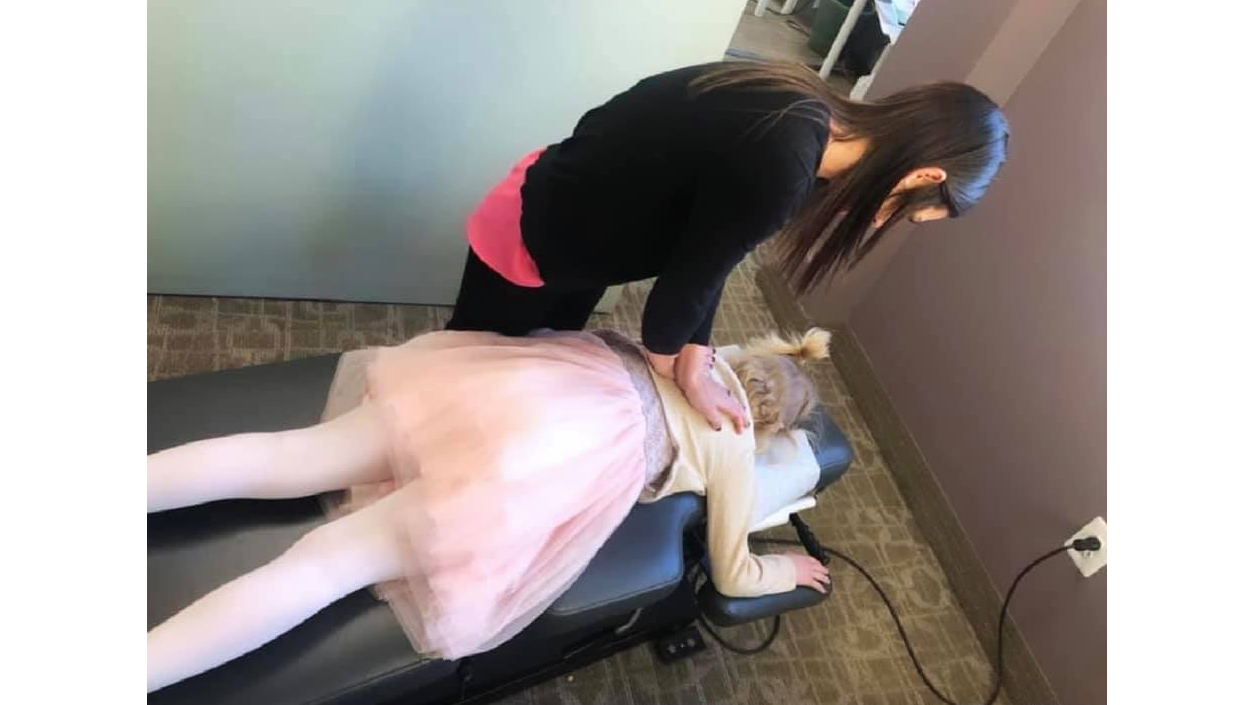
Key Takeaways
- Pediatric chiropractic care uses very gentle, low-pressure techniques specifically adapted to a child's developing spine and nervous system.
- Common reasons parents seek care for children include colic, reflux, sleep difficulties, posture concerns, and movement issues.
- Safety research indicates that adverse events from pediatric chiropractic are rare and typically mild when performed by a qualified provider.
- The nervous system is the central focus of pediatric chiropractic - not just the spine - which is why it may influence a wide range of developmental functions.
- Keep reading to understand exactly how adjustments for kids differ from adult care, and what to realistically expect at a first visit.
Most parents are fairly familiar with chiropractic care for adults - back pain, neck stiffness, that kind of thing. But when the subject turns to kids, questions and concerns naturally come up. Is it safe? Why would a child even need it? What does it actually look like? These are fair questions, and they deserve clear, honest answers.
Kids' Spines Need Attention Too
A child's spine goes through a lot from the very beginning. Birth itself can place physical stress on an infant's neck and upper spine. From there, the milestones keep coming - first steps, falls, backpacks, sports, hours of screen time. Each stage brings its own set of physical demands on a body that is still actively developing.
The spine is not just structural. It houses and protects the spinal cord, which is the main communication pathway between the brain and the rest of the body. When something along that pathway is not moving or functioning well, it can affect more than just comfort - it can influence how the nervous system operates overall. That is the core reason pediatric chiropractic exists as a specialty.
What Pediatric Chiropractic Actually Involves
Pediatric chiropractic is not a scaled-down version of adult care. It is a distinct approach built around how children's bodies work at each stage of development.
Gentler Than You Think
The most common misconception is that chiropractic adjustments for children involve the same kind of force used on adults. They do not. Techniques are adapted to a child's size, age, and specific needs. For infants, some practitioners use methods like craniosacral therapy, which involves extremely light contact along the skull and sacrum to address cranial and spinal imbalances. The level of pressure involved is far below anything that would cause discomfort.
The International Chiropractic Pediatric Association (ICPA) provides specialized training for chiropractors working with children and emphasizes a developmentally appropriate framework for this kind of care. The American Chiropractic Association (ACA) similarly supports pediatric chiropractic, stressing thorough examination and individualized care plans as the foundation of safe, effective practice.
The Nervous System Is the Real Focus
Pediatric chiropractic centers on detecting and correcting subluxations - areas in the spine where vertebrae may be misaligned or restricted in movement. The concern goes beyond mechanics. When spinal joints are not moving freely, they can create interference in the nervous system's ability to send and receive signals efficiently. For a growing child, that kind of interference can show up in unexpected ways, from disrupted sleep to motor development challenges.
Common Reasons Parents Bring Kids In
Chiropractic care for children is not limited to spinal complaints. Parents often seek natural support for issues that do not have obvious orthopedic origins.
Infants: Colic, Reflux, and Sleep
Infants are among the most common pediatric chiropractic patients. After birth - particularly following difficult or assisted deliveries - tension in the neck and upper spine can create problems that show up as:
- Colic - excessive, inconsolable crying that does not respond to standard soothing
- Reflux - frequent spitting up or discomfort after feeding
- Breastfeeding difficulties - trouble latching or turning the head to one side
- Disrupted sleep - difficulty settling or staying asleep
- Torticollis - when an infant consistently holds their head tilted to one side due to muscle tightness
Case studies and clinical reports have documented improvements in torticollis and related infant discomfort following gentle chiropractic care. These are subtle corrections applied with precision, not dramatic interventions.
Older Kids: Movement, Posture, and Comfort
As children grow, different concerns emerge. School-age kids and teenagers may be brought in for:
- Postural issues from long hours sitting or carrying heavy backpacks
- Sports-related soreness or recurring injuries
- General complaints of back or neck discomfort
- Questions about supporting healthy spinal development during growth spurts
Some parents also seek care for children dealing with recurring ear infections, headaches, or difficulty concentrating - conditions they believe may have a nervous system component. Research in these areas is still developing, and honest providers will be upfront about what evidence supports and where more study is needed.
How Adjustments for Kids Differ
Pressure Compared to Touching a Tomato
Here is a useful frame of reference that pediatric chiropractors often use: the pressure applied during an infant adjustment is roughly equivalent to what you would use to test whether a tomato is ripe. No cracking, no forceful thrusts, no dramatic movements. For older children, pressure increases slightly and techniques adapt accordingly, but the approach remains far gentler than adult spinal manipulation.
Adjustments are always adapted to the individual child. A six-week-old receives a completely different kind of contact than a twelve-year-old. Age, body size, specific complaint, and developmental stage all factor into what technique is used and how much pressure is applied.
What the Safety Research Actually Says
Adverse Events Are Rare and Typically Mild
Safety is the first question every parent should ask - and it is a reasonable one. The available research indicates that adverse events from pediatric chiropractic care are rare, and when they do occur, they tend to be mild and temporary, such as minor soreness at the site of adjustment. This holds true when care is delivered by a qualified, experienced chiropractor who conducts a proper examination before beginning treatment.
Evidence Is Still Developing for Some Conditions
Transparency matters here. While parental satisfaction surveys - including one published in the Journal of Clinical Chiropractic Pediatrics - show high rates of reported improvement across a range of childhood health conditions, the clinical evidence base for certain specific conditions is still growing. Chiropractic care is best understood as a complementary health approach that works alongside conventional medical care, not as a replacement for it. A trustworthy pediatric chiropractor will be clear about this distinction and will coordinate with a child's pediatrician when appropriate.
What Palmercare's Approach Looks Like
Palmercare Chiropractic takes a nervous system-focused approach to family care. The goal is to understand how the spine and nervous system are functioning together and what might be getting in the way of optimal development and comfort - not simply to address a single complaint.
Adapted to Each Child's Needs
Every child's care starts with a thorough exam. There is no one-size-fits-all approach. An infant presenting with feeding difficulties gets a very different evaluation than a ten-year-old with recurring headaches. The findings from that initial assessment drive everything - the techniques used, the frequency of care, and the goals tracked over time. Progress is reassessed regularly so care stays relevant as a child grows and changes.
Part of Whole-Family Care
One practical advantage of family-focused chiropractic care is that it brings everyone under one roof. Palmercare's model supports children alongside their parents and siblings, which simplifies scheduling and creates continuity of care across the household. Children tend to respond well when chiropractic visits feel like a normal, familiar part of family health routines rather than a one-off clinical event.
Gentle, Natural Support Starts Here
Chiropractic care for children is a carefully adapted, developmentally sensitive practice that focuses on how the spine and nervous system support everything from sleep and digestion in infants to posture and athletic performance in older kids. The techniques are gentle, the safety profile is favorable when care is properly delivered, and the approach works best as part of a broader commitment to natural, whole-family wellness.
For parents who want to find out what pediatric chiropractic might look like for their child, Palmercare Chiropractic offers family-centered care designed to meet each child where they are - gently, clearly, and with real attention to what their developing body needs.
Palmercare Chiropractic
City: Sterling
Address: 46169 Westlake
Website: https://palmercare.com/


Comments
Post a Comment