What Are Hurricane Impact Doors Made Of? Florida Experts Weigh In
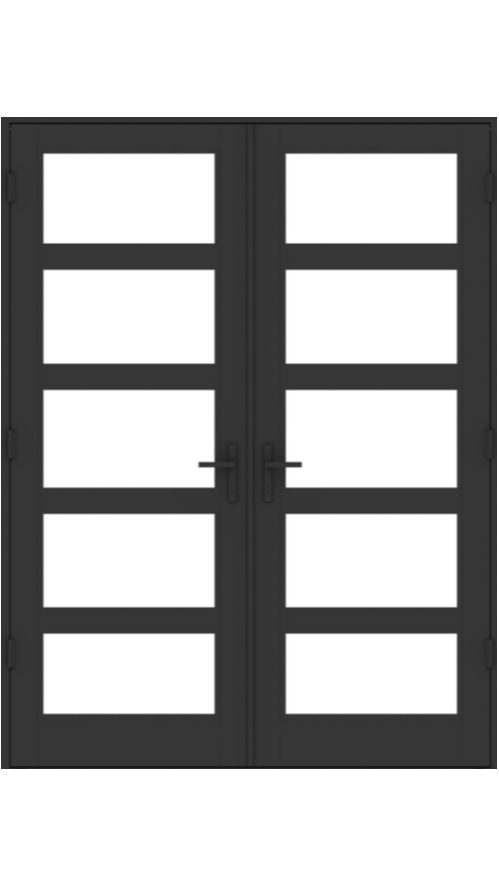
Fort Myers homeowners facing Gulf Coast storm exposure often ask a simple but important question before upgrading their entryways: what actually makes a hurricane impact door different from a standard one? The answer comes down to a combination of specialized glass, reinforced framing, and hardware designed to keep the door intact when conditions turn severe.
Laminated Glass Construction
The core of any hurricane impact door is its glass. Unlike standard single-pane glass, impact-rated doors use laminated glass, which consists of two or more glass layers bonded together with an interlayer, typically polyvinyl butyral (PVB) or SentryGlas Plus (SGP). This construction allows the glass to crack under impact without separating or creating an opening. Even after a direct hit from wind-borne debris, the layers stay bonded, maintaining a barrier against wind and rain intrusion.
Some manufacturers offer heat-strengthened laminated glass, which adds an extra layer of resistance to thermal stress and impact. Glass thickness varies by product, with common options ranging from 5/16 inch to 7/16 inch, depending on the size of the door and the wind load requirements for the installation location.
Reinforced Framing Materials
Glass alone does not make a door hurricane-rated. The frame has to hold that glass in place under extreme pressure. Experts from Impact Windows Center, Fort Myers, Florida, explain that aluminum is one of the most common framing materials used in impact doors, particularly heavy-gauge T6 aluminum, which offers a strong strength-to-weight ratio and resists warping in humid, high-temperature climates like Southwest Florida.
Frame depth also matters. Deeper frames, often around four inches, provide more surface area for anchoring and help distribute wind pressure more evenly across the door assembly. Some impact door lines use fiberglass or reinforced vinyl instead of aluminum, offering different trade-offs in insulation and maintenance, though aluminum remains widely used in coastal construction due to its durability against saltwater exposure.
Multi-Point Locking Systems
Hardware plays a bigger role in impact door performance than many homeowners realize. Standard single-point locks are not built to handle the pressure differentials that occur during a hurricane. Multi-point locking systems, often built from stainless steel to resist corrosion, secure the door at several points along the frame rather than just at the handle. This distributes force more evenly and reduces the risk of the door flexing or separating from its frame during high winds.
Some door lines offer optional three-point locking configurations for added security, which also provides a secondary benefit outside of storm season by making forced entry more difficult.
Wind and Impact Testing Standards
Materials alone do not qualify a door as hurricane-rated. The finished assembly, glass, frame, and hardware combined, has to pass third-party testing for large missile impact resistance, which simulates debris strikes using standardized projectiles at specific speeds.
Products intended for Florida's High-Velocity Hurricane Zones, which include Miami-Dade and Broward counties, must meet even stricter testing protocols than general statewide requirements, though Fort Myers homeowners in Lee County should confirm which wind zone and design pressure rating applies to their specific property.
Energy Performance Considerations
Beyond storm resistance, many impact doors are also built with energy efficiency in mind. Insulated laminated glass with low-emissivity (Low-E) coatings helps reduce heat transfer, which can lower cooling costs in Florida's warm climate.
Products carrying National Fenestration Rating Council (NFRC) certification display standardized performance ratings, including U-factor and solar heat gain coefficient, allowing homeowners to compare energy performance across different door options using consistent criteria rather than relying on manufacturer claims alone.
Matching Door Construction to Local Wind Requirements
Not every impact door is engineered the same way, and construction details can vary significantly between product lines. Homeowners should confirm the specific wind zone rating, design pressure requirements, and permit standards that apply to their property before selecting a door, since local building codes ultimately determine which materials and configurations are required for compliance.
Impact Windows Center
City: Boynton Beach
Address: 3547 High Ridge Rd
Website: https://impactwindowscenter.com/


Comments
Post a Comment