Tension-Type Headache Treatment: Singapore Experts on the Neck-Pain Link
Key Takeaways
- Lasting tension-type headache relief usually depends on correcting cervical spine alignment rather than repeatedly treating the pain itself
- A 2022 study in Pain Medicine found the C2-C3 joint is the primary source in 62 percent of headache-dominant cervicogenic cases
- The 'Ram's Horn' pattern, pain wrapping from the base of the skull over the ear to the forehead or eye, is a classic sign a headache is actually coming from the neck
- Painkillers and massage often trigger a rebound cycle because they never correct the misaligned joint driving the pain
Waking up with a tight band around the head, a dull throb behind the eyes, or a headache that seems to arrive right on schedule every afternoon is a familiar story for many people in Singapore. Most sufferers reach for painkillers, blame stress, and move on with the day, only for the same headache to return a few hours or days later. The pattern repeats because the true trigger, often sitting in the cervical spine, is never actually addressed.
Your Headache Is Not a Mystery
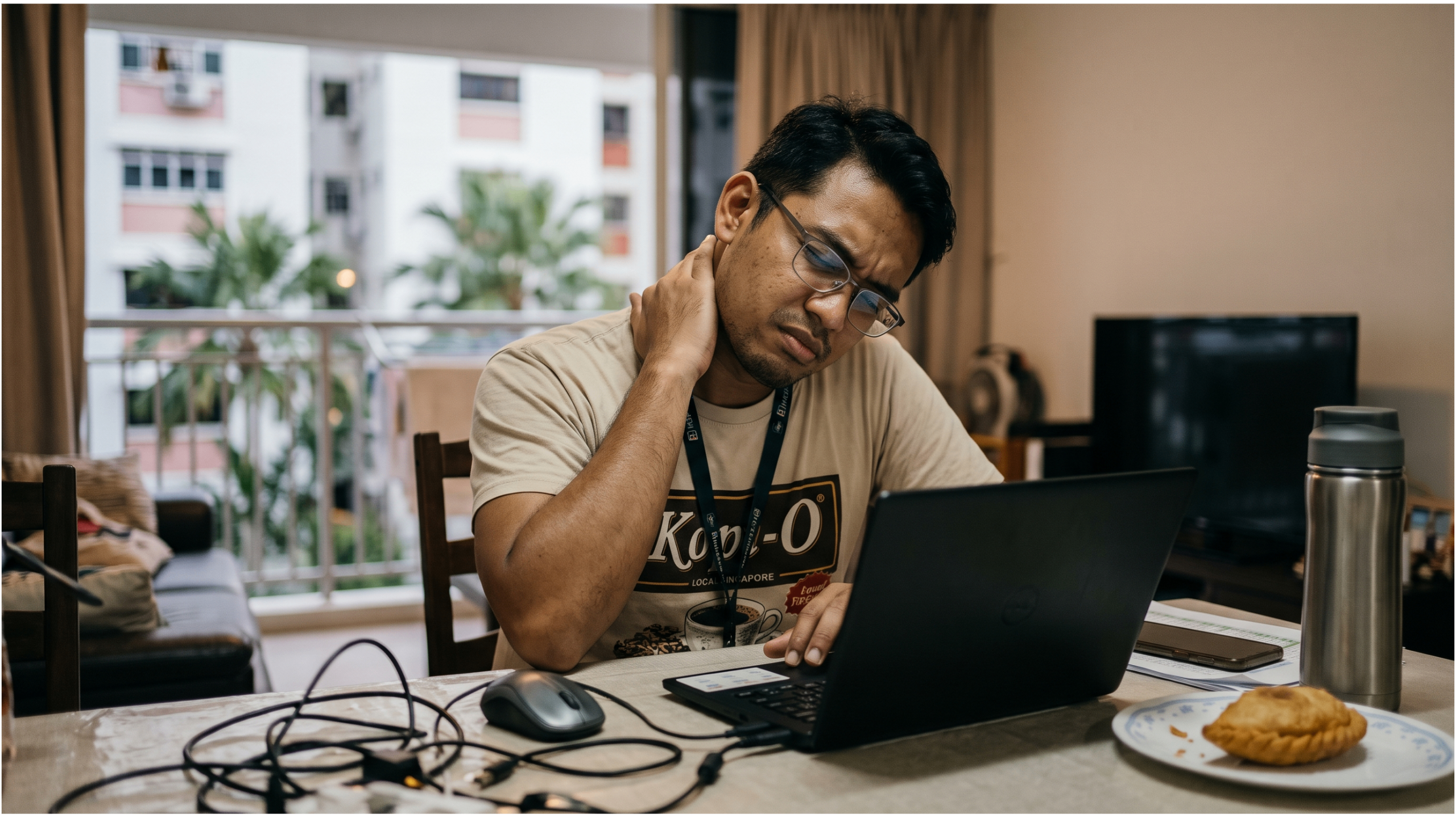
Tension-type headaches feel unpredictable, but the mechanism behind them is often quite logical once the neck is examined closely. Long hours at a desk, constant phone scrolling, and poor posture place ongoing strain on the joints and muscles at the top of the spine. Over time, this strain can irritate nerves that travel from the neck into the scalp, forehead, and temples, producing pain that feels like it originates inside the head when it actually starts lower down.
This connection between neck structure and head pain is well documented. Specialists at Dr. Neck Pain, a Singapore clinic focused on tracing headaches back to their structural source in the cervical spine, note that understanding this link changes how a person approaches treatment, shifting the goal from dulling pain to correcting what is causing it.
Why the Neck Causes Head Pain
The upper neck and the base of the skull share a dense network of nerves, joints, and muscles that work together to support the head's weight and movement. When this area loses its normal alignment or mobility, the surrounding structures compensate by tightening, and that tension frequently refers pain upward into the scalp, temples, and forehead. This is why a headache can feel like it is happening at the front of the head while the actual dysfunction sits at the back of the neck.
The C2-C3 Joint: Primary Culprit in Headache-Dominant Cases
Among the joints in the upper cervical spine, one stands out repeatedly in clinical research: the C2-C3 joint. A 2022 study published in Pain Medicine by Govind and Bogduk used controlled diagnostic blocks and found that this joint was the primary source in 62 percent of headache-dominant cervicogenic cases. Two other upper cervical joints, C1-C2 and C3-4, accounted for a much smaller share, which reinforces just how central the C2-C3 segment is when a headache is the main complaint rather than neck pain.
This matters because it gives clinicians a specific, testable target rather than a vague diagnosis of stress or tension. When a joint this high up in the neck loses its normal position or motion, the consequences ripple outward through the nerves that pass nearby, setting the stage for the kind of head pain that resists ordinary treatment.
How the Greater Occipital Nerve Gets Irritated
The greater occipital nerve emerges from between the cervical vertebrae near the base of the skull and travels up through the scalp. When the C2-C3 joint shifts out of its ideal position, it can compress or irritate this nerve directly. The result is often a stabbing or burning sensation that radiates from the upper neck, over the back of the head, and sometimes as far as the forehead or behind the eyes.
Because this nerve pathway overlaps so closely with the areas where tension headaches are usually felt, the two conditions are easily confused. A headache caused by nerve irritation from a misaligned joint can feel remarkably similar to a stress-related tension headache, even though the underlying mechanism, and the treatment that actually works, differs completely.
"Tech Neck" and the Suboccipital Squeeze
Prolonged device use has given rise to a very specific postural pattern, often called "Tech Neck," where the head tilts forward for extended periods while looking at a phone or laptop screen. This forward head position places significant extra load on the upper cervical spine and forces the suboccipital muscles, the small muscles at the base of the skull, to work far harder than they should just to keep the head upright.
Over months or years, this constant overwork causes the suboccipital muscles to tighten and shorten, effectively squeezing the nerves and joints beneath them. Office workers who spend hours hunched over dual monitors are particularly prone to this pattern, and it explains why so many headaches seem to intensify in the late afternoon after a long stretch of screen time.
Spotting a Cervicogenic Headache
Not every headache with neck involvement looks the same, but there are recognisable patterns that point toward a structural, rather than purely muscular, origin. Learning to spot these patterns is the first step toward getting the right kind of help instead of cycling through treatments that only address the surface.
The "Ram's Horn" Pain Pattern
One of the clearest indicators is what is often described as the "Ram's Horn" pattern: pain that starts at the base of the skull and curves around one side of the head, wrapping over the ear before settling in the forehead or behind the eye. This one-sided, wrapping quality distinguishes it from the more even, band-like pressure typically associated with ordinary tension headaches.
People who notice this pattern often also report accompanying neck stiffness, sensitivity to a cold draft on the shoulders, or a headache that flares up specifically after long periods of sitting or looking down. These accompanying clues are useful because they point directly back to the neck as the source, rather than leaving the headache as an unexplained mystery.
Tension Headache vs Cervicogenic Headache
Tension headaches and cervicogenic headaches share enough symptoms to be frequently mixed up, but a few key differences set them apart:
- Tension headache: Usually felt as an even, tight band of pressure across the entire head, commonly linked to stress and often responds, at least briefly, to relaxation or over-the-counter pain relief.
- Cervicogenic headache: Typically one-sided, radiating from the neck upward, and tends to worsen with certain neck movements or sustained postures such as desk work.
- Trigger pattern: Tension headaches are more closely tied to emotional or mental stress, while cervicogenic headaches are more closely tied to mechanical movement, posture, or pressure at the base of the skull.
- Response to rest: A tension headache may ease somewhat with rest alone, whereas a cervicogenic headache often persists until the underlying joint restriction or nerve irritation is addressed.
Because these two conditions overlap so heavily, cervicogenic headaches are frequently mistaken for standard tension headaches or even migraines, delaying the kind of targeted care that actually resolves the problem.
Why Symptom Management Falls Short
Most conventional approaches to headache relief focus entirely on the moment of pain rather than what caused it. This is understandable, since pain is the most urgent and distressing part of the experience, but it also means the same triggering mechanism is left completely untouched, ready to cause the next episode.
Painkillers, Massage and the Rebound Cycle
Painkillers work by blunting the brain's perception of pain signals, and massage works by temporarily relaxing tight muscles, but neither approach changes the physical position of a misaligned joint. Once the medication wears off or the muscles retighten, usually within a couple of days, the underlying structural stress reasserts itself and the headache returns. This creates what is often called a rebound cycle, where a person becomes reliant on increasingly frequent doses of relief just to function.
Massage and similar soft-tissue therapies genuinely reduce discomfort in the short term because they ease the muscular guarding around a misaligned joint. However, if that joint itself is never repositioned, the muscles simply tighten back up to protect it, and the pain returns within days. This is precisely why so many people describe feeling like they are managing a chronic condition rather than actually overcoming it.
What the Evidence Says About Structural Correction
Interest in structural, hands-on approaches to headache treatment has grown substantially as researchers look for options that do not carry the side effects associated with long-term medication use. The evidence so far points toward manual therapy producing meaningful, measurable improvements for tension-type and cervicogenic headache sufferers.
Manual Therapy's Track Record in Clinical Studies
A 2011 randomized clinical trial and a 2013 prospective longitudinal study each found manual therapy more effective than usual GP care for reducing headache frequency in people with chronic tension-type headache. These findings matter because they show structural approaches carry real, growing clinical support as an actual treatment method, rather than remaining a theoretical alternative.
Spinal Manipulation Versus Mobilisation and Exercise
When researchers have compared different manual therapy techniques directly, spinal manipulation has generally outperformed gentler mobilisation and exercise-only approaches for headache relief. A 2025 clinical trial published in Frontiers in Neurology found that structural spinal manipulation was more effective than massage and mobilisation for stopping cervicogenic headache pain. This suggests that the degree of correction matters: techniques that actually restore joint position and motion tend to outperform those that only relax surrounding tissue without addressing the joint itself.
Correcting the Cause Ends the Cycle
Breaking free from recurring tension-type headaches starts with recognising that the neck is often doing far more damage than it gets credit for. A headache that keeps returning despite medication, rest, and massage is a strong signal that something structural, rather than purely muscular or emotional, needs attention. Identifying whether a joint like C2-C3 has lost its proper alignment, and correcting that alignment directly, addresses the root mechanism rather than papering over its effects.
For anyone tired of cycling through painkillers and short-term fixes, learning more about cervicogenic headache and migraine care in Singapore is a reasonable next step toward finally addressing the structural cause behind the pain.
Dr Neck Pain
City: Singapore
Address: 420 North Bridge Road
Website: https://www.drneckpain.com
Phone: +65 8138 6880
Email: ask@drneckpain.com


Comments
Post a Comment