Reformer Pilates: NYC Experts Explain What to Expect From a Class
Key Takeaways
- A typical reformer Pilates class runs about 50 to 55 minutes, moving through a warm-up, a main set of spring-and-strap exercises, and a cool-down focused on breathing and mobility
- The reformer machine's sliding carriage and adjustable springs make it possible to build deep core strength, better posture, and greater flexibility while staying gentle on the joints
- Many instructors observe noticeable changes within 8 to 12 weeks among beginners attending class two to three times a week
- The workout targets often-ignored stabilizer muscles around the shoulders, hips, and ankles, which is one reason physical therapists frequently recommend it during recovery
Curiosity about reformer pilates tends to peak right before a first class, when questions outnumber answers. What does the machine actually do? Will it hurt? Is it too advanced for someone who has never taken a Pilates class before? These are fair questions, and the answers matter more than the hype around this workout suggests.
What a Reformer Class Really Involves
A reformer class typically runs about 50 to 55 minutes, broken into three clear phases. The first 5 to 10 minutes serve as a warm-up, easing the body into movement and setting the tone for breath-focused work. The middle stretch, usually 30 to 35 minutes, is where the real workout happens: a sequence of spring-resisted and strap-based exercises that challenge the core, arms, legs, and back in rotation. A 5- to 10-minute cool-down closes things out, blending stretching with slower, more deliberate breathing to bring the heart rate back down.
Instructors guide every movement from start to finish, following verbal and hands-on cues that correct posture, adjust spring tension, and pace the transitions between exercises. That coaching is a big reason reformer pilates has become such a popular option across New York City gyms and boutique studios alike, since it removes the guesswork that often stops beginners from trying strength-based classes in the first place.
For beginners, the NYC experts at Natural Pilates advise focusing on control rather than trying to make every exercise harder, as heavier spring resistance does not necessarily mean a more effective reformer workout.
Meet the Sliding Carriage Machine
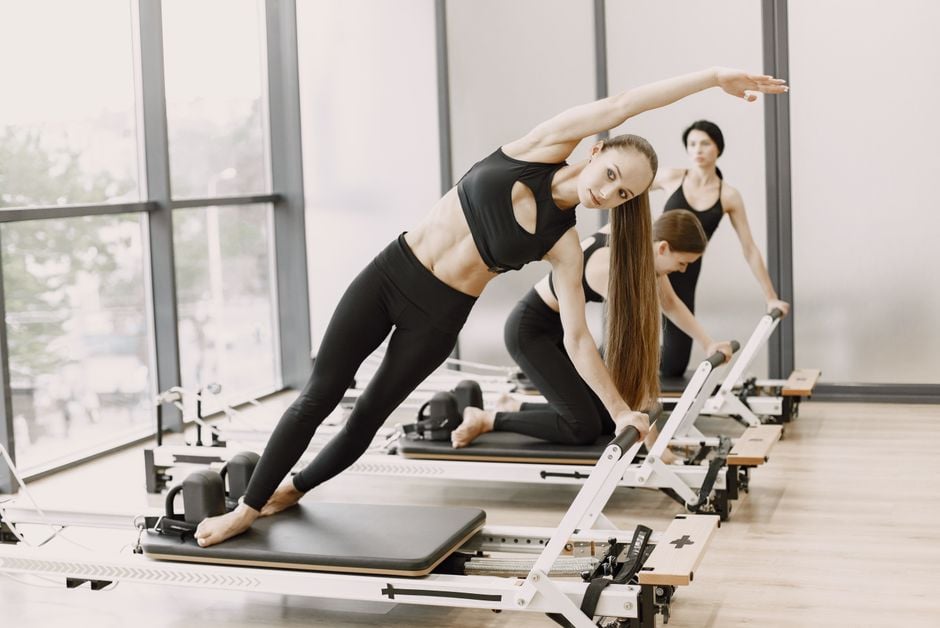
The reformer looks unlike most gym equipment, and that unfamiliarity is often the first thing beginners notice. At its center is a carriage that glides back and forth on rails, connected to a set of springs that create adjustable resistance. Straps and a foot bar attach to the carriage, giving instructors multiple ways to position the body during each exercise, whether lying down, seated, kneeling, or standing.
The spring system is what sets this machine apart from free weights or resistance bands. Springs can be added or removed in seconds, which means the same reformer can support a first-timer working through gentle, controlled movements and, in the very next class, challenge an advanced student with heavier resistance and faster transitions. That range is part of why reformer work suits such a wide span of fitness levels, from someone easing back into exercise after time off to an athlete looking to sharpen balance and control.
Building Strength From the Inside Out
Strength-building on the reformer looks different from a typical gym session, largely because so much of the work happens beneath the surface. The sliding carriage forces the body to stabilize constantly rather than isolating one muscle group at a time, which recruits muscles that rarely get attention in a standard workout.
Deep Core and Pelvic Floor Activation
Every reformer exercise asks the deep abdominal muscles and the pelvic floor to engage, forming what many instructors call the body's "powerhouse." This applies well beyond obvious ab exercises; even movements that seem focused on the legs or arms require the core to stay activated to keep the carriage controlled. Over time, this constant engagement builds a kind of core stability that carries over into everyday movement, from lifting groceries to sitting at a desk for hours.
Waking Up Forgotten Stabilizer Muscles
Standard weightlifting routines tend to favor large, visible muscle groups, often leaving smaller stabilizers around the shoulders, hips, and ankles underdeveloped. The reformer's moving carriage changes that dynamic. Because the surface is never fully still, the body has to make constant micro-adjustments, which activates these smaller muscles in a way that flat-ground exercises rarely do. Strengthening these stabilizers can translate into steadier balance, fewer nagging aches, and better performance in other physical activities.
Full-Body Push-Pull Conditioning
Much of a reformer class alternates between pushing the carriage away and pulling it back in, using the legs, arms, glutes, and back in coordinated sequences. This push-pull pattern keeps multiple muscle groups working at once rather than in isolation, building functional strength that mirrors real-world movement more closely than single-joint exercises do. It also keeps the pace of class moving, since transitions between pushing and pulling exercises happen quickly and require sustained focus.
Better Posture, Greater Flexibility
Posture improvement is one of the most commonly cited benefits of reformer pilates, and it comes from repetition rather than any single exercise. Each movement asks the body to find and hold a neutral spine and pelvis position, and doing this dozens of times per class trains the nervous system to recognize proper alignment even outside of class. Over weeks of consistent practice, many people notice they sit and stand differently without consciously thinking about it.
Flexibility gains follow a similar pattern, though the mechanism is slightly different. The reformer's spring tension allows muscles to lengthen gradually under continuous, controlled resistance, which can be more effective than static stretching alone because it combines length with support and control at the same time. This steady lengthening expands range of motion around the hips, shoulders, and spine, joints that tend to stiffen from long hours of sitting or repetitive daily movement.
A Joint-Friendly Path to Recovery
One reason reformer pilates draws such a broad range of participants, including people recovering from injury, is how little impact it places on the joints. The spring-based resistance replaces the pounding of running or jumping, so knees, hips, and the spine can be strengthened without absorbing repeated shock. This quality has made reformer work a common recommendation from physical therapists guiding clients through recovery from joint or back injuries, since it allows strength-building to continue without derailing the healing process.
The stretches built into reformer sequences add another layer of support during recovery. These movements gently lengthen muscles and expand joint range of motion, which can help rebuild mobility that stiffens after an injury or a long recovery period. Because resistance is fully adjustable, a rehabilitating client and a seasoned athlete can work through similar sequences at very different intensity levels, making the format flexible enough to meet people wherever they are physically.
Starting Out: What Beginners Should Know
Walking into a first reformer class is far less intimidating once expectations are set correctly. Beginner-focused classes are typically built around three foundations: breathing patterns, spinal and pelvic alignment, and controlled, deliberate movement, rather than speed or intensity. Instructors expect new students to move more slowly at first, and that pace is intentional, not a sign of falling behind.
A few practical points can make the first several classes smoother:
- Arrive a few minutes early so an instructor can walk through the machine's springs, straps, and foot bar before class starts.
- Wear fitted, non-slip socks, since bare feet or loose clothing can interfere with strap placement and machine safety.
- Expect muscle soreness in unexpected places, particularly the smaller stabilizer muscles that rarely get worked in other routines.
- Aim for two to three classes per week for a stretch of several weeks, since consistency at this frequency is what many instructors say tends to produce noticeable results within roughly 8 to 12 weeks.
- Communicate any injuries or physical limitations to the instructor beforehand so spring resistance and exercise selection can be adjusted accordingly.
None of this requires prior pilates experience or a particular fitness level. The format is designed to scale from someone's very first class through years of consistent practice.
Why Reformer Pilates Delivers Lasting Results
The appeal of reformer pilates goes beyond a single good workout; it lies in how the format compounds over time. Because the machine trains deep stabilizer muscles, spinal alignment, and flexibility simultaneously, the benefits tend to show up in daily life before they show up in the mirror, in the form of easier movement, steadier balance, and less frequent aches from everyday activity.
Research on athletic populations has shown gains in agility and single-leg balance after several weeks of consistent reformer training.
Separate studies focusing on older adults have found improvements in posture and balance, suggesting the benefits extend well beyond general toning.
There's also a mental component that keeps people coming back. The heavy emphasis on controlled breathing and precise movement encourages a level of focus that can ease stress and improve mood, turning each session into something closer to active recovery than a punishing workout. That combination, physical and mental, is likely why reformer pilates has held its place as a long-term fitness habit rather than a passing trend for so many practitioners across New York City and beyond.
For anyone ready to try a first class, starting with a few sessions of beginner reformer pilates is a practical way to build a foundation before increasing frequency or intensity.
Natural Pilates
City: New York
Address: 28 West 22nd Street
Website: https://www.naturalpilates.com


Comments
Post a Comment