New-Build Defects: Disconnected Ducts & Flashing | Surprise, AZ Inspector Finds
Key Takeaways
- Brand-new homes in Surprise's fast-growing areas often hide construction defects like disconnected ducts and roof flashing errors that are invisible from a standard walkthrough.
- Three inspection checkpoints (pre-drywall, final walkthrough and the 11-month warranty visit) give buyers the best chance to catch problems before they become expensive.
- Understanding why fast-paced construction leads to mistakes helps buyers know exactly what to ask their builder before closing.
Buying a brand-new home in Surprise, Arizona feels like a fresh start. Everything is shiny, the paint smells new, and the builder hands over a stack of warranty paperwork that sounds reassuring. Yet behind the drywall and under the roof tiles, plenty of new homes carry problems that will not show up until months or years later, when they are far more expensive to fix. Desert State Home Inspections has spent time examining these newer builds around Surprise and points to a familiar pattern of hidden issues worth understanding before closing day arrives.
Common Defects in Surprise New Builds
New construction does not guarantee a flawless home. Even homes built by well-known, high-end builders are not immune to defects.
The most frequent problems inspectors encounter in Arizona's new builds include slab and foundation cracks, framing that is out of square, cracked roof trusses, stucco failures, missing weep screed, improperly installed window flashing, gaps in insulation, HVAC duct leaks, miswired electrical connections, hidden plumbing leaks, and shower pans that fail to drain properly. Anyone shopping for a new build nearby can find detailed guidance through the Surprise home inspection process, which walks through exactly what gets checked at each stage of construction.
Why Fast Construction Breeds Mistakes
Surprise is one of the fastest-growing parts of the Phoenix metro area, and that speed comes with tradeoffs. Framing crews, HVAC installers, and roofers are often racing tight deadlines to keep pace with buyer demand, and that pressure creates room for shortcuts. When a subcontractor is trying to finish ten houses in a week instead of two, small but important steps can get skipped.
Disconnected Ducts and Their Hidden Costs
Ductwork problems rank among the most common issues found in newly built homes. Disconnected, broken, or improperly sealed ducts happen when installers fail to connect, seal, size, or support the ductwork correctly from the very beginning. Once conditioned air escapes into an attic or crawlspace instead of reaching the rooms it was meant for, a home ends up with uneven temperatures, higher energy bills, and rooms that never quite feel comfortable no matter how the thermostat is set.
The damage extends beyond comfort and cost. Warm, humid air pumped directly into an attic through a disconnected duct can condense on cooler roof sheathing, setting the stage for wood degradation and mold growth over time. Homeowners often notice the warning signs well before they understand the cause: weak airflow from a single vent, one room that never cools down, a sudden spike in the electric bill, or dust and insulation scattered near the ductwork. By the time those symptoms show up, the fix is usually more involved than it would have been if caught during construction.
Roof Flashing Failures and Water Damage
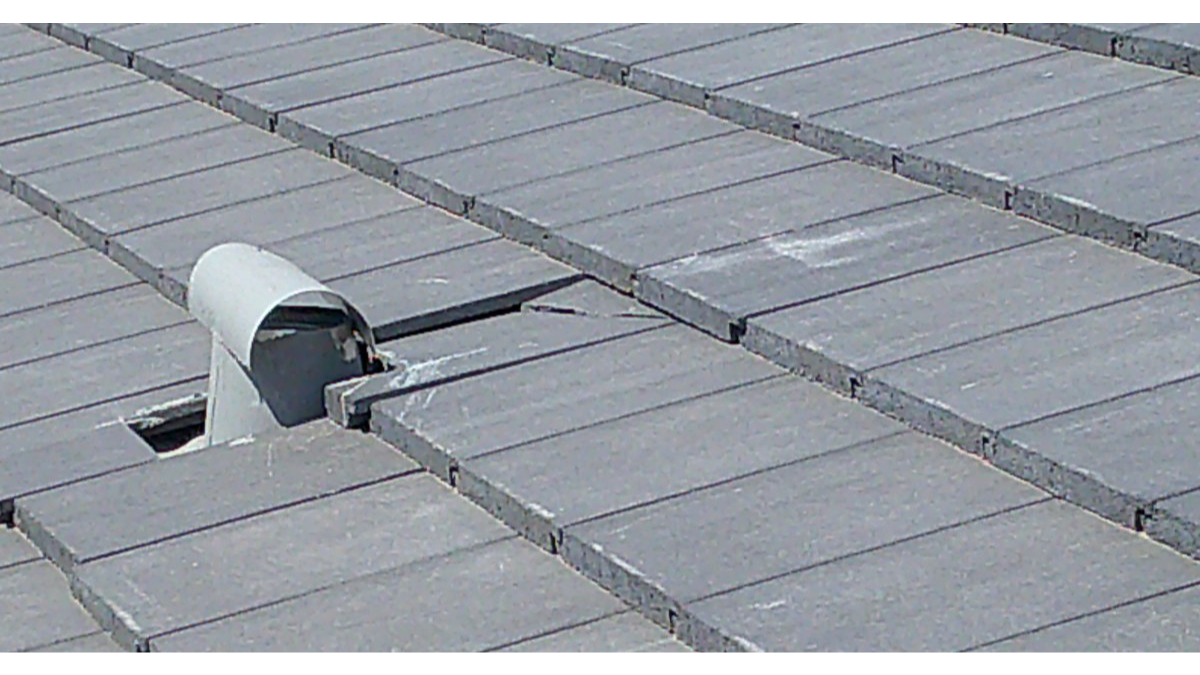
Flashing is the thin metal installed at roof joints, edges, valleys, and around features like chimneys and vents, and its entire job is to redirect water away from the parts of a roof most likely to leak. When flashing is installed correctly, it is nearly invisible and completely unremarkable. When it is installed poorly, it becomes one of the most common sources of water damage in new homes.
In some new builds, flashing is held in place with sealant instead of being properly integrated into the roofing system, which sets it up for early failure. Improperly sealed flashing joints leave gaps that let water seep in, and installers who do not account for how materials expand and contract in Arizona's extreme heat swings can end up with flashing that shifts out of place entirely. Flashing problems are notoriously hard to spot from the ground, and they often stay hidden until internal water damage has already taken hold.
Surprise's Boom Areas at Higher Risk
Not every neighborhood in Surprise carries the same level of risk. Areas experiencing the fastest growth near Loop 303, including Prasada, Sterling Grove, and North Copper Canyon, are where construction crews are working at the highest speed to keep up with demand. That pace is exactly why disconnected ducts, missing insulation, and roof flashing errors show up so often in these newer luxury communities.
Arizona's desert climate adds another layer of risk that buyers in these boom areas should understand. Extreme daily temperature swings cause building materials to expand and contract more aggressively than in milder climates, and monsoon season brings sudden moisture intrusion that exposes weak flashing and sealant work almost immediately. A home that looked perfect in June can start showing leaks after the first heavy monsoon storm in August. Buyers in these fast-developing pockets of Surprise benefit from paying closer attention during construction rather than waiting until problems surface on their own.
Three Inspection Points for New Homes
Catching defects early means checking a new home at the right moments, not just once at the very end. Waiting until move-in day to look for problems means many issues are already sealed behind walls or hidden under roofing material.
Pre-Drywall Inspection
Before the drywall goes up, the framing, wiring, plumbing, and duct runs are all still exposed and easy to examine. This is the single best opportunity to catch disconnected duct joints, missing insulation, or wiring mistakes while a fix is still simple and inexpensive. Once the walls close up, these same problems become far harder to find and far more disruptive to correct.
Final Walkthrough Inspection
The final walkthrough happens right before closing, giving buyers one more chance to catch anything the builder's own team missed. Anything flagged at this stage lands on the repair list before the keys change hands, which puts the responsibility for fixing it squarely on the builder rather than the new homeowner.
11-Month Builder Warranty Inspection
Most builder warranties cover workmanship issues for the first year only, which makes timing critical. Scheduling this inspection around month 10 or 11 after closing leaves enough time to put together a written list of concerns and send it to the builder before that one-year window closes for good. Homes built in fast-paced communities benefit the most from this step, since issues with ducts, insulation, or flashing sometimes take months of Arizona heat and monsoon storms to reveal themselves.
Independent Inspections Protect Buyers
An independent new construction inspection means a third-party inspector with no connection to the builder or local municipality takes a close look at the home, free of any conflict of interest. That distinction matters because a builder's own inspection team, however well-intentioned, is still working for the builder's interests first.
Desert State Home Inspections has served the West Valley since 1999, with inspectors working in Surprise on a daily basis, and understands the real difference between assessing a brand-new home in Sterling Grove and evaluating an older build in the Original Town Site. That local familiarity helps buyers get a clear, honest picture of a new home's condition before problems become expensive surprises.
For anyone preparing to close on a new build, scheduling a new construction inspection at each of the three key checkpoints offers the clearest path to catching disconnected ducts, flashing errors, and other hidden defects before they turn into costly repairs down the road.
Desert State Home Inspections
City: Peoria
Address: 7833 West Hearn Road
Website: https://www.desertstateinspections.com/
Phone: +1-480-585-6456


Comments
Post a Comment