Inclined Bed Therapy Benefits: Why You Should Build a Whole-Body Sleep Setup
Key Takeaways
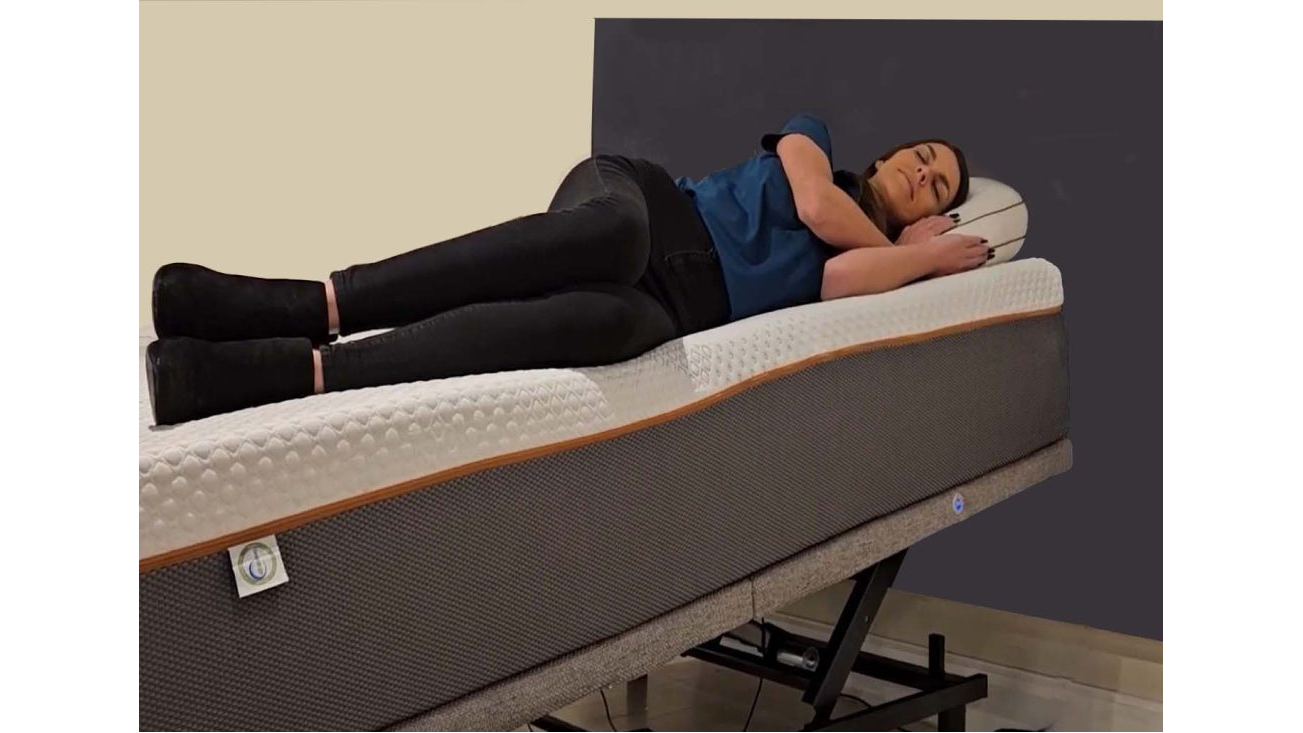
- A whole-body inclined bed setup raises the entire frame 6 to 8 inches at the head, creating a 5 to 8 degree slope that keeps the spine aligned from head to toe
- Research links inclined sleep to reduced sleep apnea severity, less snoring, eased acid reflux, and better circulation, though some benefits take weeks to appear
- Full-body tilt differs from head-only wedges, which can bend the neck and torso in ways that strain the spine instead of helping it
- DIY methods, from bed risers to custom frames, offer accessible ways to try a whole-body incline at home
- This article opens with why gravity, not just pillows, may be the missing piece in better sleep
Sleep advice usually focuses on mattresses, pillows, or bedtime routines. One idea that keeps resurfacing goes back many centuries and involves something far simpler: tilting the entire bed. Inclined bed therapy asks a basic question. What happens to the body when gravity gets to work on it all night long, instead of sleeping perfectly flat?
Raise Your Bed 6-8 Inches, Change Your Sleep
The core idea behind inclined bed therapy is refreshingly simple. Instead of adding a wedge pillow under the head or shoulders, the whole bed frame gets tilted so the head end sits 6 to 8 inches higher than the foot end. That gentle slope, often described as a 5 to 8 degree angle, creates a steady, whole-body incline rather than a bent-at-the-waist position.
This distinction matters more than it might seem. A pillow wedge only lifts the head and neck, which can actually crunch the airway and strain the neck over hours of sleep. A full-body tilt, by contrast, keeps the spine in a straight line from head to heel while still letting gravity assist circulation, digestion, and breathing.
Anyone curious about why a few inches of tilt could matter so much is really asking a question about physics and physiology working together. The following sections cover what it might do for your body - and how you can build a version of it at home.
How Gravity May Fix Common Sleep Problems
The appeal of inclined bed therapy comes down to one mechanism: gravity works with the body instead of against it. When the whole frame is tilted, fluids, airways, and digestive contents all respond to that slope differently than they do when lying completely flat.
May Ease Sleep Apnea and Snoring
Sleep apnea and chronic snoring both come from airway obstruction, often caused by the tongue or soft throat tissue relaxing back during sleep. Elevating the head and upper body can shift those tissues forward, keeping the airway more open and reducing how often breathing gets interrupted.
Research backs this up with some striking numbers. A 2017 study published in the journal Sleep and Breathing found that tilting the bed by just 7.5 degrees reduced the severity of obstructive sleep apnea by an average of 31.8 percent. A separate 2020 pilot study in Sleep Science and Practice found that snoring stopped completely in 67% of participants sleeping at a 20-degree incline, with a smaller share seeing the same result at a shallower 10-degree tilt. A 2022 study of self-reported snorers found that a 12-degree upper-body incline led to less snoring, fewer nighttime wake-ups, and a 5% increase in deep sleep.
May Reduce Acid Reflux and GERD
Acid reflux and GERD happen when stomach contents travel backward up the esophagus, something gravity actively resists when the upper body sits higher than the stomach. Sleeping on an incline uses that same gravity to help keep stomach contents where they belong, according to reporting from Medical News Today.
A 2021 review of clinical studies found that head-of-bed elevation significantly improved GERD symptoms and reduced nighttime awakenings tied to reflux, though the review also noted methodological and reporting limitations across the available literature. Because this mechanism is fairly direct and mechanical, many people notice improvement within days of adjusting their sleep angle, unlike some of the slower-developing circulatory benefits discussed further below.
May Boost Circulation and Relieve Back Pain
Blood circulation and spinal alignment both seem to respond well to a gentle, whole-body slope. Inclined sleeping may improve circulation by reducing blood pooling in certain areas and supporting venous return, which can ease the workload on the cardiovascular system overnight.
Spinal health benefits similarly. A slight incline can help the spine settle into a more neutral position, reducing pressure on discs and vertebrae that can build up when sleeping on a completely flat surface. That reduced pressure may translate into less lower back pain over time, particularly for people who already deal with chronic stiffness or discomfort upon waking.
Whole-Body Perks Beyond Better Breathing
Beyond easier breathing and better digestion, a whole-body incline touches several other systems at once. Lymphatic drainage is one example: better circulation paired with reduced fluid stagnation may help the lymphatic system clear waste more efficiently, supporting a healthier immune response over time.
Nasal congestion and sinus pressure also tend to respond to elevation, since gravity helps mucus drain more freely from the nose and sinuses instead of pooling and causing that stuffy, pressure-filled feeling. For pregnant women, whose obstructive sleep apnea symptoms often worsen as pregnancy progresses, an elevated sleep position can offer meaningful relief without medication.
A few less obvious benefits are worth mentioning too. Reduced pressure on the lungs may improve oxygen intake overnight, which matters for people managing conditions like COPD. Multiple clinical studies have also shown that elevating the head of the bed by 20 to 30 degrees reduces intraocular pressure compared to lying completely flat, with raising the whole bed head working better than stacking pillows, a detail relevant to anyone managing glaucoma. Many of the circulatory and deeper physiological benefits may take four to eight weeks of consistent inclined sleep to become noticeable, so patience matters as much as setup.
Building a Whole-Body Incline at Home
Understanding the benefits is one thing. Actually setting up a bed to deliver them is a separate, very practical question, and it comes down to choosing the right method and the right angle.
Full-Body Tilt vs. Head-Only Wedges
Two very different approaches get grouped under the same "sleep elevated" idea, and the difference between them matters quite a bit.
- Head-only wedges or stacked pillows raise just the head and shoulders, which can bend the neck and torso at an angle that puts strain on the upper spine and may even worsen airway restriction rather than easing it.
- Full-body tilt setups raise the entire bed frame from the head end, so the spine stays in a straight, neutral line from head to toe while the whole body benefits from the slope.
This is the central distinction inclined bed therapy relies on. Products that only lift the upper torso, sold widely in the marketplace, can offer some short-term relief, but a whole-frame tilt delivers the pressure-point-free, spine-aligned setup most inclined sleep advocates describe.
Recommended Incline: 5-8 Degrees or 6-8 Inches
Most guidance points to a fairly narrow, manageable range: a 5 to 8 degree incline, achieved by raising the head end of a standard bed frame by 6 to 8 inches. This range tends to strike a balance between meaningful gravitational benefit and a sleep angle that still feels comfortable enough to maintain night after night.
Building this setup does not require a total bedroom overhaul. Options range from simple to more involved:
- Bed risers or blocks placed under the legs at the head of the frame, a low-cost method many early adopters used before manufacturers caught on to the demand.
- DIY inclined bed frames, built from scratch with basic materials; one widely viewed DIY project came in at around $100 in total cost.
- Full-tilt adjustable frames, an increasingly available option as manufacturers respond to growing interest in whole-body incline functionality rather than the head-and-foot-only bend of traditional adjustable beds.
Whichever method gets chosen, the goal stays the same: a steady, whole-body slope rather than an angled kink at the neck or waist.
Elevating Your Bed Could Elevate Your Health
Inclined bed therapy connects an old, simple idea with a growing body of modern research. From easier breathing and reduced reflux to better circulation and spinal alignment, raising the entire bed frame by a few inches appears to influence far more of the body's overnight processes than most people would expect from such a small adjustment.
The practice does not demand expensive equipment or a complicated routine. It asks for a modest tilt, patience while the body adjusts, and a setup that lifts the whole frame rather than just a pillow under the head. For anyone ready to try it, exploring a few inclined bed setups is a practical first step toward finding the angle and method that fits a given bedroom and budget.
Incline Sleep
City: Glendale
Address: 4439 W Greenway Rd
Website: https://inclinesleep.com


Comments
Post a Comment