Heat Pump vs. Furnace: Sugar Land Experts Weigh In on the Right Fit For Homes
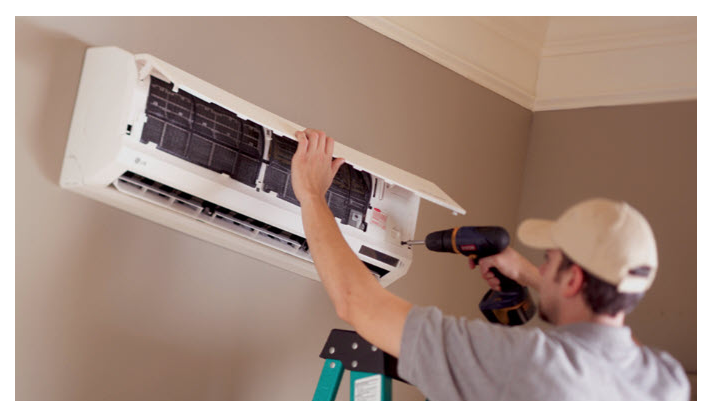
Homeowners often face a practical question when it's time to replace an aging HVAC system: should the new equipment be a heat pump or a furnace? The answer depends on local climate patterns, energy source availability, and long-term cost expectations. Understanding how each system works can help homeowners make a more informed decision.
How Each System Generates Comfort
A furnace produces heat through combustion, burning natural gas or propane, or using electric resistance coils to generate warmth distributed through ductwork. This process is direct: fuel or electricity is converted into heat, which is pushed into living spaces.
A heat pump operates differently. Rather than creating heat, it transfers existing heat from one place to another. In winter, it extracts warmth from outdoor air and moves it indoors. In summer, the process reverses, pulling heat from inside the home and releasing it outside, functioning much like an air conditioner. This dual capability means a single heat pump system can both heat and cool a home, eliminating the need for separate equipment.
Efficiency and Climate Considerations
Efficiency is one of the most significant differences between the two systems. Because heat pumps move heat rather than generate it, they typically produce more heating energy than the electricity they consume, often several times more efficient than a standard electric furnace. Gas furnaces, by comparison, lose some energy during combustion, though modern high-efficiency models have narrowed that gap.
Climate plays a central role in determining which system performs best. Heat pumps are generally well suited to regions with mild winters, since their efficiency can decrease as outdoor temperatures drop toward freezing. Sugar Land's climate, marked by short, mild winters and long, humid summers, aligns closely with conditions where heat pumps tend to perform reliably year-round. Furnaces, meanwhile, are often favored in colder climates where sustained freezing temperatures make combustion heating more practical.
Cost Factors to Weigh
Upfront installation costs and long-term operating expenses both factor into this decision. Furnaces, particularly gas models, often have lower initial installation costs and can work well with existing ductwork already in place in many homes. However, ongoing fuel costs and combustion-related maintenance can add up over time.
Experts from Colley Refrigeration, serving Sugar Land, TX, explain that heat pumps may carry a higher initial investment, but their dual-function design and energy efficiency can lead to lower monthly utility bills, especially in regions where extreme winter cold is uncommon. Homeowners should also account for potential rebates or incentives tied to energy-efficient equipment, which can offset some of the upfront cost difference.
Environmental Impact
For homeowners weighing environmental considerations alongside cost and comfort, the difference between these systems becomes more pronounced. Because heat pumps run on electricity and avoid on-site combustion, they generally produce fewer direct emissions than gas furnaces. As electricity grids incorporate more renewable energy sources, the environmental advantage of heat pumps continues to grow, making them an increasingly common recommendation in areas focused on reducing household carbon output.
Making the Right Choice for Your Home
There is no universal answer to the heat pump versus furnace debate. The right choice depends on a home's specific circumstances, including insulation quality, existing ductwork, local utility rates, and how a household prioritizes upfront cost against long-term efficiency. Homes with natural gas access may find furnaces a reliable and familiar option, particularly in areas with more variable winter temperatures. Homes prioritizing energy efficiency, dual heating and cooling capability, and lower emissions may find heat pumps a stronger long-term fit.
For Sugar Land homeowners specifically, the region's climate profile, mild winters paired with demanding summer cooling needs, tends to favor systems capable of handling both functions efficiently. Consulting with a qualified HVAC technician who understands local climate patterns can help determine the right size and setup for a given home.
Long-Term System Performance
Beyond the initial decision, homeowners should consider how each system holds up over time. Regular maintenance, including filter changes, coil cleaning, and seasonal inspections, plays a significant role in extending equipment lifespan regardless of which system is installed. Both heat pumps and furnaces require consistent upkeep to maintain their advertised efficiency ratings, and neglecting maintenance can lead to higher energy bills and premature system failure.
Colley Refrigeration
City: Clute
Address: 621 Brazosport Blvd N
Website: https://colleyrefrigeration.com/
Phone: +1 979 491 9570
Email: info@colleyrefrigeration.com


Comments
Post a Comment