Excision vs Ablation for Endometriosis: Procedures & Long-Term Outcomes Compared
Key Takeaways
- Excision surgery removes endometriosis lesions at their roots, while ablation only burns or lasers the visible surface, often leaving disease behind
- Reoperation rates after excision at experienced centers are generally reported between 5% and 20% over comparable follow-up periods, though recurrence across the broader literature ranges from roughly 10% up to well beyond that figure in some studies
- Ablation of deeper disease has been linked to recurrence rates starting around 40% within two years, with overall reported recurrence after ablation climbing substantially higher across the broader literature
- Excision is currently the only way to definitively diagnose endometriosis because it provides tissue for pathology review
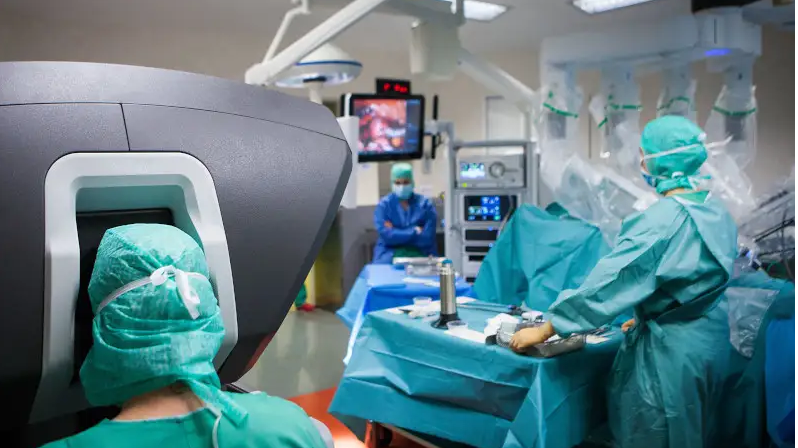
- Robotic excision technology, including 3-D vision and wristed instruments, plays a growing role in treating complex or deeply invasive disease
Deciding how to treat endometriosis surgically can feel overwhelming, especially when two procedures sound similar but produce very different long-term results. Excision and ablation are both performed through small incisions during minimally invasive surgery, yet they approach the disease in fundamentally different ways. Understanding that difference can shape whether pain returns in a few years or stays away for good.
Why Surgical Choice Determines Lasting Relief
Endometriosis extends far deeper than surface-level disease. The tissue that causes pain, scarring, and fertility struggles often burrows beneath what a surgeon can see with the naked eye, so the technique used to remove it matters just as much as the decision to operate in the first place. Two women with the same diagnosis can walk out of surgery with very different futures depending on whether their surgeon removed the disease completely or simply treated what was visible on the surface.
This is why surgical choice deserves careful thought rather than a rushed decision made in a pre-op consultation. Patients considering surgery and advanced excision are often surprised to learn that not all "endometriosis surgery" accomplishes the same goal. The rest of this guide breaks down how excision and ablation differ, what the research shows about recurrence and fertility, and what to ask when choosing a surgical team.
What Sets Excision and Ablation Apart
Both procedures aim to reduce pain and improve quality of life, but they take opposite approaches to the same disease. One removes the problem at its source. The other treats only what sits on top.
Excision: Removing Disease at Its Roots
Excision surgery works by carefully coring out diseased tissue rather than treating only its surface. Surgeons use cold scissors, along with calculated or spot cautery to keep the surgical field clear of blood, to cut endometriosis lesions out completely, including the deeper tissue that hides beneath the visible surface. Because the diseased tissue is physically removed rather than destroyed in place, it can be sent to a pathology lab for confirmation, which is why excision remains the only way to definitively diagnose endometriosis.
This complete removal approach also matters for delicate areas near the bowel, ureters, or bladder, where precision determines whether an organ stays healthy or gets injured. Excision is widely regarded as the gold standard for treating endometriosis specifically because it addresses disease at the root rather than treating only the top layer.
Ablation: Surface Treatment With Limits
Ablation uses heat, laser, or electrical energy to burn away visible lesions, similar to sanding down a rough patch instead of removing it entirely. The technique can appear effective in the operating room because visible spots disappear, but endometriosis often behaves like an iceberg, with the bulk of the disease sitting below what the eye can detect. Since ablation only reaches the surface, deeper infiltrating tissue frequently survives the procedure and continues causing pain.
Ablation also carries some technical drawbacks worth knowing about. Because it destroys tissue rather than removing it, there is no specimen to send for pathology, so diagnosis depends entirely on how the lesion looks to the surgeon in the moment. This method can also increase scarring in the treated area, which may complicate healing and future pain management. Reported complications include accidental injury to the uterus, thermal damage to nearby organs, infection, and bleeding.
Recurrence Rates Tell the Real Story
Numbers matter when weighing surgical options, and the recurrence data paints a telling picture. Reoperation rates after excision performed at experienced centers are generally reported between 5% and 20% over comparable follow-up periods, though recurrence figures across the broader body of research vary widely, starting around 10% and extending well beyond that in some study populations depending on follow-up length. Ablation of deeper disease has been associated with recurrence rates starting around 40% within two years, and overall reported recurrence after ablation runs considerably higher across the wider literature.
For ovarian endometriomas specifically, a 2024 Cochrane review found that at one year, recurrence occurred in 37% of women treated with ablative techniques, compared with 5% to 17% following excisional surgery.
That gap makes sense once the biology is understood. Since ablation cannot reliably eliminate deeper disease, lesions have a foundation to regrow from. Excision aims to leave no root behind, which is the mechanism believed to drive its lower recurrence numbers. At least one retrospective study on peritoneal (surface) endometriosis found similar long-term pain and pregnancy outcomes between the two techniques, suggesting that surgeon skill and an individualized approach also play a meaningful role in results, particularly for more superficial disease.
Fertility and Pain Outcomes Compared
For women trying to conceive, the surgical approach can influence more than pain levels. Excision may improve the chances of pregnancy by removing endometriosis at its source and helping restore normal pelvic anatomy, especially when the ovaries, fallopian tubes, or uterus have been affected by scarring or endometriomas. For ovarian endometriomas specifically, excisional cystectomy is generally preferred over ablative or drainage methods when fertility is a priority, since ablation does not remove the underlying glandular tissue responsible for cyst regrowth.
Pain outcomes follow a similar pattern. Complete excision of deep infiltrating endometriosis has been shown to meaningfully improve associated pain and overall quality of life. Research also points to better long-term pain control with excision compared with ablation, with women reporting more durable relief by the two-year mark. For someone facing years of chronic pelvic pain, that durability can mean the difference between one surgery and several repeat procedures.
Why Robotic Excision Raises the Standard
Technology has changed what is possible during excision surgery, particularly in cases where the pelvis is scarred, distorted, or involves multiple organs. Robotic-assisted platforms give surgeons tools that standard laparoscopy simply cannot match, which becomes especially valuable when disease sits near the bowel, bladder, ureters, or uterosacral ligaments.
3-D Vision, Wristed Precision, and Firefly Technology
Standard laparoscopy relies on flat, two-dimensional screens, which can make depth perception difficult during delicate dissection. Robotic systems restore true 3-D vision and magnify the surgical field, allowing surgeons to distinguish tissue layers that sit only millimeters apart. Instruments also move with wrist-like rotation instead of the rigid, straight-stick motion of traditional laparoscopic tools, giving far greater control in tight or heavily scarred areas.
Many robotic platforms also include Firefly Technology, which uses special dye to highlight blood supply during surgery. This helps confirm that diseased tissue has been fully removed while surrounding structures, like the ureters or bowel wall, remain protected. Together, these features are why robotic excision offers real technical advantages when operating in anatomically complex locations such as the rectovaginal septum or areas adjacent to major organs.
Recovery Timeline After Robotic Excision
Recovery after robotic excision tends to follow a fairly predictable path. Most patients can return home within a day of surgery, begin walking comfortably within about a week, and resume light daily activities within one to two weeks. Full recovery generally takes around four to six weeks, though many patients feel significantly better well before reaching that point.
The first menstrual cycle after surgery is often the hardest part of recovery, bringing heavier bleeding and more intense cramping than usual. This typically eases by the second cycle, with more noticeable improvement over the following three to six months. Smaller incisions and reduced trauma to the abdominal wall also mean many patients need little to no narcotic pain medication after leaving the hospital.
When Ablation Simply Cannot Reach Disease
Some cases of endometriosis make the choice between excision and ablation less about preference and more about physical necessity. When disease has invaded the bowel wall, bladder, ureters, or rectovaginal septum, ablation cannot safely reach or treat it, leaving excision as the only viable surgical option. Attempting to burn disease in these locations risks thermal injury to organs that need to keep functioning normally for the rest of a patient's life.
Deep infiltrating endometriosis, in particular, tends to grow more than a few millimeters below the tissue surface, tethering or narrowing nearby structures in ways that surface-level treatment cannot address. This subtype often shows up with symptoms that seem unrelated to gynecology at first, such as bowel pain, urinary discomfort, or nerve-type pelvic pain, which makes an accurate surgical diagnosis even more important. In these more complex scenarios, thorough excision is not simply the preferred option; it is often the only one capable of protecting both organ function and long-term relief.
Choosing a Surgeon Trained for Complex Excision
Not every surgeon who performs endometriosis surgery has the same level of training in complex excision. General gynecologists complete residencies that include limited exposure to advanced excision, and many rely more heavily on ablation or medical management with hormonal drugs rather than surgical removal. Reproductive endocrinologists specialize in fertility treatments like IVF rather than excision surgery, and while general surgeons, colorectal specialists, or urologists bring valuable expertise in their own organs, they typically are not trained in the gynecologic nuances of endometriosis itself.
Some gynecologists pursue additional fellowship training focused specifically on minimally invasive excision, which can meaningfully improve surgical skill, though program length and depth of training in bowel, urinary tract, or retroperitoneal surgery vary widely. Gynecologic oncologists complete some of the most rigorous pelvic surgery training available, since their fellowship includes bowel, bladder, and ureter procedures performed during cancer surgery, skills that translate directly to complex, invasive endometriosis. Dr. Steven Vasilev, lead physician at the Lotus Endometriosis Institute, is board-certified in Obstetrics & Gynecology, Gynecologic Oncology, Integrative Medicine, and Integrative & Holistic Medicine, and combines gynecologic oncology training with decades of multidisciplinary surgical experience focused on endometriosis excision, illustrating the kind of background that matters most when disease is extensive or has recurred after a previous surgery.
When researching a surgical team, it helps to ask specific questions rather than general ones. Consider asking:
- How many years of dedicated training does the surgeon have in bowel, bladder, or ureteral dissection?
- Does the practice use excision as the default approach, or reserve it only for the most severe cases?
- What percentage of the surgeon's cases involve deep infiltrating or multi-organ disease?
- Is a coordinated surgical team truly available together during complex procedures, or assembled case by case?
The Evidence Favors Complete Excision
Taken together, the research points in a consistent direction. Excision surgery offers lower recurrence rates, better long-term pain control, improved fertility potential in many cases, and the ability to reach disease that ablation cannot safely treat. Ablation still has a place in gynecologic practice and continues to be considered standard treatment by many providers, but its limitations become clear once the goal shifts from short-term symptom relief to lasting results.
For anyone weighing surgical options, understanding this distinction is the first step toward making an informed decision alongside a qualified surgical team. Learning more about advanced excision techniques can help clarify what a thorough, root-level approach to endometriosis surgery actually involves before committing to a procedure.
Lotus Endometriosis Institute
City: Arroyo Grande
Address: 154 Traffic Way
Website: https://lotusendo.com


Comments
Post a Comment