EV Charger Installations: Why Using A Qualified Electrician Matters
Key Takeaways:
- Home EV charger installation is a specialized electrical task - not a standard job any licensed electrician is automatically equipped to handle.
- Improper installation creates real risks: electrical fires, voided warranties, insurance gaps, and permit violations that can complicate a home sale.
- The National Electrical Code (NEC) has specific rules for EV charging circuits, including 125% load sizing and GFCI requirements, that require up-to-date, EV-specific training.
- Mister Sparky Fort Wayne provides qualified electrical expertise for homeowners who need EV charger installation done correctly.
- Understanding the difference between hardwired and plug-in charger installations - and what each demands from your home's electrical system - could save you thousands in repairs or liability.
Home EV Charging Is a Specialized Electrical Job
Getting an electric vehicle is exciting. For most new EV owners, the next question is immediate: How do I charge it at home without running to a public station every few days? That question leads straight to a home EV charger - and straight to a phone call with an electrician.
Here's where things get complicated. EV charger installation differs significantly from wiring a light fixture or swapping out an outlet. A Level 2 home charger operates on a 240-volt dedicated circuit and runs continuously for 4 to 10 hours at a time, drawing more sustained power than nearly any other device in the home. That kind of demand requires a skill set that goes well beyond a general electrical license.
The Technical Gap Many Electricians Don't Know Exists
A general electrician is skilled at general electrical work. The problem is that EV charging introduces a set of code requirements and load conditions that even experienced electricians can miss without specific training on them.
Wire Gauge and Breaker Sizing Mistakes
One of the most common - and dangerous - errors is undersized wiring. For a 48-amp EV charging circuit, for example, #6 Romex wire falls short of NEC requirements for continuous loads at that amperage, yet a generalist unfamiliar with EV-specific rules might not catch that. Breaker sizing follows a similar logic: because EV chargers are classified as a continuous load, the NEC requires the circuit to be sized at 125% of the charger's rated amperage. That means a 40-amp charger needs a 50-amp breaker, and an 80-amp charger needs a 100-amp breaker. Undersizing that breaker creates a real overload risk.
Panel Capacity and Load Calculations
Older homes frequently have 60- or 100-amp electrical panels that weren't built with EV charging in mind. Adding a Level 2 charger to an already-loaded panel without a proper load calculation risks tripped breakers at best and panel failure at worst. A qualified installer performs that calculation before recommending any equipment or starting any work - and will flag whether a panel upgrade is necessary from the outset.
GFCI Code Updates and Nuisance Tripping
Recent NEC updates require GFCI protection on new NEMA 14-50 outlet installations. The catch: GFCI-protected outlets are prone to nuisance tripping when paired with EV chargers, meaning the charger cuts out unexpectedly mid-session. A certified installer understands how to handle this requirement correctly, whether through a specific GFCI configuration or by recommending a hardwired setup that avoids the issue entirely.
What Improper Installation Actually Costs
The risks of cutting corners on EV charger installation aren't abstract. They translate into real financial and safety consequences that can linger long after the job is done.
Fire Risk from Continuous High-Current Loads
Standard outlets and wiring weren't designed for the sustained, high-current draw an EV charger produces night after night. Wire and connections expand and contract with each heating and cooling cycle. Over time, that thermal cycling loosens connections - and a loose connection on a 240-volt, 40-amp circuit isn't a flickering light. Electrical safety authorities have consistently identified improper installation of high-current equipment as a leading contributor to residential electrical fires, and EV charging circuits are no exception.
Warranty and Insurance Exposure
Most EV charger manufacturers and automakers strongly recommend professional, code-compliant installation by a qualified electrician to maintain product warranty coverage. An installation that doesn't meet those standards - even one performed by a licensed-but-untrained electrician - can put that coverage at risk. Homeowner's insurance policies may also exclude damages resulting from electrical work done without proper permits or by unqualified individuals. A fire traced back to an improperly installed charger could leave the homeowner fully exposed financially.
Permit Violations and Resale Complications
Installing a new EV charging circuit almost always requires a permit. Skipping that step doesn't just create a code violation - it shows up during home inspections. A cost-saving shortcut can turn into a costly remediation requirement at the time of sale, potentially delaying closing or reducing the sale price.
Hardwired vs. Plug-In: The Choice That Changes the Risk
One of the first decisions in any home EV charger installation is whether to go hardwired or use a plug-in charger connected to a NEMA 14-50 outlet. Each approach carries different risks and limitations.
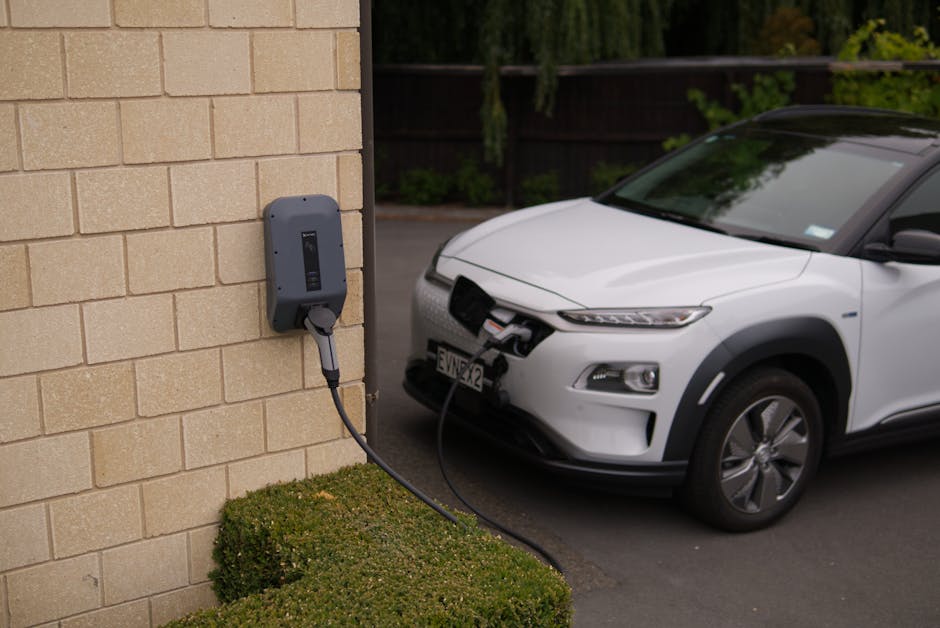
Hardwired chargers connect directly to the home's electrical panel with no outlet in between. This eliminates a potential failure point, supports higher amperage output (up to 80 amps), and is considered the preferred choice for permanent home installations. There's no plug to degrade over thousands of charge cycles.
Plug-in chargers offer portability - useful for EV owners who travel and want to bring their charger along. They are capped at 32 to 40 amps, and the outlet itself must be commercial-grade and installed correctly to hold up to continuous EV charging use. Given the GFCI requirements tied to NEMA 14-50 outlets, many certified installers now lean toward recommending hardwired setups to avoid nuisance tripping issues altogether.
The critical point: choosing a plug-in charger does not make installation simpler or safer to hand off to just anyone. The outlet installation carries the same risks and code requirements as a hardwired job.
What a Certified EV Installer Does Differently
There's a meaningful difference between a licensed electrician and a certified EV charger installer - and that difference matters more than most homeowners realize.
EVITP Certification and NEC-Specific Training
The Electric Vehicle Infrastructure Training Program (EVITP) provides specialized training and certification specifically for EV charger installation. EVITP-certified electricians are trained on the latest NEC requirements for EV charging circuits - including GFCI rules, continuous load sizing, and wire gauge specifications - that general licensing programs don't cover in depth. This is why qualified electricians with EV-specific expertise are recommended by automakers and charger manufacturers over general contractors who may lack that background.
Panel Assessment Before Any Work Begins
A certified EV installer doesn't show up and start running wire. The job starts with a thorough panel assessment and load calculation to confirm the home's electrical system can safely handle the new load. From there, the installer selects the correct wire gauge, breaker size, and outlet type for the specific charger and home setup - and pulls all required permits, managing the inspection process from start to finish. For NEMA outlet installations, a qualified installer will also advise on the risks of thermal cycling and connection loosening over time, and may recommend periodic checks as part of responsible long-term ownership.
Trust a Qualified Fort Wayne Electrician for Your EV Charger
Home EV charging is only going to become more common. As EV adoption grows, so does the number of homeowners facing this exact decision - and the number of installations handled by electricians who aren't fully prepared for the job's specific demands.
The right installer performs a panel assessment before quoting a price, pulls the proper permits, knows the current NEC code requirements, and selects equipment suited to the home's actual electrical capacity. That level of preparation is the difference between a safe, warranty-valid, insured installation and one that creates compounding problems for years to come.
Mister Sparky Fort Wayne
City: Fort Wayne
Address: 3404 Metro Park Drive North
Website: https://www.mistersparky.com/fort-wayne/


Comments
Post a Comment