Common Furnace Problems: TX Pros Share Warning Signs & How to Fix
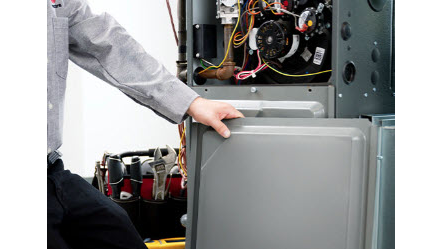
Furnaces in The Woodlands, TX face a different set of demands than those in colder regions. With short, mild winters, many systems run for only a portion of the year, sometimes just a few hundred hours annually. This irregular usage pattern, combined with regional humidity, can create wear patterns and potential failure points that differ from what homeowners in northern climates typically encounter. Recognizing these warning signs early and scheduling professional furnace repair in The Woodlands, TX can help keep your heating system operating reliably when temperatures drop.
Uneven Heating Between Rooms
Local technicians frequently point to uneven heating as one of the most common complaints they receive, where some rooms stay comfortably warm while others remain noticeably cooler. This can stem from several sources, including blocked or leaking ductwork, a poorly calibrated or misplaced thermostat, a blower motor that isn't circulating air effectively, or a furnace that doesn't match the home's size or layout. In homes with zoned systems, a stuck or damaged damper can also restrict airflow to specific areas. Because the possible causes vary, professionals generally recommend a full inspection rather than guessing at a fix.
Unusual Sounds During Operation
A furnace that begins making banging, rattling, popping, or whistling sounds is signaling an internal change worth investigating.
Banging or popping is often linked to delayed ignition, where gas accumulates briefly before igniting. Rattling can point to loose panels, screws, or duct connections. Whistling is frequently tied to restricted airflow, commonly caused by a clogged filter or blocked vent. While some sounds are minor, others, especially new, loud, or unfamiliar noises, can indicate a developing safety concern that shouldn't be ignored.
Rising Energy Costs Without a Change in Use
When energy bills increase without a corresponding change in thermostat settings or household habits, it could mean that the furnace is often working harder than it should to produce the same amount of heat.
Dirty filters, dust-covered coils, and aging internal components are common contributors. Since efficiency naturally declines as a furnace ages, particularly as it nears the end of its expected lifespan, rising costs are frequently cited as one of the earliest indicators that a system needs attention.
Frequent On and Off Cycling
Furnaces that cycle on and off more often than expected, a pattern known as short cycling, are commonly linked to airflow restrictions, a failing thermostat, or a flame sensor that isn't reading correctly. Experts from Happy Air, The Woodlands, TX, note that short cycling not only makes it harder to maintain a stable indoor temperature, but also adds extra strain on internal components, which can shorten the system's overall lifespan if the underlying cause isn't addressed.
Pilot Light and Ignition Trouble
Gas furnaces depend on a functioning pilot light or electronic ignition system to generate heat. A pilot light that won't stay lit, or an ignition system that fails intermittently, often traces back to a dirty or misaligned flame sensor, a faulty thermocouple, or debris near the burner assembly. Because these components are directly tied to gas flow and combustion, ignition issues should be evaluated by someone trained in furnace safety systems rather than addressed independently.
Weighing Repair Against Replacement
When multiple warning signs appear at once, homeowners are often left deciding whether a repair will resolve the issue or whether the furnace is nearing the end of its service life. Most gas furnaces last between fifteen and twenty years with regular maintenance, and systems approaching that range tend to experience more frequent issues as components wear down together.
HVAC professionals generally recommend a full diagnostic assessment in these situations, since it can clarify whether a targeted repair will restore reliable performance or whether ongoing repairs are likely to become a recurring cost over time.
Happy Air Heating & Air Conditioning
City: Magnolia
Address: 8919 Carraway Ln
Website: https://happyairhvac.com/
Phone: +1 281 330 2484
Email: happyairhouston@hotmail.com


Comments
Post a Comment