Can You Sell Land Without Access? A Guide for Sellers & What to Expect
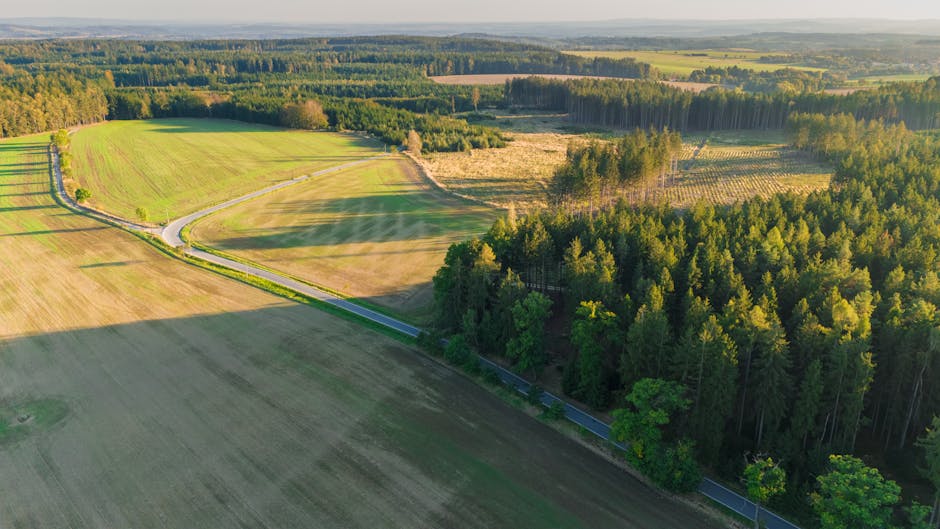
What Does It Mean If Land Has No Road Access?
If you own land with no legal way in from a public road, you are dealing with what real estate professionals call a landlocked parcel. Your property is surrounded by other owners' land, and there is no recorded right of way letting you cross it to reach a road, even if a path already exists on the ground.
Why This Problem Comes Up So Often
This situation is more common than you might expect, and it usually traces back to how a larger tract was divided years ago. When land gets split into smaller lots, the paperwork does not always preserve a right of way for every parcel. Land Avion notes that parcels affected this way are still usable and can still attract buyers who purchase land in this condition.
The Land Market By The Numbers
The wider land market gives useful context here. According to a 2026 analysis from Realtor.com's economic research team, the nationwide inventory of land listed for sale has reportedly fallen by 24% since 2019, even as land prices per acre have continued climbing over roughly the same period. Fewer parcels on the market generally means each one, access issues included, gets closer scrutiny from buyers.
Why Lenders And Insurers Hesitate
Within that tighter market, a lack of legal access is one of the biggest red flags a buyer or lender can find on your parcel. Banks are typically reluctant to finance a purchase without proof of a permanent right of way, and title insurers often will not issue a policy either. That combination rules out most conventional buyers before they even make an offer.
Establishing Access: Easement By Necessity
You do have options for establishing legal access, though none happen overnight. An easement by necessity can sometimes be granted by a court when a parcel was created without preserving access, though you generally must prove the access was lost through no fault of your own. Negotiating directly with a neighboring owner is often quicker and less costly than pursuing one through the courts.
Establishing Access: Prescriptive Easements
A prescriptive easement is another route you may come across. It can apply if a route across neighboring land has been used openly and continuously for a long period, often measured in years rather than months. The exact rules vary by state, so confirm your local requirements with a real estate attorney before committing time or money to any legal process.
Watch For Utility Easements Too
Utility easements deserve a mention too, since your land may be crossed by overhead power lines or a buried pipeline carrying its own restrictions, even when road access is not the issue. These easements usually limit what you can build in that section of the property, and can affect how a lender or buyer views the parcel, so check for them alongside access questions.
Selling The Land As Is
If pursuing legal access is not practical for your situation, selling the land as is remains realistic. Being upfront about the access status in any listing saves time for everyone involved, and it helps to have your county records and any informal access arrangements documented before talking to potential buyers, since some buyers specifically look for these harder-to-place parcels.
Weighing Your Options
Weighing the cost of pursuing an easement against a straightforward sale comes down to how long you are willing to wait and what the land means to you. Some owners find that working with a specialist who buys land regardless of its access situation is a practical way to finalize a sale. Either path can work with a clear picture of where your parcel stands.
Land Avion, LLC
City: Las Cruces
Address: 2521 North Main Street
Website: https://landavion.com


Comments
Post a Comment