Are Wasp Nests Dangerous? Virginia Experts Explain Risk & Control Methods
Key Takeaways
- There is no completely safe way to eliminate a wasp infestation without professional help, no matter how small the nest looks
- Worker honeybees have barbed stingers that get stuck in skin and can only sting once, while wasps have smooth stingers that let them strike again and again
- Common tricks like spraying, fire, water, or a baseball bat often miss the queen or push the colony deeper into walls instead of solving the problem
- Professional treatment identifies hidden risk areas beyond the visible nest, covered in more detail further down
- Sealing entry points, securing trash, and managing fallen fruit or bird feeders are simple habits that help keep wasps from coming back
Wasps are far more resilient than most people expect, and homeowners who spot a nest often reach for a can of spray before thinking through what happens next. That instinct is understandable, but wasp colonies do not respond to quick fixes the way other household pests might. Understanding why DIY removal so often fails is the first step toward handling an infestation safely and permanently.
No Safe Way to Remove Nests Alone
Wasp nests are not simple targets sitting out in the open waiting to be knocked down. They are the center of an entire colony, sometimes housing a queen and thousands of worker wasps, and in some cases far more, all working together to defend their home. Once that colony senses a threat, every wasp inside can mobilize at once, and a homeowner standing on a ladder with a broom or a spray can has almost no way to control that response.
Virginia-based pest control experts from Connor's Pest Pros explain that there is no completely safe way to eliminate a wasp infestation on your own. Even careful, well-prepared attempts can go wrong in seconds. Nests that look manageable from a distance are rarely as simple as they appear once treatment begins.
Wasps Fight Back Hard
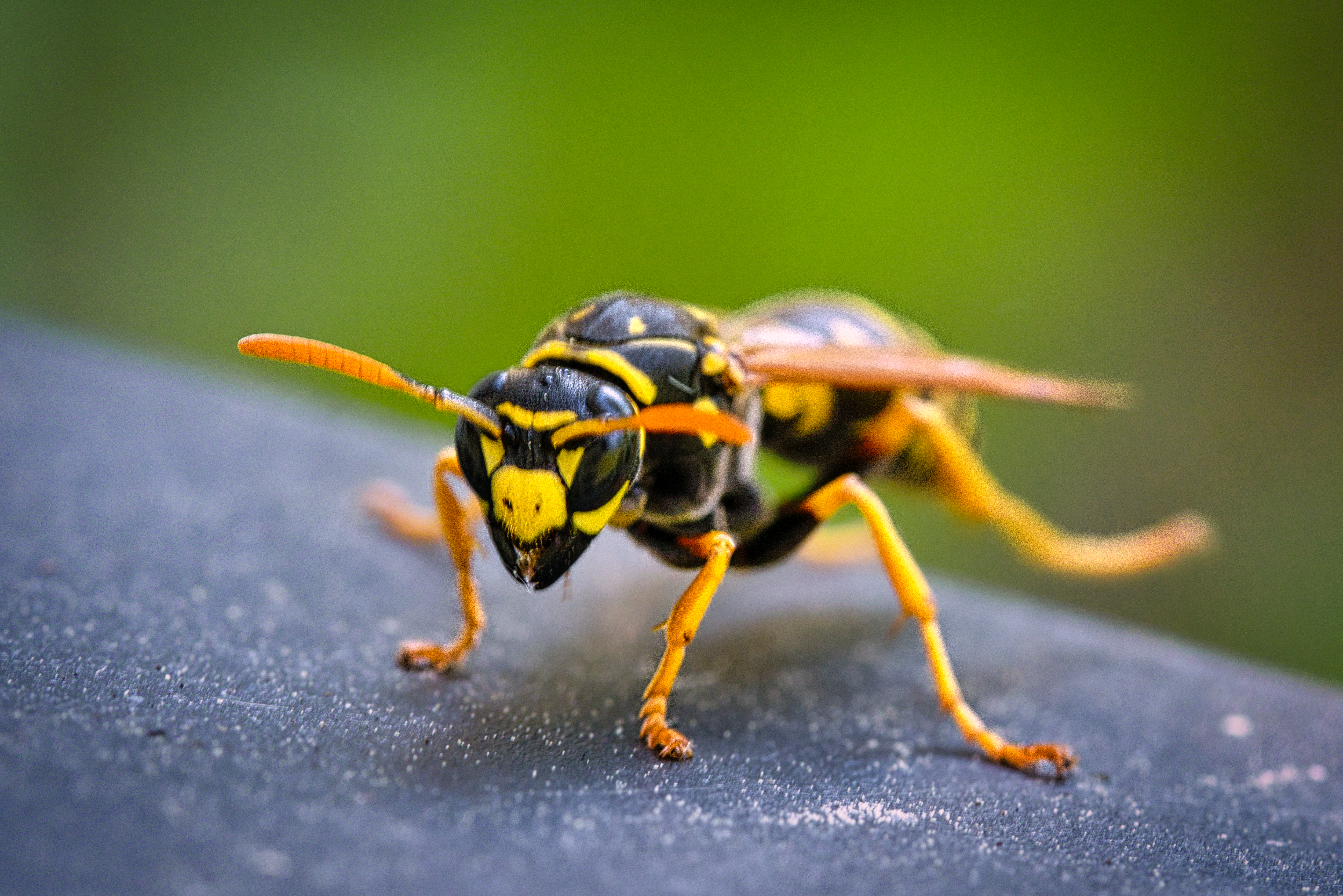
Wasps do not go down without a fight, and their biology gives them a serious advantage over anyone trying to remove them by hand. Unlike many insects that sting once and retreat, wasps can sting repeatedly, and a disturbed colony can turn a five-minute DIY job into a genuine medical emergency.
Smooth Stingers Let Wasps Strike Repeatedly
Female worker honeybees have barbed stingers that get stuck in skin, so a worker bee can only sting once before it dies. Wasps have smooth stingers with no barb, letting them pull free and strike again and again without harm to themselves. A single agitated wasp can deliver several stings before a person even manages to step back, and a whole nest of them multiplies that risk considerably.
Swarm Attacks and Severe Reactions
Wasps can attack in swarms once the colony senses its nest is under threat, turning one disturbed wasp into a coordinated group response. Multiple stings raise the amount of venom entering the body at once, and that increased dose can trigger severe reactions, including anaphylaxis and difficulty breathing, even in people who have never shown signs of a wasp allergy before. That risk alone is reason enough to think twice before climbing a ladder toward an active nest.
Common DIY Methods Backfire
Store shelves are full of products that promise an easy end to a wasp problem, and plenty of homeowners try improvised tricks passed down from neighbors or found online. Most of these approaches address only the surface of the problem, or create new hazards that are worse than the original nest.
Sprays Miss the Queen
Over-the-counter wasp sprays often only reach the wasps flying near the surface of the nest, leaving the queen and the deeper chambers untouched. Since the queen produces new workers, a colony that survives a spray treatment can rebuild its numbers within days. Homeowners who think the problem is solved often find themselves facing a more defensive colony a short time later.
Fire and Water Tactics Turn Deadly
Some DIY advice suggests burning a nest with fire or petrol, but nests are built from wood fibers and saliva that catch flame easily, creating a real risk of property fires and severe burns. Others try blasting a nest with a garden hose or knocking it down with a baseball bat, hoping the impact will scatter or drown the colony. Both tactics put the person swinging the bat or holding the hose directly in range of a colony that is now thoroughly provoked and ready to defend its home.
Disturbed Nests Retreat Deeper Into Walls
A partially successful DIY attempt can be worse than no attempt at all. Pest professionals note that when a nest is disturbed but not fully eliminated, surviving wasps sometimes retreat deeper into wall voids, attics, or crawl spaces, rebuilding in places that are much harder to reach. What started as a visible nest under the eaves can turn into a hidden infestation inside the walls of a home, where escape routes are limited and wasp activity intensifies whenever the area is disturbed again.
What Professionals Do Differently
Pest control technicians approach a wasp colony with a completely different mindset than a homeowner armed with a spray can. Training, equipment, and experience change the entire process from start to finish.
Reading Colony Behavior for Complete Removal
Accurately identifying the wasp species and understanding its behavior patterns is a key part of choosing the right treatment method. Trained technicians understand how different colonies react to disturbance, where queens tend to position themselves within a nest, and how to time treatment for when wasps are least active. That knowledge makes complete removal possible instead of just knocking down the visible part of a nest.
Protective Gear and Heavy-Duty Equipment
Most home garages are not stocked with what is needed to handle an active wasp colony safely. Pest control technicians typically wear beekeeper-style suits, thick gloves, and masks, paired with heavy-duty, long-range equipment designed to treat a nest from a safe distance. That combination of protective gear and specialized tools is a major reason professional treatment carries far less risk of stings than a DIY attempt.
Spotting Hidden Risk Areas Beyond the Visible Nest
A visible nest by the front door is rarely the whole story. Trained technicians check attics, rooflines, sheds, and wall voids for secondary nests or entry points a homeowner would likely miss. Identifying every at-risk area of a property, including the obvious nest, allows for a thorough treatment rather than a partial one.
Stopping Wasps From Returning
Removing an existing nest solves the immediate problem, but preventing new colonies from settling in takes ongoing attention. A few consistent habits make a property far less appealing to wasps looking for a new home.
Sealing Entry Points and Trash
Wasps are drawn to easy shelter and easy food, so cutting off both is a smart place to start. Homeowners can reduce their risk by taking a few simple steps:
- Keep trash in sealed, tightly closed containers rather than open bins.
- Seal cracks, gaps, and openings around a home's exterior, especially near rooflines and vents.
- Check window screens and door seals for small gaps that could let wasps build a nest indoors.
Managing Fallen Fruit and Bird Feeders
Food sources scattered around a yard can attract wasps just as easily as an open trash can. Picking up fallen fruit from trees promptly removes a food source that draws wasps into a yard in the first place. Bird feeders are worth a second look too, since spilled seed and sugary nectar mixes can pull wasps toward the same areas where children and pets play. Moving feeders farther from the house, or removing them during peak wasp season, cuts down on one more reason for a colony to move in close.
DIY Removal Rarely Solves the Problem
Taking on a wasp nest alone might feel like the faster, cheaper option in the moment, but the risks tend to outweigh any savings. Between the danger of repeated stings, the chance of a botched removal driving wasps deeper into a home, and the possibility of fire or injury from improvised tactics, a DIY approach rarely delivers the clean result homeowners are hoping for. Waiting too long to address a nest only makes matters worse, since colonies grow larger and more defensive the longer they are left alone, turning a simple removal into a bigger, costlier job.
Professional treatment addresses the visible nest, the hidden risk areas, and the habits around a property that invite wasps back in, all at once. For homeowners weighing the safest path forward, learning more about professional wasp treatment options is a practical first step toward getting rid of a wasp problem for good.
Connor's Pest Pros
City: Springfield
Address: 5410 Port Royal Rd
Website: https://connorspestpros.com/contact/


Comments
Post a Comment