What Is Little League Elbow and How Can It Be Treated? Experts Explain
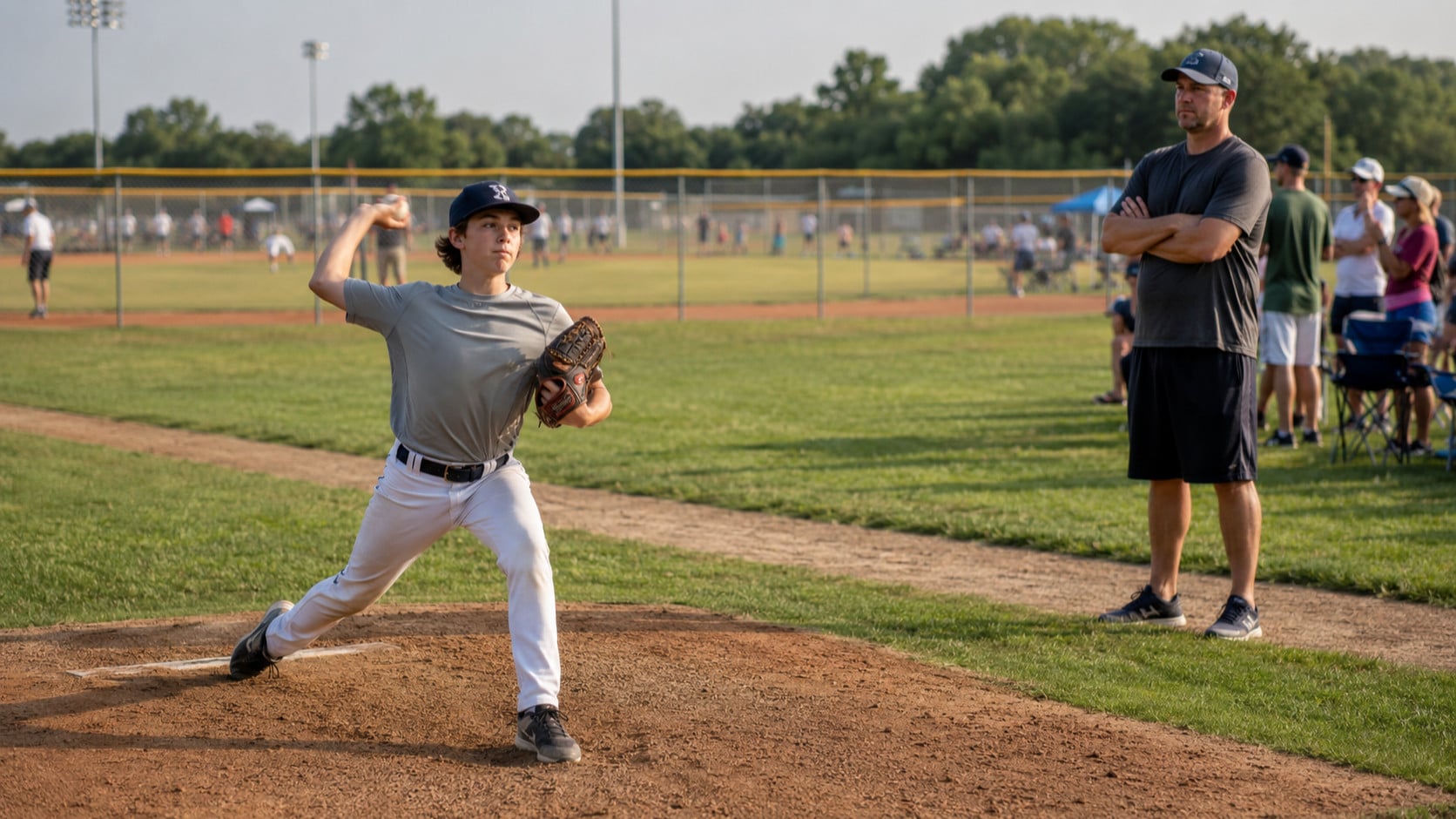
What Exactly Is Little League Elbow?
Little League elbow is a stress injury to the growth plate on the inside of your child's throwing elbow. Doctors call it medial epicondyle apophysitis, meaning inflammation at the bony bump where the growth plate hasn't closed yet. It typically shows up in pitchers between eight and fourteen, right as their bodies are still developing.
Spotting the Early Signs
You'll typically notice the clearest sign as tenderness on the inside of the throwing elbow, the side closest to the body when the arm hangs naturally. Pain during the release point, soreness that lingers into the next morning, and a general sense that something feels off during warmups are common early signs of Little League elbow that build gradually.
Why Young Elbows Are More Vulnerable
The reason this injury targets kids comes down to biology. In children, the growth plate is cartilage rather than hardened bone, which makes it far more sensitive to stress than the surrounding muscles and ligaments. Every throw pulls on the inside of the elbow, and in your child's arm, that force lands on tissue still forming.
What the Research Shows
A 2002 study published in The American Journal of Sports Medicine, conducted by researchers with the American Sports Medicine Institute, followed nearly 500 youth pitchers ages nine to fourteen through a full season. Half of them reported elbow or shoulder pain at some point, with pitch volume showing the strongest connection to when that pain appeared.
How This Differs From a Ligament Injury
It's natural to worry this could mean something as serious as a torn ligament, the kind of injury that leads to Tommy John surgery. The two conditions aren't the same. Little League elbow affects the growth plate itself, not the ligament, and most cases improve with rest alone. Surgery is rarely needed if it's caught early.
What Happens When a Pitcher Keeps Throwing
Continuing to pitch through elbow pain doesn't toughen the joint. It adds stress to tissue that's already inflamed, and each additional outing compounds the damage. What might heal in four to six weeks of rest can stretch into two or three months if throwing continues. In rare cases the growth plate can actually separate, which does require surgery.
How Long Recovery Typically Takes
For a straightforward case caught early, doctors generally recommend four to eight weeks with no throwing at all, including no catch and no bullpens. After that, pitchers usually move through a gradual throwing program that starts at short distances and builds up over several weeks. Most are back to full pitching within six to twelve weeks total.
Why Growth Spurts Change the Picture
Growth spurts are one of the most overlooked pieces of this puzzle. When a pitcher's height increases quickly, bones lengthen faster than the tendons, ligaments, and muscles around them can adapt. That mismatch means more stress lands on the elbow with every throw, even if the pitching workload hasn't changed. That's often why the injury seems to appear out of nowhere.
What Parents Can Watch For Week to Week
A few patterns are worth tracking beyond how your pitcher feels after a single game. Tenderness that's present before he even starts throwing, not just soreness afterward, is a meaningful signal. So is a drop in velocity that sticks around over several outings, warmups that take longer than usual, or a delivery that changes without any coaching input.
Getting the Right Support During Recovery
Once a doctor confirms the diagnosis and sets a rest period, the work is making sure the return happens gradually rather than all at once. Some families work with a physical therapist for that phase, while others use structured youth pitcher arm recovery programs to track how the elbow responds as throwing resumes, an approach that can help families gauge readiness rather than guessing.
VeloRESET
City: Fresno
Address: 8930 North 6th Street
Website: https://www.veloreset.com/


Comments
Post a Comment