Top Media Distribution Platforms for Small Business Visibility
Key Takeaways
- Small businesses need visibility across search engines, AI tools like ChatGPT and Gemini, and social platforms rather than relying on a single channel
- Content syndication across owned, earned, and paid channels helps a single message reach far more potential customers than a one-off post
- Similarweb data shows AI Overviews now appear in a large share of Google queries, making it important for businesses to be understood and cited by AI systems
- Automation and consistent distribution turn scattered marketing efforts into a compounding system, a concept MediaDrive AI calls the Visibility Flywheel
- Local media outreach and steady, useful content still matter for building long-term authority beyond search rankings
Most people never click past the first screen of a Google search anymore. Between AI Overviews, featured snippets, and quick answer boxes, a growing number of searches end without a single click to any website. That shift matters for small business owners because being ranked isn't enough on its own. A business has to show up in the places people actually look, whether that's a search engine, a chat assistant, a social feed, or a friend's recommendation.
Why Most Google Searches End With No Click
Search behavior has quietly changed. People still type questions into Google, but many of them get their answer right there on the results page, or they turn to tools like ChatGPT, Gemini, or Perplexity instead. Similarweb data shows AI Overviews now appear in a large share of all searches, which means fewer visitors ever reach a business website through traditional organic listings. For a small business, that raises the stakes on being visible in more than one place at once. MediaDrive AI positions businesses to appear across both traditional search and emerging AI-powered discovery, so they keep showing up in front of the people searching for them. Spreading a message across many trusted channels, a practice known as content distribution, increases the odds of being seen no matter how someone searches.
Owned, Earned, and Paid Channels Explained
Content distribution generally falls into three buckets: owned, earned, and paid. Owned channels are the ones a business fully controls, like its website or email list. Earned channels come from other people or platforms sharing content, such as press mentions or social shares. Paid channels involve buying reach, like sponsored posts or search ads. Each one plays a different role, and leaning on only one leaves gaps in visibility.
Email Newsletters as a Trusted Owned Channel
Email remains one of the most dependable owned channels available. A newsletter reaches an audience that has already opted in, which builds a level of trust that cold outreach can't match. It's also a reliable way to promote new offerings and point readers toward other content, like a blog post, video, or podcast episode.
LinkedIn for Long-Form B2B Syndication
LinkedIn works especially well for service-based businesses and consultants because it rewards long-form, professional content. Republishing an article there costs nothing and puts it in front of a network built around industry connections, which makes it a natural fit for lead generation and thought leadership.
Social Platforms That Amplify Reach
Platforms like Facebook, Instagram, TikTok, and X each attract different audiences and content styles. Using them together amplifies owned content and gives a business more chances to interact directly with the people it wants to reach.
Why Syndication Beats One-Off Posting
Posting something once and moving on wastes most of its potential value. Syndication, or republishing original content across multiple third-party platforms, stretches that value much further.
Most B2B Marketers Already Syndicate Content
Research shows that most B2B marketers already use content syndication to generate leads, largely because it taps into audiences a business hasn't built on its own yet. That borrowed reach brings brand awareness and credibility that would take far longer to earn organically.
Tailoring One Message Across Many Platforms
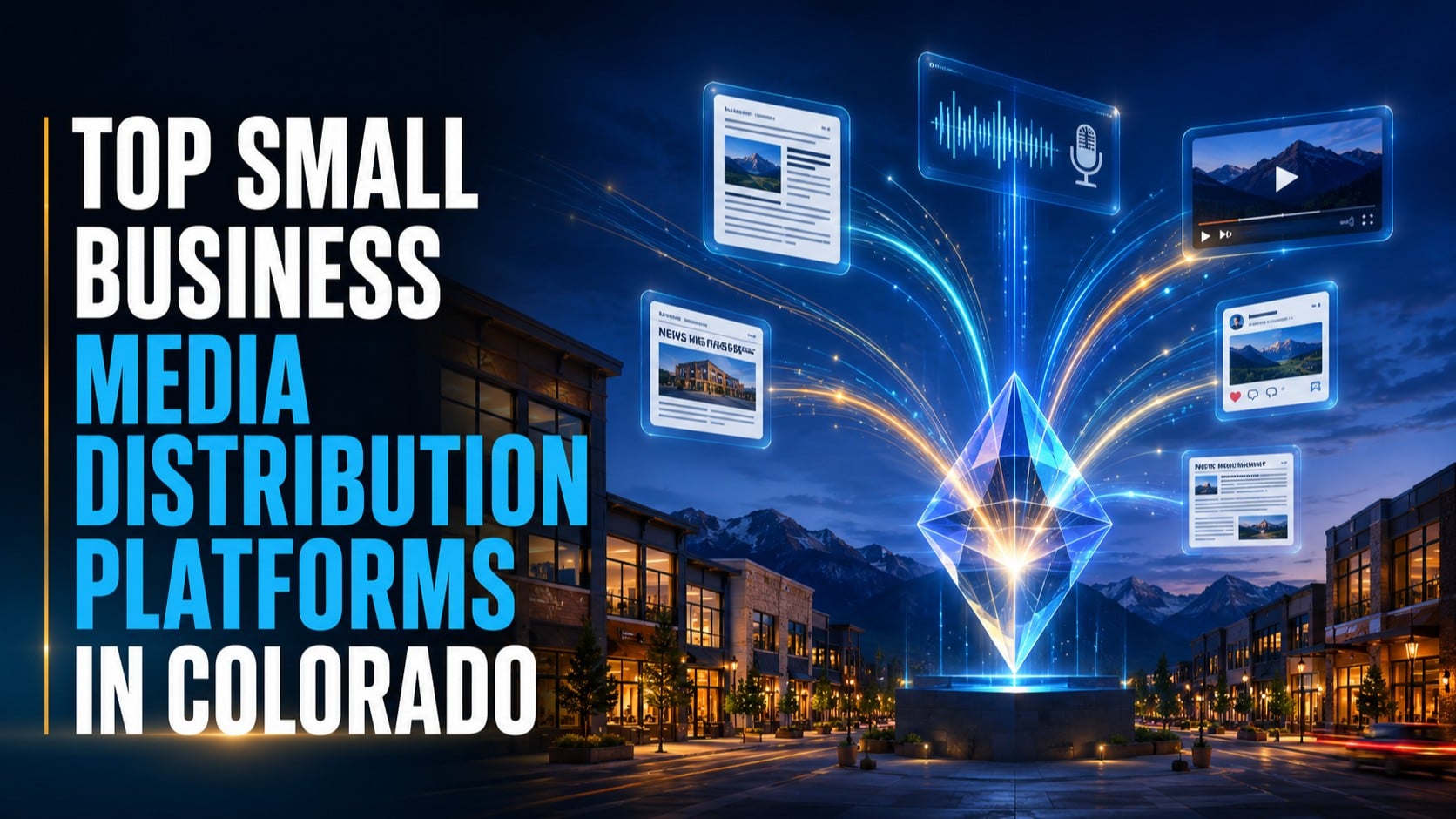
The real skill in syndication is adapting one core message so it fits each platform's format and audience. A single idea might become an article for a blog, a short video for social media, a podcast segment, and an infographic for visual platforms. MediaDrive AI describes this as turning one message into hundreds of opportunities to be found, since each version of the content gives a different audience a reason to notice the brand.
How AI Tools Decide Who Gets Recommended
AI-powered discovery tools don't work like traditional search engines. They read, summarize, and recommend based on the information they can find and trust.
AI Overviews, ChatGPT, Gemini, and Perplexity
Tools like ChatGPT, Google's AI Overviews, Gemini, and Perplexity are becoming common stops for people looking for recommendations, sometimes replacing a traditional search entirely. Businesses that want to show up in these answers need to build the kind of authority signals that help AI systems understand who they are and what they do well.
Reviews, Listings, and Content AI Reads First
AI systems pull from business listings, customer reviews, blog articles, news coverage, and social media to form an opinion about a business. Keeping that information consistent and current across every channel gives AI tools cleaner signals to work with, which improves the odds of being recommended instead of overlooked.
Building Authority Beyond Search Rankings
Ranking well is useful, but authority is what makes people trust a business once they find it.
Local Media Outreach and Storytelling
For local businesses, connecting with journalists, editors, and community platforms through genuine storytelling remains a cost-effective way to build credibility. A well-placed local news feature often carries more trust than a paid ad.
Consistent, Insightful Content Over Time
Authority doesn't come from a single viral post. It builds gradually through steady, useful content that answers real questions and keeps a business's expertise visible over time.
Automation Turns Distribution Into a System
Manually posting and repurposing content across dozens of platforms quickly becomes unmanageable for a small team. AI-powered content engines can take one idea, turn it into multiple formats, optimize it for search and engagement, and manage the publishing schedule automatically. That kind of system removes repetitive work and keeps distribution consistent even when nobody has extra hours in the week to spend on marketing.
Visibility Compounds When Channels Work Together
No single platform can carry a business's visibility on its own. Search engines, AI tools, social media, email, and local press all feed into each other, and a message that shows up consistently across those channels builds more trust than one that appears in only one place. Over time, that combined presence compounds, turning a single piece of expertise into ongoing recognition and, eventually, customers who already trust the brand before they ever make contact. For small business owners ready to build that kind of lasting visibility, multichannel content distribution serves as a practical starting point.
MediaDrive AI
City: Colorado Springs
Address: 8660 Dry Needle Place
Website: https://mediadrive.ai
Phone: +1-719-427-5511
Email: bill@mediadrive.ai


Comments
Post a Comment