Scheduling Blocks Grounded Aircraft: Must-Have Feature Checklist
Key Takeaways
- Aviation scheduling software must do more than organize calendars - it needs to physically prevent unsafe bookings before they happen.
- Hard stops for expired documents, open defects, and overdue maintenance are non-negotiable features, not nice-to-haves.
- Pilot qualification checks, duty time enforcement, and SMS integration should all live inside the booking workflow, not in separate tools.
- The most important vendor question is not about price - it is whether the system can block an unsafe dispatch entirely, or only flag it after the fact.
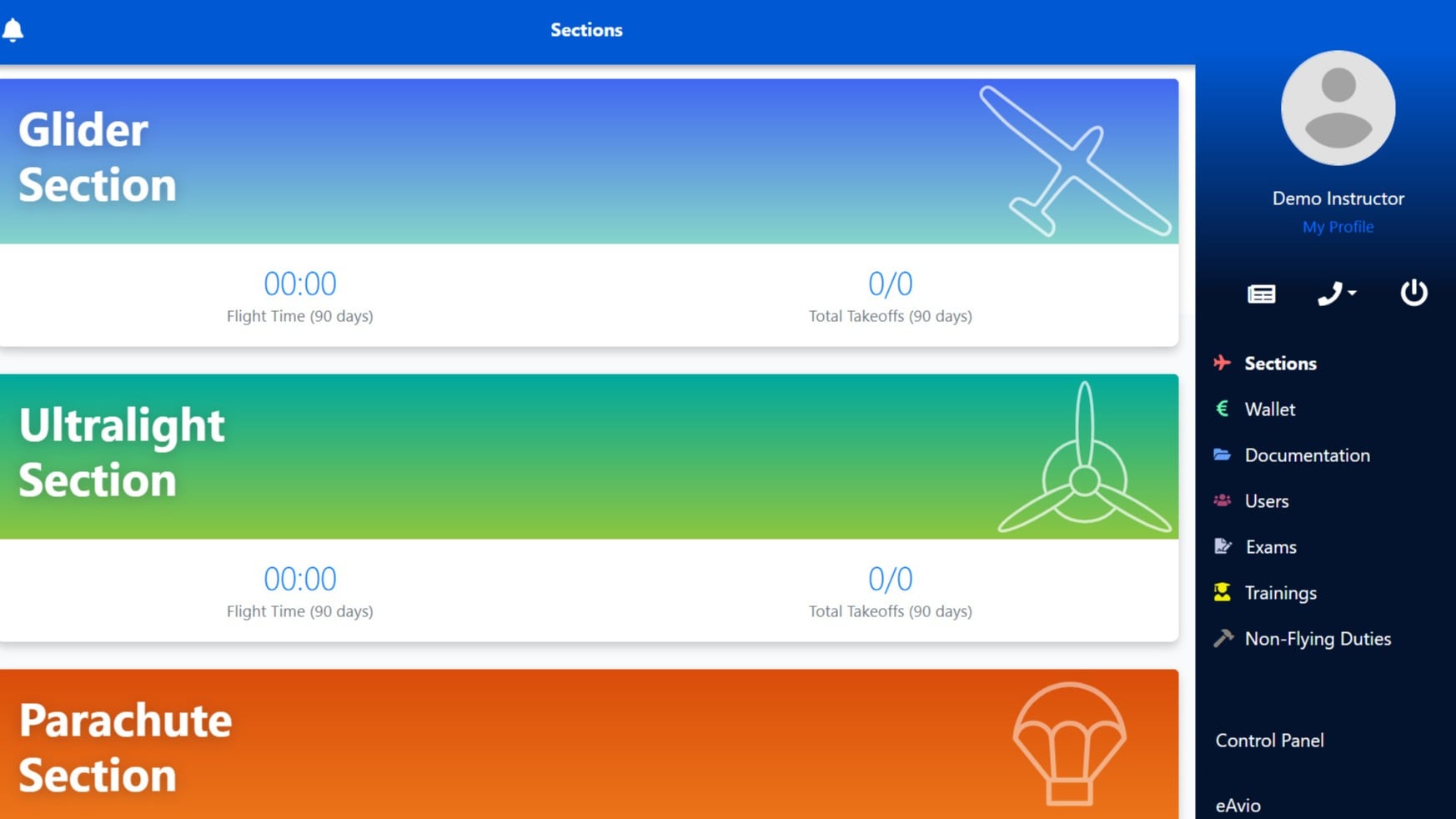
- Platforms like eAvio demonstrate how maintenance blocking, qualification gating, and safety management can be woven directly into daily scheduling.
One overlooked booking can put an aircraft in the air with an expired airworthiness directive, an under-qualified pilot, or a known defect. For flight school operations managers, the scheduling system is a frontline safety barrier - not just a convenience tool. Here is what that barrier actually needs to include.
One Unsafe Booking Can Ground Your Whole Operation
Most flight school incidents do not start with bad weather or mechanical failure mid-flight. They start earlier - at the booking stage - when a gap between scheduling, maintenance, and compliance allows something unsafe to slip through. A student books an aircraft that is three hours past its 100-hour inspection. An instructor gets scheduled for a sixth consecutive day. A pilot with a lapsed medical gets confirmed on a solo cross-country.
Each of those scenarios is preventable, but only if the scheduling system is built to prevent them - not just record them after the fact. The difference between a platform that shows you information and one that acts on it is where flight school operations either hold together or fall apart under scrutiny.
Maintenance Blocks Built Into Scheduling
The most fundamental safety feature in any aviation scheduling platform is whether the maintenance system communicates directly with the booking calendar in real time. When those two modules are separate, someone has to manually cross-reference them before every dispatch - and that manual step is where errors happen.
Automatic Calendar Blocking When Limits Are Exceeded
Aircraft maintenance intervals - 50-hour checks, 100-hour inspections, annuals, component life limits - should trigger automatic, visible blocks on the reservation calendar the moment a threshold is reached or approached. Maintenance blocks should appear color-coded and be non-bookable, not just advisory. The system should track by flight time, landings, Hobbs time, calendar age, and cycles depending on the aircraft type, and generate alerts before limits are hit so maintenance can be scheduled proactively rather than reactively.
Defect Logging That Triggers Immediate Grounding
Open squawks and reported defects need to flow directly into the scheduling layer. When a pilot logs a defect at flight close-out - a rough mag check, a stuck trim indicator, an oil pressure anomaly - the aircraft should be automatically removed from available inventory until the defect is resolved and signed off. This loop between defect reporting and booking availability is what separates an integrated operations platform from a scheduling tool bolted onto a separate maintenance log.
Real-Time No-Go Blockers That Prevent Unsafe Dispatch
Warnings are useful. Hard stops are required. A system that generates a yellow flag but still allows a booking to be confirmed has not actually prevented anything - it has only documented that someone was warned before proceeding unsafely.
Hard Stops vs. Soft Warnings: Why It Matters
Modern platforms distinguish between soft warnings (informational alerts that can be acknowledged and overridden) and hard stops (conditions that prevent booking confirmation entirely). For safety-critical conditions - overdue maintenance, expired airworthiness documents, unresolved safety-critical defects - the system should enforce a hard stop. Soft warnings have their place for near-future expirations or scheduling preferences, but they should never be the only gate on a genuine no-go condition.
Expired Documents as Automatic Booking Denials
Aircraft airworthiness certificates, insurance documents, and registration paperwork all carry expiry dates. When any of those dates pass, the aircraft should become unbookable automatically, without requiring an administrator to manually flip a switch. The same logic applies to pilot-facing documents, which leads directly to the next layer of protection.
Pilot Qualification Checks at the Booking Stage
An airworthy aircraft is not enough if the pilot scheduled to fly it is not current, qualified, or medically fit. Qualification gating at the booking stage closes a gap that paper-based systems almost always leave open.
License, Medical, and Currency Verified Before Confirmation
The scheduling system should serve as a living database of every pilot's credentials - license type, ratings, medical certificate class and expiry, and recency requirements such as recent landings or instrument currency. Before a booking is confirmed, the system should automatically verify that the pilot holds a valid license for the aircraft type, that their medical has not lapsed, and that their currency requirements are met. If any check fails, the booking should not proceed. Upcoming expirations - a medical expiring in 30 days, a BFR due in two weeks - should generate proactive alerts so pilots can act before they are grounded, not after.
Duty Time Enforcement Built Into the Calendar
Fatigue is one of the most well-documented contributors to aviation incidents, and regulators have codified limits for exactly that reason. EASA Flight Time Limitations are established under Regulation (EU) 965/2012, with corresponding standards from the FAA and ICAO for operations in other jurisdictions. Scheduling software needs to track cumulative flight time and duty periods per pilot and instructor, preventing new bookings from being placed when legal limits would be exceeded. This is both a compliance requirement and a fatigue management tool that actively shapes the schedule before an overworked instructor ever walks to the aircraft.
SMS Integration Inside the Dispatch Workflow
A Safety Management System living in a separate tool - disconnected from scheduling, maintenance, and dispatch - creates the same manual cross-referencing problem described earlier. The value of SMS is only fully realized when it is embedded in the workflows where risk actually appears.
Risk Assessments Linked to Scheduled Flights
Flight Risk Assessment Tools (FRATs) should be configurable and completable as part of the dispatch process, not as a separate pre-flight checklist done offline. When a flight is scheduled, the risk assessment should be attached to that specific booking. Factors such as weather conditions, pilot experience level, aircraft history, and route complexity can all feed into a repeatable scoring model that flags elevated-risk flights for review before they are released for dispatch. SMS software that integrates with scheduling can also surface risk assessment requirements aligned with ICAO Annex 19 and EASA Part-ORA, ensuring the process meets the regulatory framework already governing the operation.
Safety Reporting That Closes the Loop
Occurrence reporting and corrective action tracking complete the safety picture. When a near-miss, a ground incident, or an unusual operation is reported, the system should create a traceable workflow: the report is logged, assigned, investigated, and resolved - with every step documented. Horizon Flight Academy demonstrated what this looks like in practice; after implementing an integrated SMS that automated these workflows, the organization reduced incident resolution time by 50% and improved audit performance measurably. The mechanism is structure, not magic. When reports flow into an organized system with owners and deadlines, issues get resolved rather than forgotten.
The Vendor Question Every Ops Manager Must Ask
Feature lists from vendors can be impressive and still miss the point. The single most important question when evaluating any aviation scheduling platform is this: can the system actually prevent an unsafe dispatch, or does it only flag it after the booking is already made?
A platform that blocks an unqualified pilot from booking, removes an aircraft with an open defect from inventory, stops a booking when an instructor would exceed their duty limit, and requires a completed risk assessment before dispatch release - that is a system doing real safety work. A platform that displays the same information but leaves confirmation in human hands has offloaded the responsibility back to the operations team.
Beyond that core question, the checklist for evaluating vendors should include:
- Maintenance integration: Are maintenance limits and defect logs connected directly to booking availability?
- Qualification gating: Does the system verify license, medical, and currency at the time of booking - not just during onboarding?
- Hard stop enforcement: Which conditions trigger hard stops versus soft warnings, and is that configurable?
- Duty time tracking: Are cumulative flight and duty hours monitored per pilot and instructor in real time?
- SMS depth: Does the safety module include risk assessments, corrective actions, and investigation workflows - or just an incident reporting form?
- Regulatory alignment: For EASA-regulated operations, does the platform support ECCAIRS reporting formats and the management system requirements of Part-ORA (OR.GEN.200)?
- Mobile access: Can pilots log defects, complete risk assessments, and check booking status from the flight line?
No scheduling software eliminates risk entirely. The right platform removes the human single points of failure - the forgotten document check, the missed maintenance alert, the overlooked duty limit - that turn manageable risks into avoidable incidents. That is what the feature checklist is really for.
To see how an integrated aviation operations platform handles scheduling, maintenance blocking, and safety workflows in a single system, visit eAvio.
eAvio d.o.o.
City: Maribor
Address: Jadranska cesta 28
Website: https://eavio.aero
Email: info@eavio.aero


Comments
Post a Comment