Professional Bed Bug Treatment: VA Expert Breaks Down Process & Cost
Key Takeaways
- About 20% of American households deal with a bed bug infestation each year - and roughly 80% of the infestation is hidden from plain sight at any given time.
- Dense urban areas face significantly higher infestation rates, driven by shared housing, heavy transit use, and constant tourism traffic.
- DIY sprays and foggers frequently make infestations worse by scattering bugs deeper into walls and furniture - and bed bugs have developed documented resistance to many over-the-counter insecticides.
- Professional exterminators use Integrated Pest Management (IPM) and heat treatments that eliminate all life stages of bed bugs, regardless of pesticide resistance - something no store-bought product can reliably do.
- Acting early matters: delaying professional treatment typically turns a manageable problem into a multi-room infestation that costs significantly more to resolve.
Up to 20% of American Households Experience a Bed Bug Infestation Each Year - and 80% of It Is Already Hidden
Bed bugs are thriving. According to data compiled by Sleep Advisor and sourced from the National Pest Management Association (NPMA), as many as 20% of American households will experience a bed bug infestation in any given year. That's one in five homes. What makes this especially alarming is the invisibility of the problem.
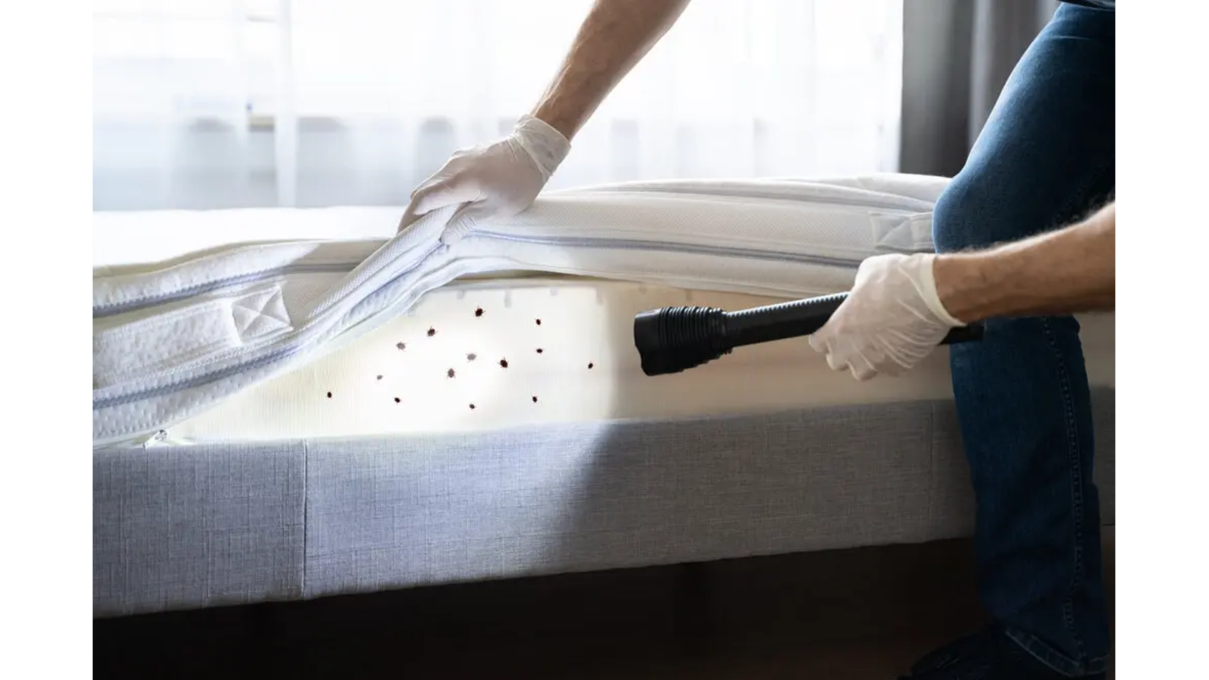
About 80% of a bed bug infestation is hidden at any moment, with only hungry bugs venturing out to feed. The rest are tucked into mattress seams, wall voids, electrical outlets, and furniture joints - completely out of sight. By the time most people notice bites or spots on their sheets, the infestation has likely been growing for weeks. According to the NPMA's Bugs Without Borders survey, 84% of pest control professionals were initially contacted about a different pest entirely before correctly identifying bed bugs.
This is precisely why professional detection matters from the start. Pest control teams routinely identify infestations that homeowners had no idea existed until the problem was already well established.
The Real Health Cost of Ignoring Bed Bugs
Physical Symptoms Beyond the Bite
Most people know bed bugs bite - but the health consequences can go much further. Repeated scratching of bites can break the skin, opening the door to secondary bacterial infections like impetigo or cellulitis. In rare, severe infestation cases, significant blood loss has been linked to anemia. Notably, roughly 30% of people in infested homes report no visible bites at all, meaning an infestation can quietly grow while symptoms go unnoticed.
Mental Health: Anxiety, Insomnia, and Depression
The psychological toll is just as real. Studies have found measurable associations between bed bug infestations and anxiety, insomnia, stress, and depression. Lying awake wondering what's crawling on you compounds into chronic sleep deprivation that affects work, relationships, and overall quality of life. The social stigma of an infestation adds another layer - surveys show that 40% of people avoid entering the home of someone with a known bed bug problem.
Why DIY Treatments Backfire
Sprays and Foggers Often Scatter the Infestation
Buying a spray and applying it seems like a straightforward fix. In practice, the opposite frequently happens. Aerosol foggers and bug bombs push bed bugs away from the treated area and deeper into walls, baseboards, and adjacent rooms - spreading the infestation rather than containing it. Pest control experts consistently identify DIY chemical treatments as one of the leading causes of infestations becoming multi-room problems.
Insecticide Resistance Makes Over-the-Counter Products Ineffective
Bed bugs have developed documented resistance to many common insecticides over decades of widespread use. Pyrethroids, the active ingredient in most consumer sprays, are particularly affected. Bed bugs found in regions like Florida and Hawaii have developed significant resistance to many common insecticides, and applying more of what isn't working doesn't solve the problem - it accelerates resistance.
A Full DIY Approach Can Cost $200-$500 and Still Fail
Interceptor traps alone cost only a few dollars, but a complete DIY effort - sprays, steamers, mattress encasements, multiple rounds of products - typically runs $200-$500 over three to six months, according to consumer spending analysis. By that point, the infestation has almost always spread, and the eventual professional treatment costs more than it would have at the outset. DIY approaches are often more expensive in the end.
What Professionals Do Differently
Advanced Detection: Canine Teams and Targeted Inspections
Bed bugs are cold-blooded, which means they don't generate body heat - making thermal imaging cameras largely ineffective for locating them. Professional exterminators often rely on trained canine detection teams to help locate live bugs and viable eggs hidden inside walls, furniture frames, and electrical outlets. While the accuracy of canine detection relative to thorough visual inspections can vary, these teams are a valuable tool for reaching areas that standard walkthroughs may miss. Precision matters: overlooking even a small cluster of eggs resets the entire treatment process.
Integrated Pest Management (IPM) Explained
Rather than applying a single treatment and hoping for the best, professional exterminators follow an Integrated Pest Management (IPM) framework - a coordinated strategy combining thorough inspection, physical removal methods like steam, targeted chemical application, and structured follow-up inspections at two-week intervals. IPM recognizes that no single tool eliminates bed bugs across all life stages. Pest companies specifically emphasize customized IPM plans, because the mix of apartment buildings, single-family homes, and high-traffic commercial spaces in the region demands flexible, site-specific solutions.
Heat Treatment: Kills All Life Stages, No Resistance
Heat is one of the most effective tools in a professional's arsenal. Raising room temperatures to lethal levels kills bed bugs - eggs, nymphs, and adults - in a single treatment, leaves no chemical residue, and works regardless of pesticide resistance. No over-the-counter product can replicate that outcome.
Understanding the True Cost of Professional Treatment
Average Pricing: $1,750-$5,000 and What Drives It
Professional bed bug treatment typically costs between $1,750 and $5,000, according to HomeAdvisor data cited by Sleep Advisor. The wide range reflects the size of the space, the severity of the infestation, the treatment method used, and how many follow-up visits are required. In high-density urban markets, costs can trend toward the higher end due to the added complexity of treating shared-wall structures.
Why Early Action Saves Money
The single most important cost variable is timing. A localized infestation caught in one room is dramatically cheaper to treat than one that has spread to multiple rooms, furniture sets, and adjacent units. Every week of delay gives a population that can double in size every two weeks more time to entrench. Calling a professional at the first sign of bites or spotting is consistently the most cost-effective decision a homeowner can make.
Don't Wait - Call a Pro
Bed bug infestations don't resolve on their own, and the data is unambiguous: the longer the wait, the harder and more expensive the fix. These hardy pests call for a professional response, not a trip down the hardware store aisle.
If there's any suspicion of an infestation - unexplained bites, small rust-colored spots on sheets, or a faint sweet odor near the bed - the time to act is now, not after three rounds of foggers have pushed bugs into the walls.
Connor's Pest Pros
City: Springfield
Address: 5410 Port Royal Rd
Website: https://connorspestpros.com/contact/


Comments
Post a Comment