Natural Birthstone Jewelry: Meaning, Tradition & How To Choose The Right Stone
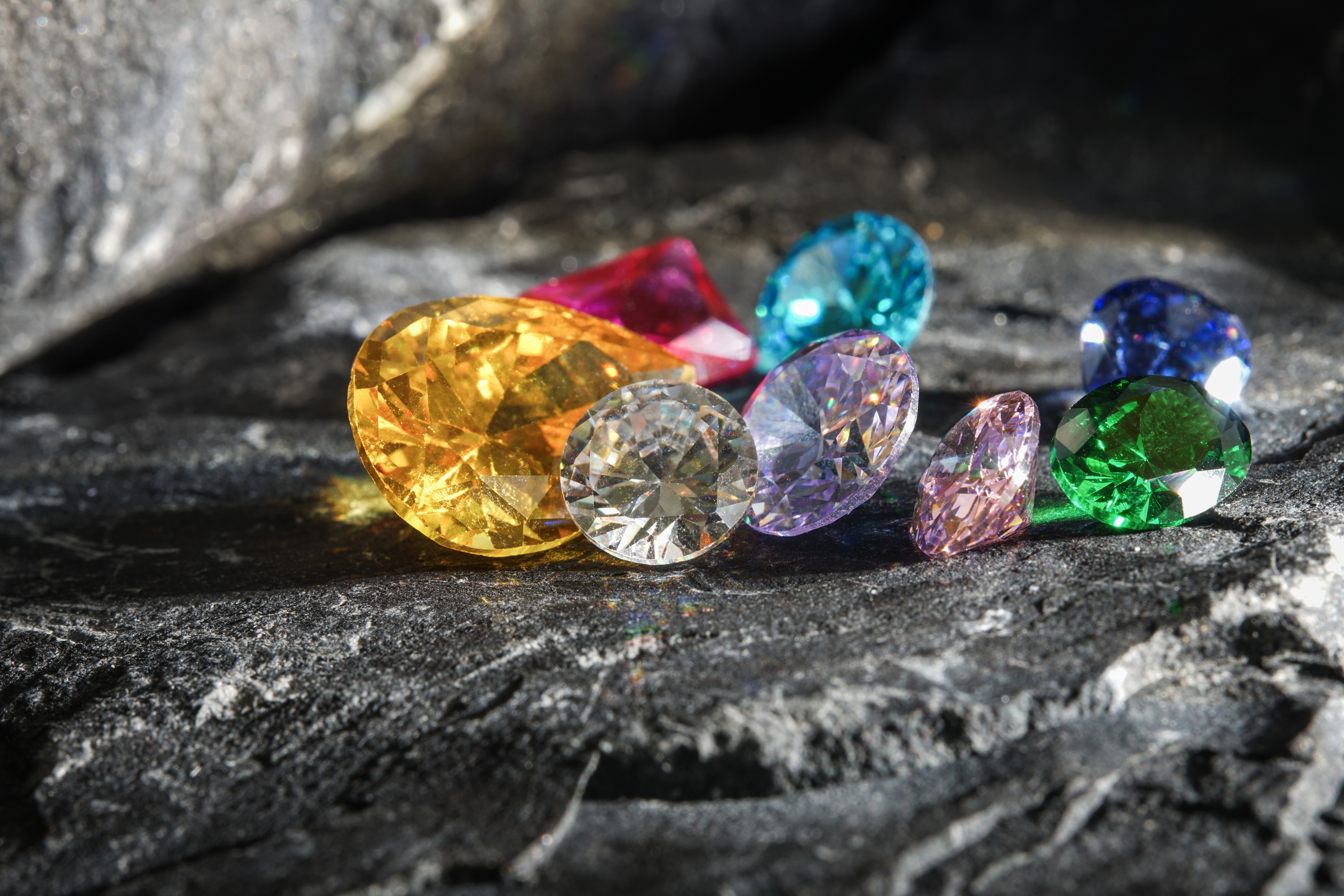
Key Takeaways:
- Birthstone traditions stretch back thousands of years, rooted in biblical texts and ancient astrological beliefs, giving each stone a layer of meaning that modern wearers still connect with.
- Natural birthstones are genuinely different from synthetic alternatives - their organic imperfections and color variation are part of what makes them meaningful and valuable.
- The Mohs hardness scale is the most overlooked factor when buying birthstone jewelry.
- Choosing the right metal setting is crucial for protecting the stone and ensuring the overall longevity and wearability of the jewelry.
- There are specific care rules depending on stone hardness; using the wrong cleaning method on a soft stone like opal or pearl can cause permanent damage.
A birthstone carries centuries of symbolism, cultural belief, and personal meaning that most people barely scratch the surface of when they pick one out. Understanding where this tradition comes from - and what actually makes a piece worth keeping - changes how the whole choice feels.
A Birthstone Is a Personal Marker With Ancient Roots
There is something quietly powerful about wearing a stone tied to the month of a person's birth. It is a small, wearable signal of identity - the kind of thing that gets noticed, asked about, and remembered.
What many buyers do not realize is that this is not a modern marketing concept. The idea of assigning gemstones to specific periods of a person's life goes back thousands of years, across multiple cultures and continents. The stone on a ring or pendant today is a direct continuation of that long lineage.
Where Birthstone Tradition Comes From
Biblical Origins
The earliest known connection between gemstones and human significance appears in the Book of Exodus. The Breastplate of Aaron - a sacred religious garment described in the Hebrew Bible - was set with twelve different stones, and each stone was understood to carry divine meaning and protective power. Surviving records from the 1st-century show connections between those twelve stones, the twelve months of the year, and the twelve signs of the zodiac. Wearing one's own birth month's stone eventually became the more personal, simplified version of this ritual.
The Standardized Modern List
For centuries, birthstone assignments varied by culture and region - there was no single agreed-upon list. That changed in 1912, when the American National Retail Jewelers Association (now known as Jewelers of America) formalized a standardized list of birthstones. The goal was market consistency, and it largely worked. That 1912 list is still the foundation of what most jewelers use today, with a handful of additions and alternates introduced in the decades since.
What Each Birthstone Actually Means
Winter and Spring Stones (January-June)
The first half of the year brings some of the most symbolically rich stones in the calendar.
- January - Garnet: Associated with protection, strength, and good health. Garnet ranges from deep red to rhodolite pink.
- February - Amethyst: Symbolizes clarity, calmness, and spiritual growth. Color runs from light lilac to deep Siberian purple.
- March - Aquamarine: Linked to tranquility, courage, and clear communication. A pale, watery blue that reads quietly elegant.
- April - Diamond (or White Topaz): Represents love, purity, and strength. One of the hardest and most durable options in the birthstone calendar.
- May - Emerald: Stands for renewal, growth, and prosperity. Its vivid green has been prized since ancient Egypt.
- June - Pearl or Moonstone: Both carry themes of purity, wisdom, and intuition. Pearl is organic rather than mineral - an important distinction for care purposes.
Summer and Fall Stones (July-December)
The warmer months and into fall bring stones with deeper, warmer palettes and strong symbolic associations.
- July - Ruby: Passion, protection, and vitality. One of the most historically prized stones across cultures.
- August - Peridot: Strength, positive energy, and health. Its lime-green tone pairs naturally with warm skin tones.
- September - Sapphire: Wisdom, loyalty, and nobility. The deep blue is iconic, though sapphires come in almost every color.
- October - Opal or Tourmaline: Opal's iridescent play of color represents creativity and hope. It is also one of the softer stones - more on that shortly.
- November - Citrine or Topaz: Warmth, good fortune, and affection. Both stones offer rich golden and amber tones.
- December - Turquoise, Tanzanite, or Blue Topaz: Protection, healing, and good luck. December has one of the widest ranges of alternates in the modern list.
Natural vs. Synthetic: Why It Matters
Lab-created stones are chemically identical to natural ones, and they are often flawless. That sounds like a selling point - but for birthstone jewelry specifically, it misses the point entirely.
Natural birthstones carry slight inclusions, color variations, and irregularities formed over millions of years underground. Those imperfections are not defects. They are a record of the stone's origin, and they make each piece genuinely one-of-a-kind. A synthetic stone, however perfect it looks, is a manufactured product with no history attached.
For a piece meant to carry personal significance, the difference between natural and synthetic is significant. Jewelry experts at SilverRushStyle, for example, ensure that every stone in their natural birthstone collection is a real gemstone - not lab-grown or glass. That kind of transparency matters when authenticity is part of what makes the piece meaningful.
How to Choose Birthstone Jewelry That Lasts
Mohs Hardness and Daily Wear Suitability
The Mohs scale measures a mineral's resistance to scratching on a 1-10 range. Diamond sits at 10. Opal sits around 5.5. That gap has direct, practical consequences for how a piece holds up over time.
A general rule: stones rated Mohs 7 or above - including amethyst, garnet, sapphire, topaz, and citrine - hold up well to daily wear as rings or bracelets. Stones below 7 - opal, pearl, turquoise, moonstone - are better suited to earrings or pendants, where they face less contact and abrasion. Matching stone hardness to the jewelry type prevents a lot of heartbreak later.
Cut, Clarity, Color and Carat
The classic 4Cs apply to colored gemstones just as they do to diamonds.
- Cut determines how light moves through the stone. A well-cut garnet or sapphire will appear livelier and more vivid than a poorly cut stone of the same color.
- Clarity refers to internal inclusions. For natural stones, some inclusions are expected - what to avoid is cloudiness or fractures that compromise structural integrity.
- Color is usually the most important factor in colored gemstones. Saturation, tone, and hue all affect how striking a stone looks.
- Carat weight measures size. A smaller, high-quality stone will almost always outshine a larger, low-quality one.
Why .925 Sterling Silver Works as a Setting
The metal setting protects the stone, determines how the piece ages, and affects who can wear it comfortably. Sterling silver - stamped .925, meaning 92.5% pure silver alloyed with 7.5% copper - offers a reliable combination of durability, natural luster, and hypoallergenic properties that makes it one of the best choices for everyday birthstone jewelry. It also provides a neutral backdrop that lets the stone's color take center stage, which matters especially for vivid gems like ruby, amethyst, or emerald.
Birthstone Jewelry as a Meaningful Gift
Birthstone jewelry is one of the few gift categories where the personal connection is built directly into the object. Giving someone a piece set with their birth month's stone communicates something specific - that the choice was intentional, not generic. Beyond birthdays, birthstone pieces are frequently chosen for anniversaries, new baby milestones, graduations, and memorial gifts. Multi-stone pieces - mothers' rings or family pendants combining two to six birth months in a single setting - are a particularly thoughtful way to represent multiple people in one piece.
Caring for Birthstone Pieces
Soft vs. Hard Stones Need Different Care
Caring for birthstone jewelry is not one-size-fits-all. The stone's hardness dictates the method.
For harder stones (Mohs 7+) - amethyst, garnet, sapphire, topaz, citrine - a soft brush with mild soap and warm water works well. Rinse thoroughly and dry with a soft cloth. These stones can generally tolerate more handling.
For softer stones - opal, pearl, turquoise, moonstone - skip the soap and never use ultrasonic cleaners. A barely damp soft cloth is enough. These stones can be damaged by heat, chemicals (including perfume and hand sanitizer), and the vibrations from ultrasonic cleaning machines.
Across all birthstone pieces: remove jewelry before swimming, showering, or cleaning. Store each piece separately - gemstones can scratch one another - and use a polishing cloth on the silver setting regularly to prevent tarnish buildup.
The Right Birthstone, Worn Right, Lasts a Lifetime
Birthstone jewelry earns its significance because it sits at the intersection of personal identity and ancient tradition. Knowing where that tradition comes from, understanding what separates a natural stone from a synthetic one, and making practical decisions about hardness and setting are what turn a purchase into a piece worth keeping.
SilverRushStyle Inc.
City: Wesley Chapel
Address: 5901 Argerian Drive
Website: https://www.silverrushstyle.com


Comments
Post a Comment