Low-Profile vs. Standard Chainsaw Chain: Differences, Uses & Safety Tips
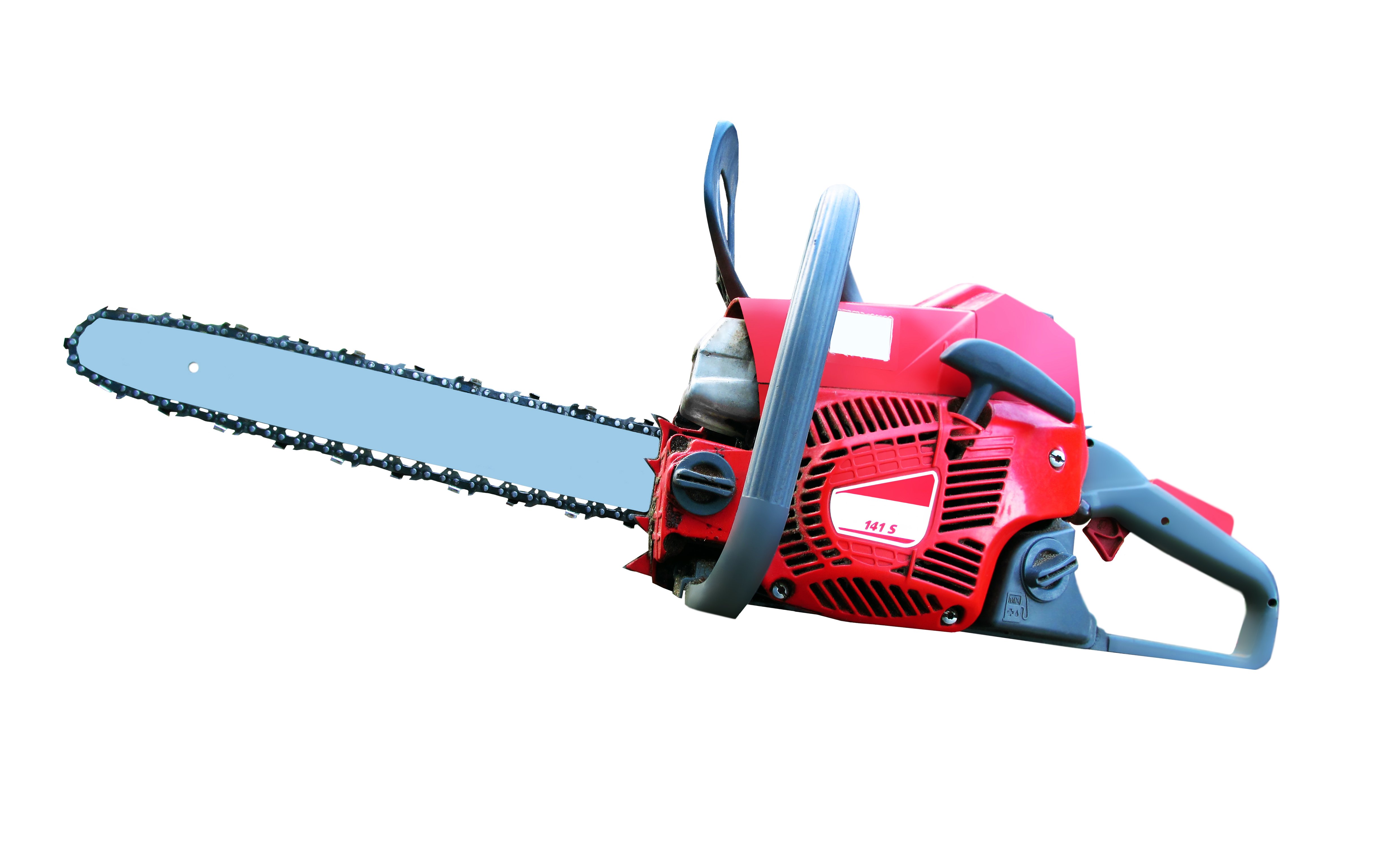
Selecting the right chainsaw chain profile matters as much as choosing the correct pitch or gauge, yet many buyers overlook this distinction until they experience a mismatch between chain and saw. Understanding the difference between low-profile and standard chain designs helps ensure safer, more efficient cutting for the specific equipment and conditions involved.
What Sets Low-Profile Chain Apart
Low-profile chain, most commonly found in the 3/8-inch low-profile (LP) and 1/4-inch pitch categories, features shorter, shallower cutter teeth compared to standard chain of the same pitch. This reduced cutter height means each pass removes less material, which lowers the power demand placed on the saw's engine or motor.
This design makes low-profile chain the standard pairing for smaller saws, typically those under 40 to 45cc for gas models, along with many battery-powered and electric chainsaws that produce less torque than larger gas engines. Because the chain does not require as much power to drive at cutting speed, it performs more efficiently on equipment that was not built to move a heavier-duty chain.
What Defines Standard Profile Chain
Standard, or full-profile, chain uses taller cutter teeth that remove more material with each pass. This aggressive cutting geometry is suited to larger saws with the engine displacement and torque needed to drive it effectively. Standard chain is common on mid-size and large gas chainsaws used for felling, bucking, and heavier commercial or forestry work, where cutting speed and material removal per pass matter more than reduced power draw.
Comparing Cutting Performance
The practical difference between the two profiles becomes clear during use. Low-profile chain cuts more slowly but places less strain on smaller motors, extending their usable life and maintaining consistent performance even on saws with limited torque. Standard chain cuts faster and handles larger diameter wood more efficiently, but only when paired with a saw capable of supplying adequate power.
Experts from Rapco Industries note that using a standard chain on an underpowered saw can bog down the engine, reduce cutting efficiency, and increase wear on both the chain and the saw's drive components. Conversely, using low-profile chain on a saw built for standard chain leaves potential cutting speed on the table, though it will not damage the equipment.
Safety Considerations
Kickback risk is another factor separating the two designs. Because low-profile chain has a shorter cutter and a different relationship between the cutter and depth gauge, it generally produces less aggressive engagement with the wood, which translates to reduced kickback potential. This makes low-profile chain a common recommendation for less experienced operators or for use on smaller homeowner-grade saws.
Standard chain, while more productive in experienced hands, carries a higher kickback risk due to its more aggressive bite. Operators using standard chain should have appropriate training and safety equipment, including chain brakes and protective gear rated for the cutting task.
Matching Chain to the Job
Choosing between low-profile and standard chain ultimately depends on three factors: the saw's power output, the operator's experience level, and the type of material being cut. A small battery-powered saw used for occasional yard work is almost always paired with low-profile chain, both because the motor cannot efficiently drive a standard chain and because the reduced kickback risk suits less frequent users.
Larger gas saws used for regular felling or bucking of larger diameter timber typically call for standard chain to maximize cutting speed and handle the demands of sustained professional use. Some professionals also keep both chain types on hand, switching based on the specific task, saw, and site conditions on a given day.
Checking Compatibility Before Cutting
Chain pitch, gauge, and drive link count must match the saw's bar and sprocket regardless of profile choice. Manufacturers stamp this information on the drive links, though the coding varies enough that checking the saw's manual or the bar itself is often necessary before ordering replacement chain. When comparing the best chainsaw chains for your equipment, consider profile, pitch, gauge, and drive link count before making a purchase.
Rapco Industries Inc.
City: Vancouver
Address: 6000 NE 88th St d104
Website: https://rapcoindustries.com/
Phone: +1 800 959 6130
Email: sales@rapcoindustries.com


Comments
Post a Comment