How to Recover After Chemotherapy: Exercise, Nutrition & Holistic Therapies
Key Takeaways
- Gentle movement, balanced nutrition, mind-body techniques, acupuncture, and ionic foot baths each offer different recovery benefits after chemotherapy - and work best when combined thoughtfully. Note that ionic foot bath benefits are limited to relaxation and local circulation, not toxin removal.
- Research consistently supports exercise, yoga, and acupuncture for reducing fatigue, pain, anxiety, and sleep disruption in cancer survivors.
- Ionic foot baths are a relaxation-first practice; their detox claims are not scientifically validated, but the calming ritual itself offers real recovery value.
- Medical clearance from an oncologist is non-negotiable before starting any new practice post-treatment.
Chemotherapy Ends - Recovery Is Just Beginning
The last infusion is a milestone, but not a finish line. For most survivors, the weeks and months that follow bring their own challenges - persistent fatigue, brain fog, disrupted sleep, emotional weight, and a body that needs patient, consistent support to rebuild. Conventional medicine does not always offer a clear roadmap for that in-between space, which is why many cancer survivors turn to complementary and holistic practices.
This comparison covers five practices commonly adopted post-chemotherapy: gentle exercise, nutrition, mind-body techniques, acupuncture and oncology massage, and ionic foot baths. Each targets the recovery process from a different angle, with different levels of scientific backing, accessibility, and safety considerations. The goal is a clear-eyed look at what each offers - and what to watch out for.
Practice 1: Gentle Movement & Exercise
What the Research Shows
The evidence here is among the strongest in integrative oncology. The American Cancer Society recommends that adult cancer survivors aim for 150 to 300 minutes of moderate-intensity exercise per week, plus strength training at least twice weekly. Research consistently shows that regular physical activity after treatment reduces fatigue, improves sleep quality, and may lower the risk of cancer recurrence.
The benefits extend beyond the physical. Cancer survivors who exercise regularly report fewer symptoms of depression and anxiety, improved mood, and a stronger overall sense of well-being - all of which are often disrupted during treatment.
How to Start Safely Post-Treatment
The key word is gentle. Starting with short walks, light resistance bands, or water aerobics allows the body to rebuild endurance without overtaxing a system that is still healing. Treatment side effects like fatigue will naturally affect some days more than others - that is expected. The Mayo Clinic advises survivors to do what they can on harder days, prioritizing movement over intensity.
Practice 2: Nutrition & Weight Management
Chemotherapy can leave the body nutritionally depleted, and weight often shifts - in either direction - during treatment. A recovery-focused diet emphasizes plant-based foods, lean proteins, healthy fats, and whole grains. The American Cancer Society recommends at least 2.5 to 3 cups of vegetables and 1.5 to 2 cups of fruit daily, alongside low-saturated-fat proteins like fish, eggs, nuts, and legumes.
No confirmed diet prevents cancer from returning, but a varied, nutrient-dense approach supports immune recovery, energy levels, and healthy weight - all of which matter during the post-treatment window. One caution worth noting: resist the urge to overload on supplements. Large doses of isolated vitamins and minerals can be counterproductive. A registered dietitian familiar with oncology recovery can help tailor a realistic, sustainable approach.
Practice 3: Mind-Body Techniques
Yoga & Restorative Movement
Gentle yoga - particularly hatha and restorative styles - has been studied specifically in cancer survivor populations. Systematic reviews and clinical trials show meaningful reductions in cancer-related fatigue, depression, anxiety, and sleep disturbance. Unlike vigorous yoga, restorative styles prioritize supported postures and slow breathing, making them accessible even during early recovery when energy is limited.
Meditation, Tai Chi & Qigong
Research reviews and institutions including the National Cancer Institute point to meditation, tai chi, and qigong as effective tools for lowering distress and improving quality of life in cancer patients. These practices work primarily through the nervous system - shifting the body away from chronic stress responses and toward a more regulated, parasympathetic state. Guided imagery and progressive muscle relaxation are also well-documented for helping patients manage anxiety and treatment-related emotional burden. None of these practices require special equipment or clinic visits, making them highly accessible for daily home use.
Practice 4: Acupuncture & Oncology Massage
Targeting Nausea, Pain & Sleep
Acupuncture has earned a place in clinical guidelines as a complementary therapy for managing some of chemotherapy's most disruptive side effects. Evidence supports its use for chemotherapy-induced nausea and vomiting, chronic pain, poor sleep, and anxiety. Oncology massage - a specialized adaptation of traditional massage tailored to each patient's health situation - has shown significant results in reducing pain, fatigue, anxiety, and depression, while improving mood and sleep quality.
The distinction between oncology massage and standard massage matters. Oncology-trained therapists adjust pressure, positioning, and technique based on the patient's treatment history, port placement, lymphedema risk, and current physical condition - factors a general massage therapist may not be equipped to account for.
Safety & Practitioner Requirements
Acupuncture is considered safe when performed by a licensed practitioner using sterile needles. Risks - light bruising or minor bleeding - are minimal under those conditions. For massage, always seek a therapist with formal oncology massage training and certification. Inform any practitioner of your full treatment history before the first session.
Practice 5: Ionic Foot Baths
Ionic foot baths occupy a different space in this conversation — one that requires honest framing. The device works by generating a low-level electrical current through salted water, producing ions. Proponents claim this process draws toxins out of the body through the feet, though that specific claim is not supported by scientific evidence. Independent assessments have found no proof that these devices promote the elimination of toxic elements from the body.
What is worth understanding is why so many post-chemo patients find them meaningful - and where their real value lies.
Relaxation Practices and Stress Recovery
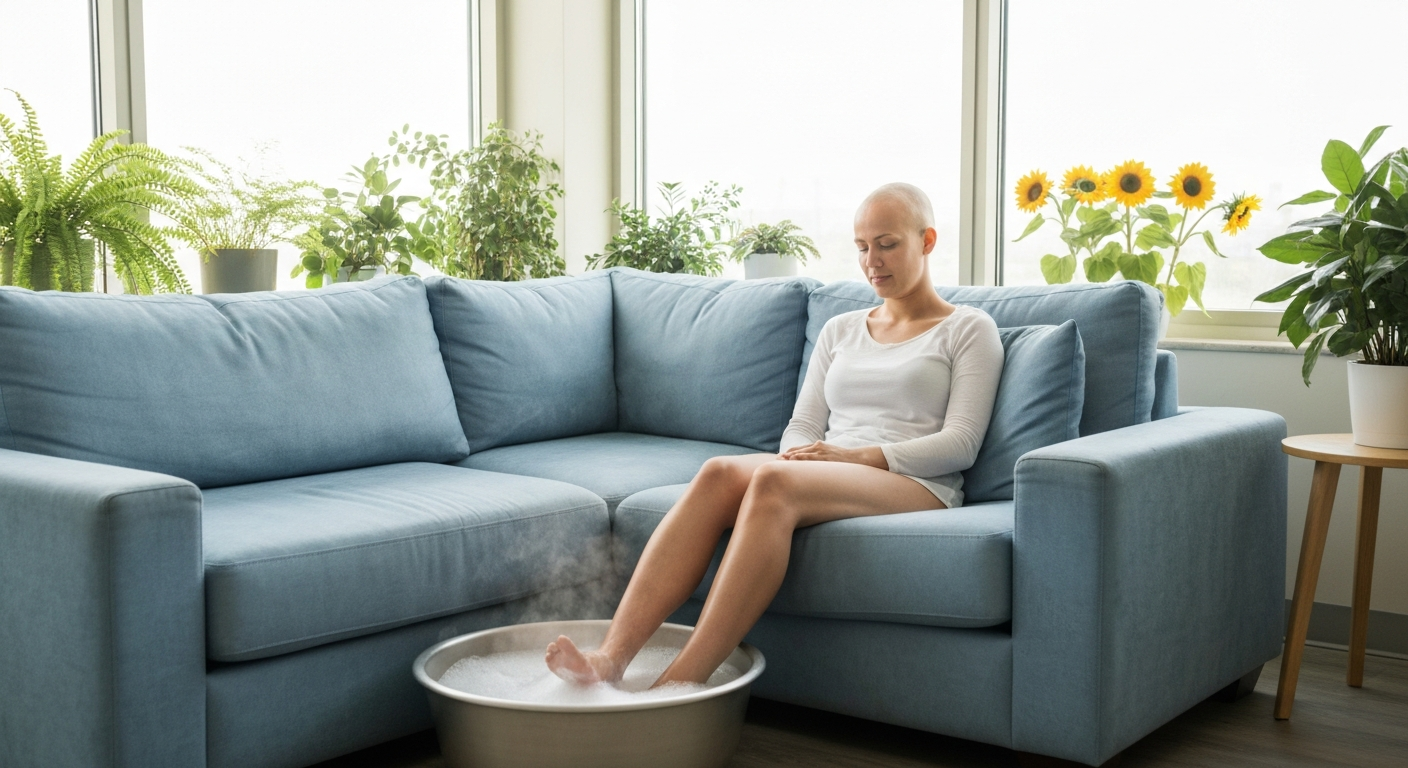
Sitting with feet in warm water for 30 minutes is genuinely relaxing. That matters more than it sounds. Chronic stress suppresses immune function, disrupts sleep, and slows healing - all already compromised after chemotherapy. Warm water immersion promotes vasodilation, improving circulation in the feet and lower legs, which can offer noticeable relief for survivors dealing with cold extremities, swelling, or post-chemo peripheral neuropathy. The calming sensory experience and circulatory effect of a warm foot bath may support the body's shift from a stress state into a more restorative one - a benefit grounded in general physiology, even though the detoxification mechanism is not supported by evidence.
The Water Discoloration Myth Explained
One of the most persistent selling points of ionic foot baths is the discoloration of the water during a session - often attributed to toxins being pulled from the body. This does not hold up to scrutiny. The color change is caused by oxidation of the metal array in the water and the minerals naturally present in tap water, not by anything drawn out of the body. Knowing this does not diminish the potential relaxation benefit, but it does clarify what the practice can and cannot claim.
Safety Rules & Who Should Avoid Them
For post-chemotherapy patients, the following safety rules apply without exception:
- Get oncologist clearance first. Blood counts, skin integrity, and treatment history all need to be reviewed before starting.
- Wait until active chemotherapy is complete. The combination of suppressed immunity, low platelet counts, and heightened skin sensitivity during active treatment creates too many risks.
- Never use with open wounds, sores, or broken skin on the feet. Electrical current concentrates at breaks in the skin.
- Hydrate well before and after each session. Chemotherapy patients are often mildly dehydrated; this compounds sensitivity to any stimulating practice.
- Start with shorter sessions of around 10 to 15 minutes and listen to how your body responds before extending to a full 30 minutes.
People with implanted electrical devices (pacemakers, insulin pumps), open infections, or blood disorders affecting clotting should avoid ionic foot baths entirely until cleared by their care team.
How the 5 Practices Compare
Each of these practices targets the recovery process differently, and their evidence bases vary significantly.
Exercise and nutrition carry the strongest evidence and the widest range of benefits. Mind-body practices and acupuncture fill important gaps around emotional recovery, pain, and sleep. Ionic foot baths round out the picture as a low-effort, accessible relaxation ritual - valuable for what they genuinely offer, not for unverified detox claims.
Get Medical Clearance First - Then Build Your Routine
No holistic practice belongs in a post-chemo routine without an oncologist's input. Blood counts, immune status, nerve sensitivity, and treatment history all influence what is safe and when. That conversation is the starting point - not an optional step.
Once cleared, building a sustainable routine does not mean doing all five things at once. Start with one or two practices that feel manageable, observe how the body responds, and add others gradually. Recovery is not linear, and the best routine is the one that gets used consistently. Small, repeatable actions - a daily walk, a plant-heavy meal, ten minutes of guided breathing, a weekly massage - compound meaningfully over months.
Healifeco
City: Sheridan
Address: 1309 Coffeen Avenue
Website: https://www.healifeco.com/


Comments
Post a Comment