Growth Plate Zones: Teen Weight Training Safety Guidelines
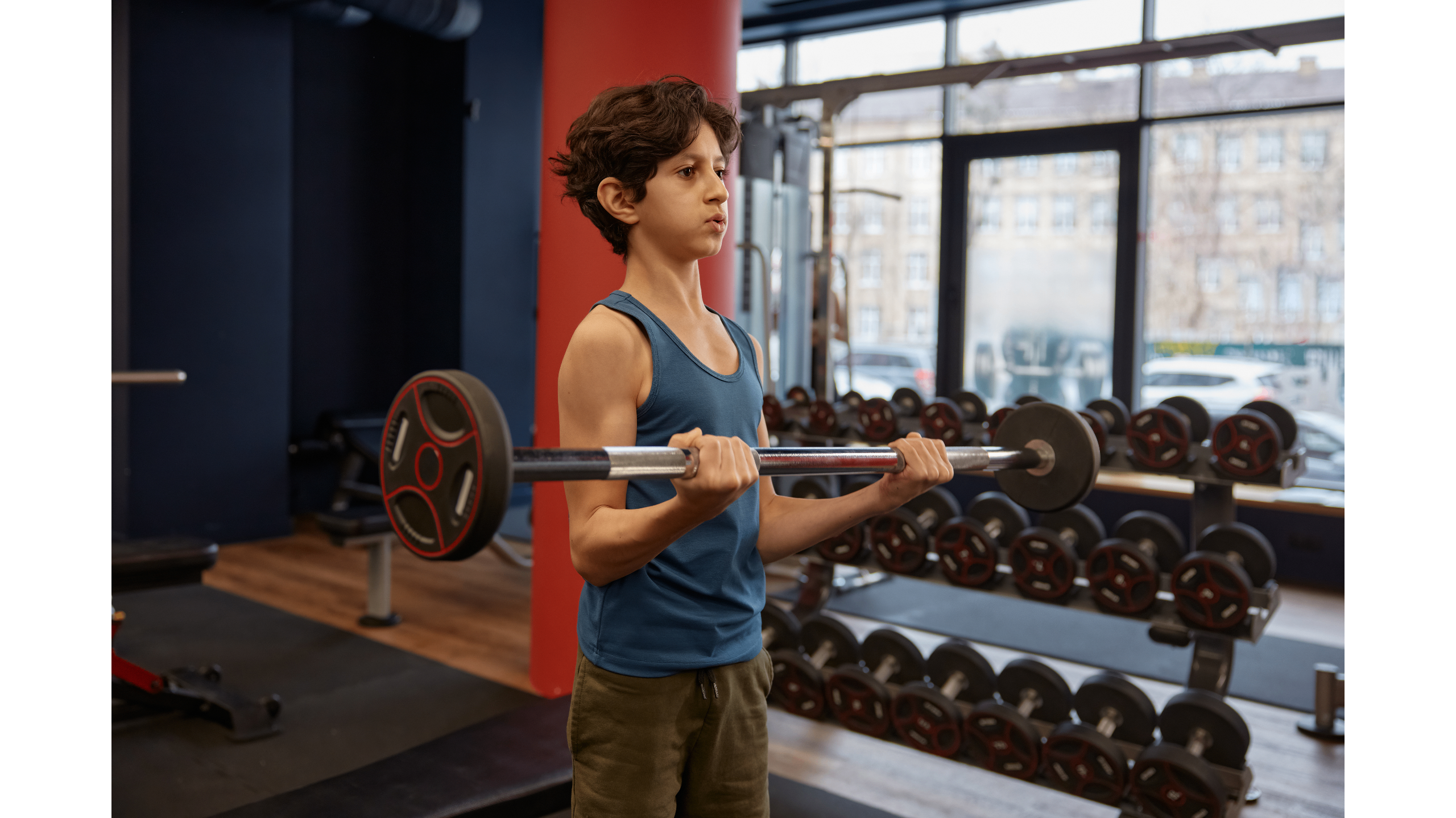
Key Takeaways
- Teen weight training is safe and effective when properly supervised and age-appropriate - this is the consensus of both the American Academy of Pediatrics and the British Journal of Sports Medicine.
- Growth plates are the most vulnerable part of a teenager's skeleton; protecting them requires correct technique, manageable loads, and qualified supervision.
- Most teen weight training injuries are caused by poor form, unsupervised sessions, or progressing too fast - not by lifting itself.
- Powerlifting, maximal lifts, and competitive bodybuilding are not appropriate for teenagers who are still growing.
- Keep reading to find the 7 safety rules every teen lifter must follow - and which training styles to avoid entirely.
Weight training is one of the best things a teenager can do for their physical and mental health - but only when done with the right approach. The science is clear, the medical community agrees, and the benefits are real. What makes all the difference is how it's done.
Weight Training Is Safe for Teens - Science Says So
The idea that lifting weights is dangerous for teenagers is one of the most persistent myths in youth fitness, and it has no backing in evidence. A clinical report from the American Academy of Pediatrics (AAP) confirmed that properly designed resistance training programs have no negative effect on linear growth or growth plate health in children and adolescents. Research also indicates positive effects of resistance training on the cardiovascular system in this age group. Leading sports medicine organizations and research, including the British Journal of Sports Medicine, describe resistance training as a safe and effective method for enhancing physical performance in healthy children and adolescents, provided it is suitably prescribed and supervised.
Growth plate injuries are actually more likely to occur during contact sports than in a supervised weight room. The real culprits behind teen lifting injuries are misuse of equipment, inappropriate loading, poor technique, and a lack of qualified supervision - not lifting itself. Remove those factors, and the risk drops dramatically.
For parents researching this topic, Master Trainer Initiative's teen weight training safety guide breaks down exactly what safe, age-appropriate training looks like in practice - from load management to exercise selection.
Why Teens Can't Train Like Adults
Teenagers aren't simply smaller adults. Their bones, connective tissues, and hormonal profiles are fundamentally different - and those differences directly shape what's safe and effective for them in the gym.
What Growth Plates Are and Why They're Vulnerable
Growth plates (also called epiphyseal plates) are zones of developing cartilage tissue located near the ends of long bones. They're where new bone is produced as a teenager grows. Because cartilage is softer and more pliable than fully formed bone, growth plates are the most injury-prone part of a developing skeleton. Excessive load, poor form, or repeated stress on these areas before they've fully hardened can cause fractures or lasting damage - which is exactly why technique and load management are non-negotiable for teen athletes. They're the foundation everything else is built on.
When Growth Plates Fuse - and What That Means for Training
Growth plates typically fuse in girls between ages 14-17 and in boys between ages 16-19, though this varies by individual and by which specific bone is involved. Until fusion is complete, a teenager is training on a skeleton that is still actively forming. That reality makes age-appropriate load management and qualified supervision a firm requirement of safe programming, not merely a precaution.
Real Benefits of Teen Weight Training
When done correctly, the upside of teen weight training goes well beyond building muscle. The physical and psychological gains are well-documented and meaningful.
Strength, Coordination, and Neuromuscular Gains
Before puberty and in the early teen years, strength gains from resistance training are largely neuromuscular - the nervous system becomes more efficient at recruiting muscle fibers, rather than the muscles themselves growing in size. This is why technique pays off so fast for young lifters. The coordination, movement quality, and motor patterns developed early become the foundation for safe long-term progression. Teens won't develop the muscle bulk seen in adult lifters, but they will build real, transferable strength that shows up in sports, daily movement, and injury resilience.
Mental Health, Confidence, and Long-Term Health
Regular physical activity during the teen years is consistently linked to lower rates of anxiety and depression. The gym offers something unique: measurable progress. A teenager who hits a new personal best, nails a technique they've been working on, or simply shows up consistently builds more than strength - they build self-belief and discipline that carries well beyond the weight room.
The long-term health picture is equally compelling. Weight-bearing exercise stimulates bone density development, which reduces future osteoporosis risk. Resistance training also has documented positive effects on blood pressure and cardiovascular health in adolescents. The habits formed in the teen years have a compounding effect that follows people into adulthood.
7 Safety Rules Every Teen Lifter Must Follow
These aren't suggestions. They're the difference between training that builds a teenager up and training that breaks them down.
Start Light, Progress Gradually
1. Always start with light weights. Beginners should start with bodyweight movements or very light resistance to master movement patterns before adding any external load. A teen who owns a bodyweight squat first will barbell squat far more safely later.
2. Increase load slowly. A reliable rule: increase weight by no more than 5 to 10 percent at a time, and only when the current weight can be lifted with perfect form across all sets. Rushing progression is one of the most common causes of overuse injuries in teen athletes.
Warm Up, Cool Down, and Listen to Your Body
3. Warm up before every session. At least 5 to 10 minutes of light aerobic movement followed by dynamic stretching - leg swings, hip circles, arm rotations, bodyweight versions of the main lifts - primes the joints, muscles, and nervous system for training. Don't skip the cool-down either; static stretches held for 20 to 30 seconds reduce soreness and support recovery.
4. Train under qualified supervision. Most weight training injuries in young athletes happen in unsupervised settings. A skilled coach with experience working with teenagers spots form errors, manages progression intelligently, and keeps the program matched to where the individual athlete actually is in their development.
5. Stop at the first sign of real pain. Muscle fatigue is normal. Sharp pain, joint discomfort, or anything that feels structurally wrong is not. If something hurts, stop. Minor issues that get ignored become serious injuries that sideline training for weeks or months.
Master Technique Before Adding Load
6. Perfect form before adding weight. Every rep done with poor technique reinforces bad movement habits and loads structures not built to handle it. If form breaks down, the weight is too heavy - full stop. A technically clean rep at a lighter weight always beats a messy rep at a heavier one.
7. Build the basics first. Before a teen touches a barbell, they should be able to perform a squat, hip hinge, push-up, and row with controlled, full-range movement. A practical progression looks like this:
- Weeks 1-2: Bodyweight only - focus on movement quality and range of motion
- Weeks 3-4: Introduce light resistance (bands or an empty bar) - maintain all form standards
- Week 5 onward: Begin gradual load increases only when movement quality is consistent across all sets
Training Styles Teens Should Avoid
Why Powerlifting and Maximal Lifts Are Off-Limits
Not every training style is appropriate for a developing body. Powerlifting, 1-rep max attempts, and heavy Olympic lifting place extreme compressive and shear forces on the spine, joints, and growth plates. For a teenager whose skeleton is still forming, that kind of stress carries a genuine risk of growth plate fracture or long-term joint damage. Competitive bodybuilding presents similar concerns, demanding extreme training volumes, caloric surplus, and recovery capacity that simply doesn't align with adolescent physiology.
Training Style Safe for Teens? Reason Bodyweight resistance training Yes Low joint stress, ideal for building foundational movement Light to moderate resistance training Yes Safe with proper technique and supervision Resistance band training Yes Low risk, highly effective for beginners Powerlifting / 1-rep max attempts No Excessive load on growth plates and joints Competitive bodybuilding No Extreme volume and dietary demands unsuitable for adolescents Unsupervised heavy Olympic lifting No High technical demand combined with excessive load risk
This table is about matching training stimulus to where a teenager's body actually is in its development. As growth plates fuse and foundational strength is established, the range of appropriate training expands considerably.
Finding the Right Coaching and Support
What to Look for in a Youth Strength Coach
Not every personal trainer is the right fit for a teen. The ideal youth strength coach holds a recognized strength and conditioning certification and has demonstrated experience working specifically with adolescents - not just adults. Beyond credentials, they should prioritize form over ego, steady progress over fast gains, and keep open communication with both the teen and their parents. A teenager who trusts their coach asks questions, raises concerns, and actually benefits from the guidance. That relationship matters as much as the qualifications on paper.
Teens with pre-existing conditions - including uncontrolled high blood pressure, seizure disorders, or heart problems - should get medical clearance from a doctor before beginning any structured program.
How the Master Trainer Initiative's Youth Development Programme Helps
The Master Trainer Initiative's Youth Development Programme was built specifically around adolescent physiology - not adapted from adult templates. Load progressions are managed with the developing skeleton in mind, technique is prioritized from the first session, and programming is structured to support safe, long-term strength development. For any teen serious about lifting safely, a program designed for their stage of development is the most sensible starting point available.
Done Right, Teen Weight Training Is a Long-Term Investment Worth Making
The research is conclusive and the medical consensus is firm: weight training is safe for teenagers when it follows the right principles. Correct technique, qualified supervision, gradual progression, and age-appropriate programming are straightforward commitments that protect the developing body while delivering real, lasting benefits. The teens who invest in doing it properly from the start don't just avoid injury - they build a foundation of strength, coordination, and healthy habits that compounds well into adulthood.
To find structured, expert-backed youth training resources, visit Master Trainer Initiative, specialists in safe and effective strength development for young athletes.
Master Trainer Initiative
City: Clonakilty
Address: Clogheen
Website: https://mastertrainerinitiative.com


Comments
Post a Comment