Google AI Overview Impact on Plastic Surgery SEO: CTR Drops Nearly 60%
Key Takeaways
- When Google AI Overviews appear in search results, organic click-through rates drop by nearly 60% - rankings no longer guarantee traffic.
- 68% of all U.S. Google searches ended without a click in early 2026, and health-related queries see zero-click rates as high as 83%.
- Plastic surgery treatment queries trigger AI Overviews 100% of the time, making this one of the most affected niches in healthcare SEO.
- Practices cited inside AI Overviews earn 35% more organic clicks - meaning the right optimization strategy can turn this threat into an advantage.
- Local provider queries trigger AI Overviews less frequently than informational queries, and strong E-E-A-T signals are the key to earning citations in this new search environment.
Your Rankings Held - But Your Traffic Didn't
Something strange started happening to plastic surgery practices across the country. Their Google rankings stayed the same - page one, position three, right where they worked so hard to be. But the phone calls slowed. Consultation requests thinned out. The traffic numbers told a different story than the rankings did.
This is the measurable consequence of Google AI Overviews: AI-generated summaries that now sit above traditional search results for a wide range of queries. A SparkToro study published in June 2026, based on Similarweb clickstream data, found that AI Overviews appear on more than 20% of all Google searches, and when they do, click-through rates drop by nearly 60%. A September 2025 study by Seer Interactive, analyzing 25.1 million organic impressions, put the drop more precisely: CTR fell from 1.76% to 0.61% - a 61% decline.
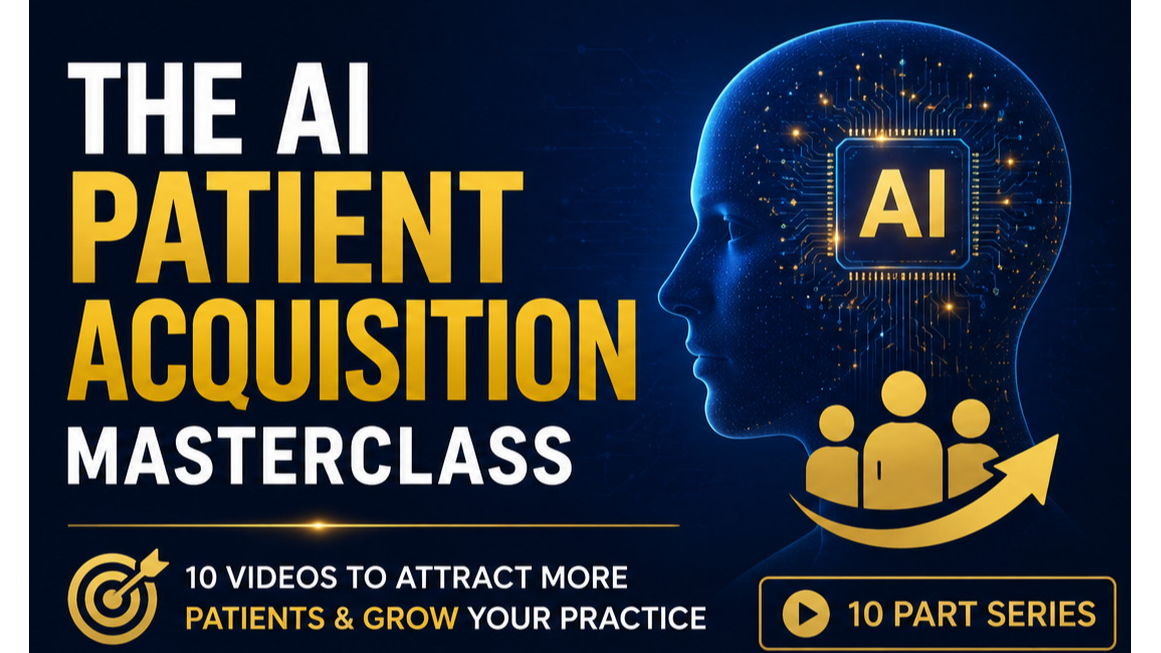
For plastic surgery practices trying to grow through organic search, the gap between ranking and actually receiving a visit is now the central marketing challenge of 2026. MedFire Media covers this shift in depth - including what practices can do about it - in their free course on plastic surgery digital marketing.
What Google AI Overviews Actually Do to Clicks
Google AI Overviews pull information from multiple web sources and display a synthesized summary at the very top of the search results page. A user types in a question, reads the answer on the spot, and often never scrolls down to the traditional blue links below.
The 60% CTR Drop, By the Numbers
The Seer Interactive study is the clearest data point available. Across 25.1 million organic impressions, the presence of an AI Overview cut CTR from 1.76% to 0.61%. Pew Research Center's July 2025 analysis of real browsing behavior from 900 U.S. adults reinforced this finding: users who encountered an AI summary clicked a traditional search result link just 8% of the time. Those who saw no AI summary clicked nearly twice as often, at 15%.
Clicks on links within the AI Overview itself occurred in just 1% of visits - meaning the summary absorbed user attention without meaningfully redistributing it to any one source.
Users Read the Summary, Skip Your Site
Pew's data also showed that users were more likely to end their browsing session entirely after seeing an AI Overview (26%) versus pages with no summary (16%). They got their answer and left - your optimized page never entered the picture.
Zero-Click Searches Are Accelerating
The AI Overview effect doesn't exist in isolation. It's amplifying a trend that was already well underway.
68% of Searches End Without a Click in 2026
The SparkToro/Similarweb study found that 68.01% of all U.S. Google searches during the first four months of 2026 ended without a single click to an external website. That's up from 60.45% in 2024 - a 7.56-point increase in two years. The share of searches that led to at least one click fell by 9.51 percentage points over the same period, a 22.9% decline. Google is increasingly answering questions on its own platform, and users are letting it.
Plastic Surgery Queries Are Especially Vulnerable
Not every industry feels this equally. Plastic surgery sits at the intersection of healthcare and high-intent informational search - which happens to be exactly where AI Overviews hit hardest.
Treatment Queries Trigger AI Overviews Every Time
Industry research shows that Google AI Overviews trigger on 100% of treatment-related queries. Searches like "rhinoplasty recovery time," "what is a mommy makeover," or "breast augmentation risks" will almost always surface an AI-generated summary before a single practice website appears. That covers the bulk of the research phase where most prospective patients start their journey.
Healthcare Pages Losing 20-30% Traffic Year Over Year
Healthcare websites are experiencing 20% to 30% year-over-year declines in traffic to clinical information pages, even when their rankings remain stable. The page exists, Google trusts it enough to keep it ranked - but an AI now summarizes it before anyone clicks through.
Zero-Click Rates Surge to 83% on Health Searches
When AI Overviews appear on healthcare-related searches, the zero-click rate surges to 83%. That means for every 100 people searching for information about a plastic surgery procedure, 83 will never visit any practice's website. They'll read the summary and move on.
Where AI Overviews Appear Less Often
There is one meaningful bright spot for local practices: Google triggers AI Overviews far less frequently for local provider queries than for informational ones. Searches like "plastic surgeon near me," "rhinoplasty surgeon in Austin," or "best facelift doctor in Chicago" are less likely to return an AI-generated summary, and more likely to surface traditional map packs and organic results.
This makes local SEO one of the more reliable patient acquisition channels still operating closer to traditional rules. A well-maintained Google Business Profile, location-specific content, and consistent local citations continue to drive clicks in a way that informational content alone no longer can. Branded searches similarly see lower AI Overview frequency.
The strategic implication is clear: practices should think of their content in two distinct categories - informational queries (high AI exposure, indirect value) and local or branded queries (lower AI exposure, more direct traffic). Both matter, but they require different approaches.
How to Win Visibility in an AI-First Search Environment
Ranking well is still worth pursuing. But in 2026, the goal has shifted: the objective is to be cited inside the AI Overview itself, not just to appear in results below it. That changes how content needs to be built.
E-E-A-T Signals Google's AI Trusts
Google's AI systems draw from sources they consider credible. The framework it applies - E-E-A-T (Experience, Expertise, Authority, Trust) - rewards content that demonstrates real clinical knowledge, not just keyword optimization. For plastic surgery practices, this means:
- Surgeon-authored content that reflects firsthand procedural experience
- Factually precise, well-structured pages that answer questions directly and completely
- Regular content updates that reflect current techniques and patient outcomes
- Trust signals like board certifications, professional affiliations, and patient testimonials
Content that is authoritative, accurate, and well-structured has a significantly higher probability of being pulled into an AI Overview - which is where the visibility now lives.
Schema, Bios, and Credentials That Get You Cited
Technical implementation plays an equally important role. Google's AI needs structured signals to understand who is writing the content and why they should be trusted. For aesthetic practices, this translates to several concrete actions:
- Schema markup on procedure pages, FAQs, and physician profiles (MedicalProcedure, Physician, and FAQPage schema are particularly relevant)
- Detailed surgeon bios that list board certifications, training, years of experience, and areas of specialization - not just a headshot and a paragraph
- Before-and-after galleries with proper metadata and descriptive alt text
- Patient testimonials and reviews integrated directly into relevant procedure pages, not siloed to a standalone testimonials tab
Strong E-E-A-T content paired with structured technical signals is what positions a practice to be recognized - and cited - by Google's AI systems.
Practices Cited in AI Overviews Earn 35% More Clicks - Adapt Now
Here's the counterintuitive part of this story: AI Overviews don't eliminate the value of visibility - they concentrate it. Industry analysis shows that brands cited inside AI Overviews earn 35% more organic clicks than those that simply rank below the fold. The practices that appear in the summary become the default authority in the patient's mind, even before they visit the site.
The window to establish that position is still open, but it's narrowing. According to Neur Digital's plastic surgery SEO research, traditional organic search still accounts for roughly 63% of website traffic in 2026, with the remaining 37% now originating from AI platforms. That split will continue shifting. Practices that build E-E-A-T authority, implement structured data, and optimize specifically for AI citation now will be compounding those advantages while competitors are still figuring out why their traffic dropped.
Practices that treat AI Overviews as a passive threat - something happening to them - will keep watching their traffic decline despite stable rankings. Those that treat it as a new visibility game with learnable rules will find themselves cited, trusted, and clicked.
MedFire Media specializes in digital marketing strategies for plastic surgery practices handling exactly this kind of shift - helping practices stay visible, authoritative, and competitive as search continues to change.
MedFire Media
City: Waterlooville
Address: 101 Woodsedge
Website: https://medfiremedia.com
Email: enquiries@medfiremedia.com


Comments
Post a Comment