Food Insecurity in Bangladesh: How Culturally Appropriate Aid Makes a Difference
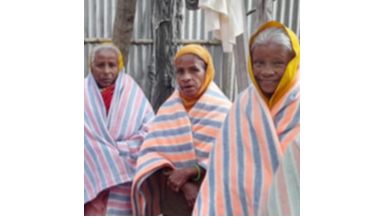
Bangladesh remains one of the most densely populated countries in the world, and despite decades of economic growth, food insecurity continues to affect a substantial share of its population. Poverty, seasonal flooding, cyclones, and limited infrastructure in rural areas combine to create persistent barriers to consistent nutrition, particularly in remote northern districts where access to markets, healthcare, and emergency services is limited.
Understanding the Scale of the Problem
According to the World Food Programme, tens of millions of people across Bangladesh face moderate to severe food insecurity at any given time. Rural households are disproportionately affected, often due to a combination of low income, limited landownership, and vulnerability to natural disasters that can wipe out crops or livestock in a matter of days. Children, the elderly, and people with disabilities tend to bear the heaviest burden, as they frequently lack the mobility or resources to travel long distances in search of food or aid.
Malnutrition remains a significant concern as well. National surveys have repeatedly found that a large percentage of children in Bangladesh do not meet minimum standards for dietary diversity, meaning their meals lack the variety of nutrients needed for healthy growth and development. This gap is especially pronounced in isolated communities where aid organizations struggle to maintain a consistent presence.
Why Standard Food Aid Often Falls Short
Food relief efforts are not always designed with local dietary habits in mind. Packages assembled without input from the communities they serve can include unfamiliar ingredients, incorrect proportions, or items that conflict with religious or cultural dietary practices. When this happens, food aid is sometimes underused, discarded, or sold rather than consumed, undermining the intended impact of the distribution effort.
Culturally appropriate aid addresses this problem directly. NFPs like Lotus Ministry Trust explain that by selecting staple foods that are already familiar to recipients, such as rice, lentils, and regionally significant vegetables, aid organizations increase the likelihood that packages will be fully utilized. Supplementary items like cooking oil, spices, and, in some cases, culturally significant additions such as yogurt further improve both the nutritional completeness and the acceptability of the food provided.
The Role of Community Knowledge in Effective Distribution
Reaching remote and underserved communities requires more than simply having food available. Distribution networks that rely on local knowledge tend to be more effective at identifying which households face the greatest need, including families led by elderly individuals without support, those affected by disability, or households lacking stable income. Community members familiar with a given village are often better positioned to navigate difficult terrain, identify trustworthy distribution points, and ensure that aid reaches people who might otherwise be overlooked.
This local knowledge also plays a role in addressing mobility barriers. Elderly and disabled individuals frequently cannot travel to centralized distribution points such as schools, community centers, or places of worship. Programs that incorporate home delivery for these groups help ensure that physical limitations do not become a barrier to receiving essential nutrition.
Food Safety and Long-Term Impact
Beyond cultural relevance, food safety remains a critical component of effective aid distribution. Sourcing ingredients from trusted suppliers and conducting regular quality inspections helps prevent the spread of foodborne illness, which can be particularly dangerous in communities already facing malnutrition and limited access to healthcare.
The long-term impact of culturally appropriate, consistently delivered food aid extends beyond immediate hunger relief. Reliable access to nutritious food allows families to redirect time and resources toward other priorities, including education, income generation, and long-term recovery from natural disasters. For children in particular, consistent nutrition during critical developmental years can have lasting effects on physical and cognitive health.
Addressing Food Insecurity Requires Sustained, Localized Effort
Solving food insecurity in Bangladesh, particularly in remote and rural areas, is unlikely to result from any single intervention. It requires a sustained combination of culturally informed food packages, strong community partnerships, and distribution methods flexible enough to reach those who cannot access aid through conventional means. As natural disasters and economic pressures continue to affect vulnerable populations, the organizations best positioned to make a lasting difference are those willing to adapt their approach to the specific needs, traditions, and circumstances of each community they serve.
Lotus Ministry Trust
City: San Francisco
Address: 1355 Post St
Website: https://www.lotus-ministry.org/
Email: lotus.ministry.trust@gmail.com


Comments
Post a Comment