Composite Bonding in Nottingham: Price, How It Works & What to Expect
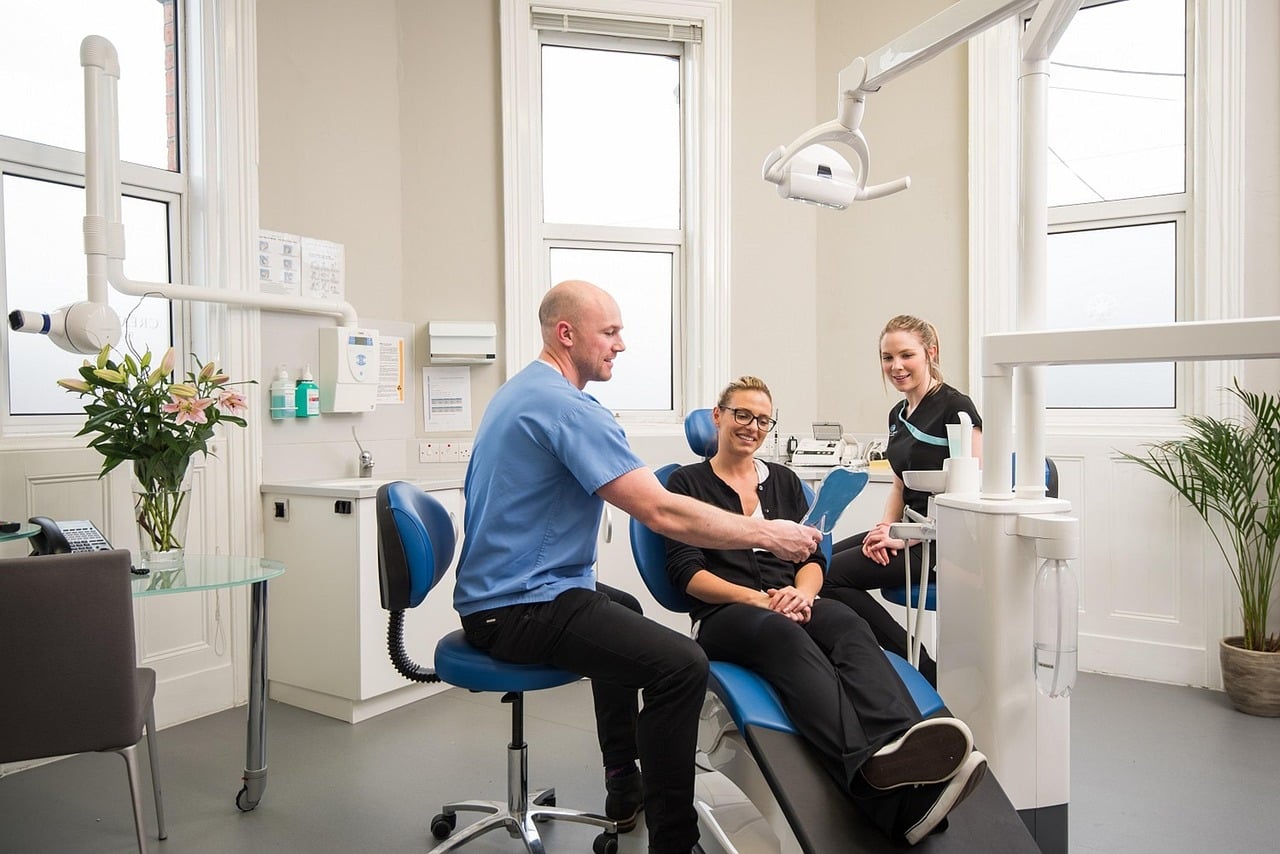
Key Takeaways
- Composite bonding splits into two distinct treatments: edge bonding (£150-£250 per tooth) for minor chips and unevenness, and full-coverage bonding (£300-£500 per tooth) for complete shape, length, or colour changes.
- The procedure preserves nearly all natural tooth structure - no drilling required - making it one of the most reversible cosmetic dental options available.
- A full front-teeth makeover (6-10 teeth) with full-coverage bonding can run £1,500-£5,000, yet still sits well below the cost of porcelain veneers.
- Results can last 5-10 years depending on oral hygiene and lifestyle habits - and the longevity difference between bonding types is worth understanding before committing.
The £150-£500 price range for composite bonding often raises an immediate question: why is there such a wide gap? The answer lies in what is actually being treated. Understanding the two distinct types of bonding - and what each one involves - makes the pricing far easier to interpret, and helps set realistic expectations before booking a consultation.
According to the local expert team at Arnold Dental & Implant Centre, many patients are surprised to learn that composite bonding covers more than one type of cosmetic treatment. The amount of the tooth being restored has a direct impact on the complexity of the procedure, the time involved, and ultimately the overall cost.
Why the Price Range Is So Wide
That broad price range reflects two genuinely different procedures. Edge bonding and full-coverage bonding share the same core material (tooth-coloured composite resin) and the same basic technique, but they differ significantly in scope, chair time, and the kind of result they deliver.
Edge bonding sits at the lower end of the range because it treats only a small portion of the tooth. Full-coverage bonding sits higher because the dentist is resculpting the entire visible surface. Knowing which one applies to a specific concern is the most practical first step in understanding what treatment will cost - and what it will achieve.
Edge Bonding: Small Fix, Lower Price
What It Corrects
Edge bonding is designed for minor imperfections along the biting edge of a tooth - small chips, slight unevenness, or subtle wear that catches the eye without requiring a full makeover. A single chipped incisor or a slightly jagged canine tip are the kinds of issues edge bonding handles well. Because only the edge is being treated, the amount of resin used is modest and the shaping work is far less involved than full-coverage work.
Why It Costs Less
The reduced cost comes down to time and material. Edge bonding typically takes 30-45 minutes per tooth, uses a small amount of composite resin, and requires minimal preparation of the tooth surface. At £150-£250 per tooth, it is one of the most accessible cosmetic dental procedures available privately in the UK - and it is completed in a single visit.
Full-Coverage Bonding: Complete Transformation
Shape, Length & Colour Changes
Full-coverage composite bonding takes a different approach. Rather than addressing just the tip of a tooth, resin is applied across the entire front surface - allowing the dentist to alter the tooth's shape, lengthen it, close a gap, or bring it in line with the surrounding teeth in both form and shade. This makes full-coverage bonding particularly well-suited to cases involving multiple cosmetic concerns at once: a tooth that is both too short and slightly discoloured, for instance, or a gap combined with irregular edges.
Full Smile Makeover Costs
Treating a full set of front teeth - typically 6 to 10 teeth - with full-coverage bonding brings the total cost to somewhere between £1,500 and £5,000, depending on the number of teeth involved and the complexity of the case. That figure sounds significant, but a direct comparison is useful: porcelain veneers for 6 to 8 teeth typically range from £3,500 to £8,000 or more, depending on the clinic and material. The cost gap is real and substantial.
How the Procedure Actually Works
Whitening First, Then Bonding
One step that often catches patients off guard: teeth are frequently whitened before composite bonding begins. This matters because the resin is shade-matched to the existing teeth at the time of application - and once set, it cannot be whitened further. Whitening first ensures the bonding matches a brighter baseline, rather than locking in a shade the patient may later want to change. This sequencing point can affect the overall cost and timeline of treatment, and is worth raising at an initial consultation.
Minimal Prep, Most Tooth Preserved
The bonding procedure itself follows a straightforward sequence:
- Consultation - oral health is assessed, and the desired outcome is planned.
- Preparation - the tooth surface is cleaned and lightly etched (roughened) to help the resin bond securely. No drilling is involved.
- Application - tooth-coloured resin is placed and carefully shaped by hand.
- Curing - a blue UV light hardens the resin in seconds.
- Polishing - the bonded tooth is smoothed and finished to look and feel natural.
The entire process for a single tooth typically takes 30-60 minutes. Because little to no natural tooth structure is removed, the procedure is generally considered reversible - the resin can be taken off or repaired without significant damage to the tooth underneath. This sets it apart from traditional veneers, which require permanent enamel reduction.
Composite Bonding vs Veneers: Real Cost Gap
Porcelain veneers are the most common comparison point for composite bonding - and the price difference is not marginal. In the UK, porcelain veneers typically cost £500-£1,000 per tooth, sometimes more depending on the clinic and material. For a 6-tooth smile makeover, that puts veneers at a minimum of £3,000 and often considerably higher.
Composite bonding - even full-coverage at £300-£500 per tooth - sits well below that threshold. The trade-off is durability and the specific aesthetic qualities of porcelain, which has a translucency that is difficult to fully replicate in resin. For patients who want a meaningful cosmetic improvement without the invasiveness or cost of veneers, the gap is hard to ignore.
There is also the reversibility factor. Veneers require enamel to be filed down permanently; bonding does not. That irreversibility is a significant consideration for younger patients or anyone uncertain about committing to a permanent change.
How Long Does Bonding Last?
Composite bonding typically lasts 5 to 10 years, though the actual lifespan depends heavily on a few key variables:
- Oral hygiene - regular brushing, flossing, and dental check-ups keep the resin in better condition for longer.
- Diet - highly pigmented foods and drinks (coffee, red wine, berries) can stain resin over time.
- Habits - teeth grinding (bruxism), nail biting, or using teeth to open packaging can chip or wear bonding faster than normal use would.
Edge bonding, covering only a small area, may need touching up sooner than full-coverage work - simply because the edge of a tooth takes more direct force during biting. A night guard is often recommended for patients who grind their teeth, to protect both natural enamel and any bonded surfaces. When bonding does chip or wear, repair is generally straightforward - and far less involved than replacing a veneer.
Making the Right Choice
Composite bonding offers a flexible way to improve a smile without the permanent commitment of more invasive cosmetic treatments. Understanding the difference between edge bonding and full-coverage bonding, how each procedure works, and what influences the final cost makes it much easier to decide whether the treatment is the right fit.
Price is a natural starting point, but the more useful question is which treatment actually fits the problem. The extent of the cosmetic concern, the desired outcome, how long the restoration needs to last, and how much natural tooth structure is preserved all factor into that decision. A consultation with a qualified dentist is ultimately the clearest way to understand what's realistic — and what result you can expect.
Arnold Dental & Implant Centre
City: Nottingham
Address: 77C High Street, Arnold
Website: https://arnolddental.co.uk/


Comments
Post a Comment