Are Hidden Cameras Illegal in the US? What the Law Actually Says
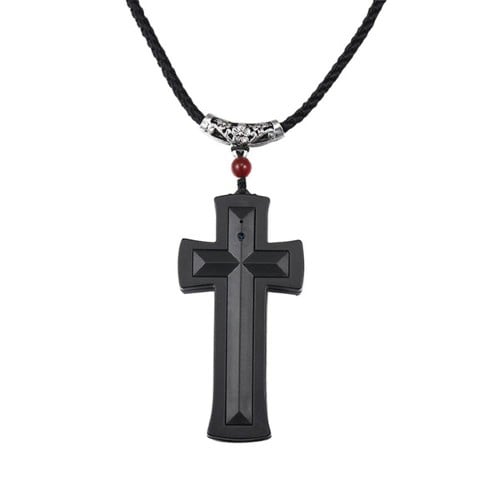
Hidden cameras are legal in most everyday situations across the United States, but the answer is not a simple yes or no. Whether a hidden camera is lawful depends on where it is placed, who is being recorded, and whether audio is captured alongside video. Understanding these distinctions matters for anyone considering a covert camera for home, office, or caregiver monitoring.
Recording in Your Own Home
In general, property owners have broad rights to install hidden cameras inside their own homes. Experts from Best Safety for Less explain that monitoring common areas such as living rooms, kitchens, entryways, and home offices is legal in all 50 states, since there is no reasonable expectation of privacy in these shared spaces. This is why nanny cams and general home monitoring devices are widely sold and used without legal issue.
The picture changes in areas where someone has a reasonable expectation of privacy, such as bathrooms, bedrooms used by guests, or changing areas. Recording video in these spaces without consent is illegal nationwide, regardless of who owns the property, and can result in criminal charges tied to voyeurism or invasion of privacy statutes.
Audio Recording Adds Another Layer
Video-only recording and audio recording are treated differently under the law, and this is where many people run into trouble. Most states follow one-party consent rules, meaning only one person involved in a conversation needs to be aware it is being recorded. Since the person operating the camera typically counts as that one party, audio recording in these states is generally permitted.
A smaller group of states requires consent from every party involved in a conversation before it can be legally recorded. As of 2026, twelve states fall into this category: California, Connecticut, Delaware, Florida, Illinois, Maryland, Massachusetts, Montana, New Hampshire, Oregon, Pennsylvania, and Washington. In these states, recording audio without the knowledge of everyone present can carry criminal penalties, even inside a private home. Some of these states apply the rule only to certain formats, such as phone calls versus in-person conversations, so the exact requirements vary by state and by method of communication.
Because of this variation, anyone using a hidden camera that captures audio should check their specific state's statute rather than assume the same rule applies everywhere.
Monitoring Employees or Caregivers
Hidden cameras are commonly used to monitor nannies, home health aides, and other caregivers, and this use is generally legal within the areas of a home where there is no expectation of privacy. However, employment law can add additional restrictions in workplace settings, particularly around break rooms, changing areas, or spaces where employees are told they will not be recorded. Business owners considering hidden cameras in an office setting should be aware that some states require notice to employees, even when video-only recording is otherwise legal.
Public Spaces and Someone Else's Property
Recording in public spaces is generally legal, since there is little expectation of privacy in most public settings. However, using a hidden camera on someone else's private property without permission can raise separate legal issues, including trespassing, regardless of whether the recording itself is otherwise lawful.
What This Means for Everyday Use
For most personal uses, such as monitoring a home, checking in on a caregiver, or keeping an eye on a small office, hidden cameras fall well within the law. The situations that create legal risk are narrow but significant: recording in private spaces like bathrooms and bedrooms, recording audio in a two-party consent state without informing everyone present, and using a camera on property that is not yours without permission.
Anyone considering a hidden camera should think through where it will be placed, whether it records audio, and what their specific state requires. A basic understanding of these rules is enough to use hidden cameras responsibly and stay well within legal boundaries.
Best Safety For Less
City: Brooklyn
Address: 5110 19th Ave #323
Website: https://bestsafetyforless.com
Phone: +1 347 986 6725
Email: william@bestsafetyforless.com


Comments
Post a Comment