AC Not Cooling House Properly? San Antonio Experts Break Down the Causes
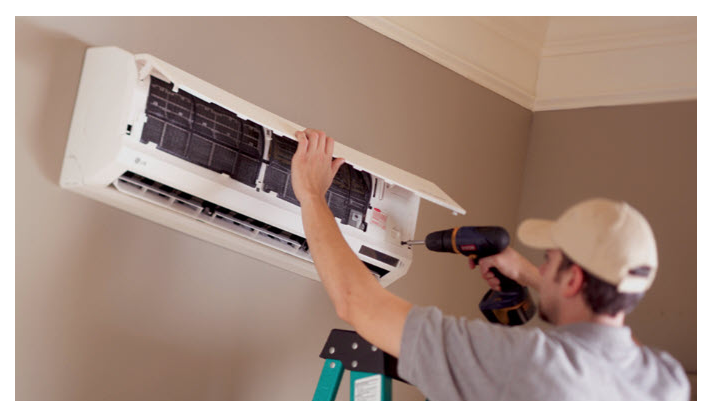
Air conditioning problems in homes often trace back to a handful of recurring mechanical and maintenance issues that intensify during periods of sustained heat and heavy system use. Understanding what actually causes a system to underperform — rather than guessing — tends to make the difference between a quick fix and a recurring problem.
Refrigerant Levels and Leaks
One of the most frequent reasons an air conditioner fails to cool properly involves refrigerant, the substance responsible for absorbing heat from indoor air.
When refrigerant levels drop below the manufacturer's specification, typically due to a leak in the coils or connecting lines, the system loses its ability to remove heat efficiently. Homes may still feel air moving through the vents, but that air will feel warmer than expected. Low refrigerant also forces the compressor to work harder, which can shorten the lifespan of the unit if left unaddressed.
Dirty or Clogged Air Filters
A clogged air filter restricts airflow into the system, forcing the unit to draw air through a blocked pathway. This reduces the volume of cooled air reaching living spaces and can cause the evaporator coil to freeze over, which further limits cooling capacity.
In San Antonio, systems often run for extended stretches of the year, so filters can accumulate dust, pollen, and debris faster than in milder climates, making regular replacement an important preventive step.
Dirty Evaporator or Condenser Coils
Coils that accumulate dirt, dust, or debris lose their ability to transfer heat effectively. The evaporator coil, located indoors, absorbs heat from the air inside the home, while the condenser coil, located outdoors, releases that heat outside. When either coil is coated in grime, the heat exchange process slows down, resulting in a system that runs constantly but cools inconsistently. Outdoor condenser units are particularly vulnerable to debris buildup from surrounding landscaping and dust.
Electrical and Capacitor Problems
Capacitors store and release the electrical charge needed to start the compressor and fan motors. When a capacitor weakens or fails, the system may struggle to start, cycle on and off rapidly, or stop running altogether.
Experts from Pepcal Heating & Air, San Antonio, Texas, explain that electrical connections that have loosened or corroded over time can produce similar symptoms, including intermittent operation or a unit that trips its breaker. These issues tend to develop gradually, which is why homeowners often notice subtle performance changes before a complete failure occurs.
Improperly Sized or Installed Equipment
An air conditioner that is too small for a home will run continuously without ever fully cooling the space, while an oversized unit will cycle on and off too quickly, leaving humidity levels high even when temperatures feel comfortable.
Sizing depends on square footage, insulation quality, window placement, and local climate conditions, making it a calculation that benefits from professional load assessment rather than estimation. Improper installation, including incorrectly connected refrigerant lines or inadequate airflow clearance, can also limit a system's rated performance.
Ductwork Leaks and Airflow Restrictions
Even a properly functioning air conditioner cannot deliver consistent cooling if the ductwork carrying that air is compromised. Leaking, disconnected, or poorly insulated ducts allow cooled air to escape into attics or crawl spaces before reaching living areas. This often results in certain rooms feeling noticeably warmer than others, despite the system running normally. Blocked vents, closed dampers, and obstructed airflow can produce similar room-to-room temperature inconsistencies.
Thermostat Malfunctions
A thermostat that has lost calibration, has faulty wiring, or is placed in a location exposed to direct sunlight or drafts can send inaccurate signals to the cooling system. This may cause the unit to shut off before a home reaches the desired temperature or run longer than necessary. In some cases, what appears to be a cooling failure is actually a thermostat issue rather than a problem with the air conditioner itself.
Recognizing the Underlying Cause
Because many of these issues produce similar symptoms, such as warm air, inconsistent cooling, or a system that runs without lowering the temperature, identifying the actual source often requires closer inspection of refrigerant levels, electrical components, airflow, and ductwork rather than relying on surface observations. Addressing the root cause, rather than the most visible symptom, tends to produce more lasting results for households dealing with recurring cooling problems.
Pepcal Heating & Air Conditioning
City: San Antonio
Address: 6923 W Loop 1604 N STE 207
Website: https://pepcalac.com/
Phone: +1 210 460 3821
Email: contact@pepcalac.com


Comments
Post a Comment