What Is Pink Gene Fluffy French Bulldog Low Shedding Myth Reality?
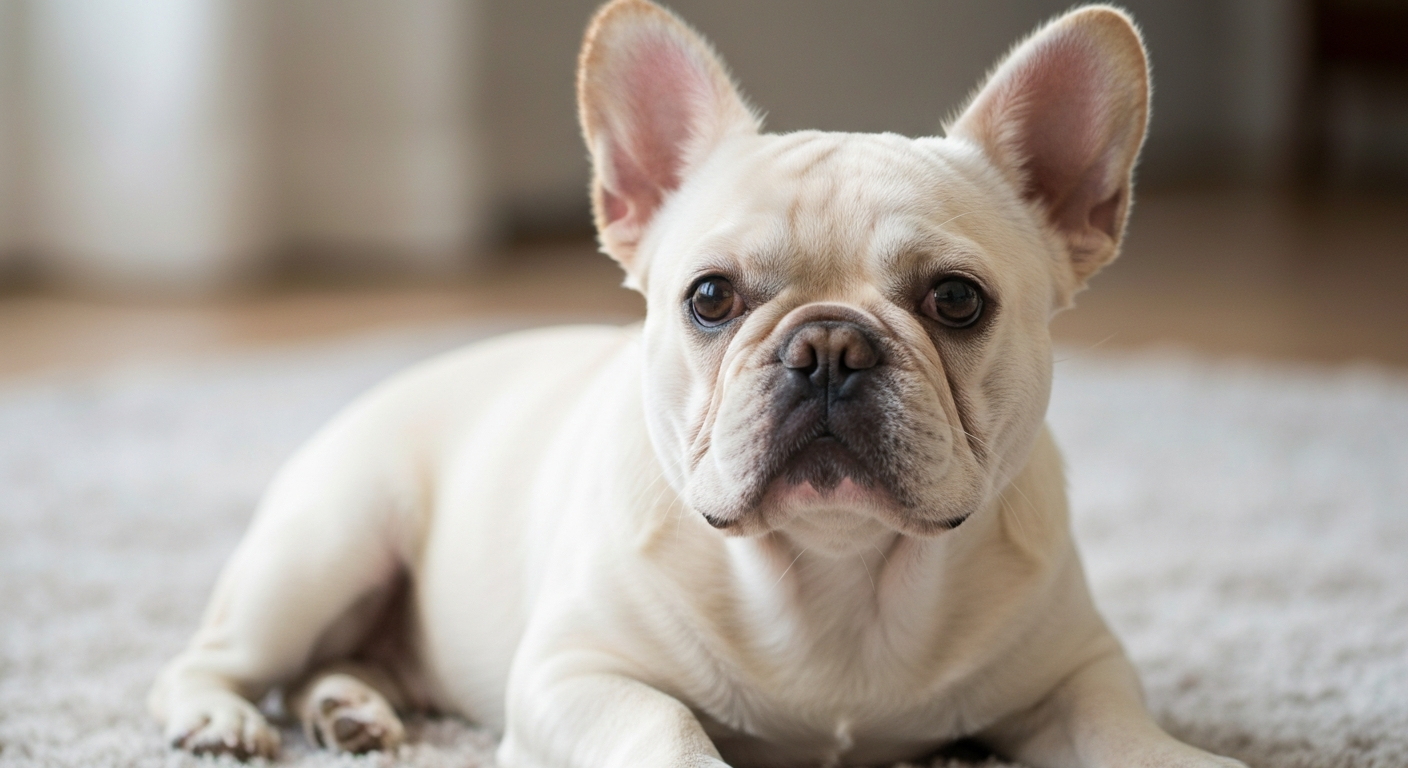
Key Takeaways
- There is no scientifically recognized "pink gene" in French Bulldogs - what looks "pink" is actually an extreme dilution of existing color genes like lilac or Isabella.
- The fluffy coat in French Bulldogs comes from the FGF5 (L4/LH) gene, a naturally occurring recessive gene within the breed's lineage - no crossbreeding required.
- Fluffy French Bulldogs shed moderately and are not hypoallergenic, despite what some sellers may claim.
- Fluffy Frenchies are purebred and AKC-registerable, but their coat disqualifies them from conformation show competition - a distinction worth understanding before buying.
- Read on to learn how coat color genetics, shedding reality, and grooming needs should shape what every buyer expects from a Fluffy Frenchie.
Fluffy French Bulldogs are among the most talked-about dogs on the internet right now - and with that attention comes a wave of marketing claims that blur the line between genetics and guesswork. Terms like "pink gene" and "low shedding" appear regularly in breeder listings, and prospective buyers often walk away confused or, worse, misled. Here is a clear-eyed breakdown of what is real, what is myth, and what the science actually says.
The 'Pink Gene' Is Misunderstood - Not Nonexistent
The phrase "pink gene" sounds exotic, but it has no standing as a recognized genetic term in canine science. No laboratory test, no peer-reviewed study, and no credentialed geneticist identifies a standalone gene called "pink" in French Bulldogs. What breeders and enthusiasts are actually describing - often without realizing it - are the visual effects of extreme color dilution produced by combinations of well-documented genes.
The confusion is understandable. Some very rare Frenchies display coats so light and washed-out that they appear almost pinkish in certain lighting. That optical effect has led to the "pink" label sticking in marketing language. But the underlying genetics are far more specific than a single catchy word suggests. A thorough breakdown of what the pink gene fluffy French Bulldog low shedding myth and reality actually involves reveals that the truth is rooted in layered color genetics - not a magical new trait.
What Actually Makes a Frenchie 'Fluffy'
The FGF5 (L4/LH) Gene Explained
The fluffy coat is caused by the Fibroblast Growth Factor 5 (FGF5) gene, also referred to as the L4 or LH (long hair) gene. This is a recessive gene, meaning a puppy must inherit two copies - one from each parent - to display the longer coat. A dog with only one copy will look like a standard short-haired Frenchie but carries the trait silently.
This gene is responsible for long or extended coats across several dog breeds. Its presence in French Bulldogs is a natural genetic variation, not evidence of crossbreeding with Pekingese, long-haired Chihuahuas, or any other outside breed - a rumor that has circulated for decades without proof. Reputable breeders today use DNA testing to identify FGF5 carriers, allowing intentional pairing that produces fluffy litters while maintaining a fully purebred lineage.
Long Coats Have Always Been in the Lineage
Fluffy Frenchies are not a modern invention. The LH gene has likely been present at low frequency in the French Bulldog gene pool since the breed's early development in 19th-century England and France. For most of that history, the trait was treated as a fault - puppies displaying it were quietly removed from breeding programs, keeping the gene rare and largely invisible. Only in recent years, as interest in unique coat types has grown, have breeders begun deliberately surfacing it. The gene did not appear out of nowhere; it was simply suppressed.
Where 'Pink' Color Claims Come From
Albinism and the SLC45A2 ('Cal/Pink') Gene
There is one gene that occasionally gets tagged with the "pink" label for a legitimate reason: SLC45A2, sometimes called the "Cal" or "pink" gene in informal breeding communities. Mutations in this gene are associated with a form of oculocutaneous albinism in dogs, producing extremely pale pigmentation - including very light eyes and a near-white or faintly pinkish coat. The "pink" label used in breeder circles is informal shorthand, not standardized scientific nomenclature, and the pale appearance it produces is a form of albinism rather than a separate phenomenon.
Extreme Dilution: Lilac, Isabella, and Platinum
The coat colors most often sold under the "pink" label are better described as lilac, Isabella, or platinum. These colors result from stacking multiple dilution genes:
- Lilac - a combination of the blue dilution gene (MLPH) and the chocolate gene (TYRP1), producing a silvery-purple tone.
- Isabella - a distinct dilute shade produced by the same blue (d/d) and chocolate (b/b) gene combination as lilac, but presenting as a warm, fawn-lilac or soft grayish-pink hue; the two terms are sometimes used interchangeably, though Isabella typically describes a specific warmer expression within that color range.
- Platinum - an extreme version where the base color is so diluted the dog appears nearly white, sometimes with a faint pinkish or cream hue.
None of these are produced by a single "pink gene." Each results from two or more interacting recessive genes acting on pigment. The "pink" appearance is a lighting effect, not a distinct genetic category - and buyers paying a premium for a "pink gene" dog are paying for a marketing term, not a verified trait.
Do Fluffy French Bulldogs Actually Shed Less?
Moderate Shedding: The Honest Reality
This is where many buyers feel genuinely misled. The longer coat on a Fluffy Frenchie does not mean less shedding. Fluffy French Bulldogs shed at a moderate level - comparable to, and sometimes slightly more than, their short-haired counterparts. The key difference is that the hairs are longer, so they may clump together on furniture rather than weaving into fabric the way short hairs do. That can make shedding seem less obvious day-to-day, which may be the origin of the "low shedding" claim - but the hair is still coming out.
Seasonal shedding increases in spring and fall, when Fluffy Frenchies blow coat more noticeably as they adjust to temperature changes. Regular brushing - at least 1-2 times per week, or every other day during heavy shed seasons - is the most effective way to manage loose hair before it ends up on the couch.
Why 'Hypoallergenic' Is a Dangerous Myth
Fluffy French Bulldogs produce dander and shed hair just like any other dog. Dander - not hair length - is the primary trigger for most dog allergies. No French Bulldog, fluffy or otherwise, qualifies as hypoallergenic. For anyone with dog allergies considering a Fluffy Frenchie based on a seller's claim of being "low allergen," that claim is false. Frequent vacuuming, air purifiers, and regular grooming can reduce exposure, but they do not eliminate the risk.
Purebred? Yes. Show-Eligible? No.
FGF5 Is a Natural Frenchie Gene - Not a Foreign Breed Crossover
A Fluffy French Bulldog produced by two FGF5-carrier purebred Frenchies is itself a purebred French Bulldog. The recessive gene responsible for the coat has always existed within the breed's DNA. Ethical breeders who DNA-test their stock and document lineage accurately are producing genuinely purebred animals - not designer hybrids. The Kennel Club has no historical record of coat length or type as a criterion in French Bulldogs, meaning fluffy variants have not been excluded from pedigree status on those grounds.
AKC Registration vs. AKC Conformation Standards
Here is the distinction that matters: AKC registration confirms a dog's lineage and purebred status. AKC conformation standards define what a dog must look like to compete in the show ring. The French Bulldog breed standard specifies a short, smooth coat - so a Fluffy Frenchie, regardless of how pure its lineage is, will be disqualified from conformation events. A Fluffy Frenchie can be fully AKC-registered as a French Bulldog; it simply cannot step into the show ring and be judged against the breed standard. For a family companion, that distinction rarely matters. For buyers interested in showing, it matters a great deal.
Managing a Fluffy Frenchie's Coat the Right Way
Brushing Frequency and Tools
For regular brushing, a gentle rubber curry brush or silicone brush works well for French Bulldogs' sensitive skin. A medium-tooth comb or slicker brush can be useful during heavier shedding periods or for working through specific tangles. Focus on the areas where the coat grows thickest and is most prone to matting: behind the ears, around the neck and chest "mane," and the backs of the legs. Work from the tips of the fur inward to gently separate tangles before they tighten. Most Fluffy Frenchies tolerate - and genuinely enjoy - brushing, especially when introduced to it as puppies with positive reinforcement.
Seasonal Shedding and Grooming Tips
During spring and fall shed cycles, increase brushing frequency and consider a professional de-shedding treatment from a groomer familiar with medium-coated small breeds. Bathing every 4-8 weeks with a gentle, oatmeal-based dog shampoo followed by conditioner keeps the coat soft and skin healthy. After bathing, pat-dry rather than rub, and use a low-heat blow dryer at a safe distance if needed - brushing while drying prevents mats from forming as the coat sets. Fluffy Frenchies do not need regular haircuts the way Poodles or Shih Tzus do, as the FGF5 gene produces a coat that reaches a natural length limit rather than growing continuously.
Real Genetics, Realistic Expectations: What Every Buyer Should Know
The Fluffy French Bulldog is a genuinely remarkable dog - same loyal, goofy, people-obsessed personality as any Frenchie, wrapped in a softer, more visually striking coat. But that coat comes with honest responsibilities. It sheds. It needs regular brushing. It does not make the dog hypoallergenic. And the colors marketed as "pink" are beautiful dilutions produced by stacking documented genes - not proof of some exotic new discovery.
Buyers who go in with accurate expectations - about grooming time, about allergen reality, about what "pink" actually means genetically - are far better positioned to give a Fluffy Frenchie the home it deserves. The premium price tag on these dogs should reflect the quality of the breeder's health testing and DNA documentation, not the novelty of a made-up gene name.
For more in-depth guides on French Bulldog genetics, care, and what to look for in a reputable breeder, LeSnort's French Bulldog blog is a regularly updated resource built for owners and prospective buyers alike.
LeSnort
City: Post Falls
Address: 3312 N Backweight Loop
Website: https://lesnort.com/blogs/french-bulldogs/


Comments
Post a Comment