What Is Epistolary Fiction: History, Popular Genres & Modern Appeal
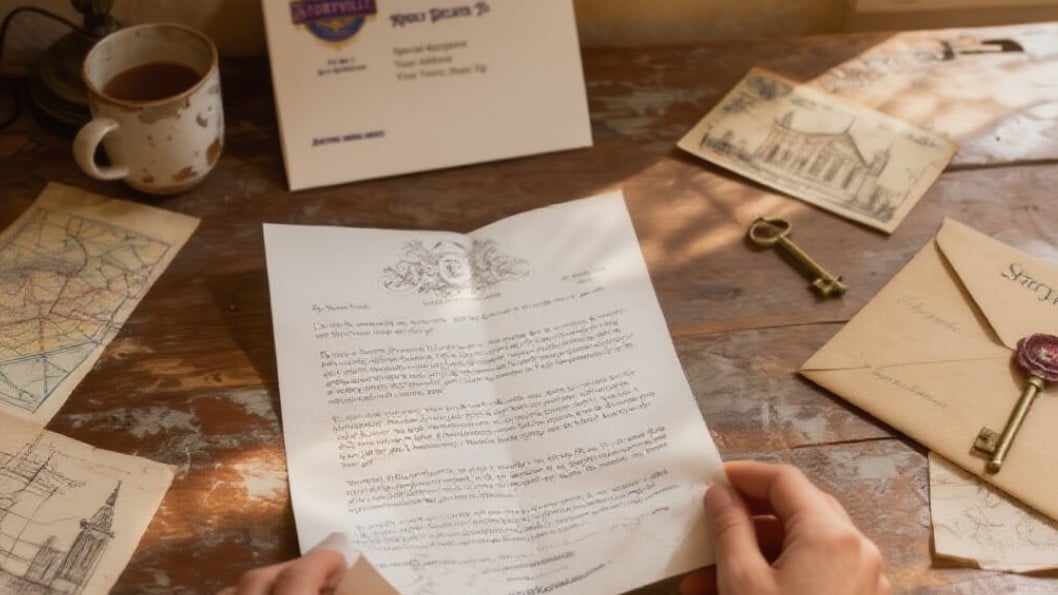
Dearest gentle reader,
In an era dominated by instant messaging, streaming platforms, and algorithm-driven content, one of literature’s oldest storytelling formats is experiencing an unexpected revival. Epistolary fiction — stories told through letters, diary entries, newspaper clippings, transcripts, and personal correspondence — is once again attracting readers seeking slower, more immersive experiences than conventional digital entertainment often provides. In an age dominated by instant digital communication, an ancient storytelling format is experiencing an unexpected renaissance. Epistolary fiction—stories told through letters, diary entries, and documents—has captured the imagination of modern readers seeking more personal, immersive narrative experiences than traditional novels can provide.
More Epistolary Novels Published This Century Than Any Previous Era
The numbers tell a compelling story about epistolary fiction's modern appeal. Despite being most closely associated with 18th-century classics like Dracula or Samuel Richardson's "Clarissa" and "Pamela," the sheer volume of epistolary novels published since 2000 exceeds that of any prior era. This surge isn't simply due to increased publishing opportunities—it reflects a genuine reader appetite for stories that feel more personal and authentic than conventional narrative formats.
Works like Stephen Chbosky's "The Perks of Being a Wallflower" and Alice Walker's "The Color Purple," though published earlier, continue to influence contemporary epistolary fiction and demonstrate the format's enduring appeal. Recent 21st-century epistolary works like Max Brooks' "World War Z" and even TV's "Bridgerton" have achieved both critical acclaim and commercial success, proving the format's continued relevance for modern audiences.
Modern interpretations often feature fragmented narratives using diary entries, newspaper clippings, email exchanges, and social media posts alongside traditional letters. This evolution keeps the format relevant while preserving its essential intimacy.
What Makes Letter-Based Stories Feel More Personal
Epistolary fiction creates an unmatched sense of intimacy that draws readers deeper into fictional worlds than traditional third-person narratives. This personal connection stems from several psychological factors that make letters feel more authentic and emotionally engaging.
1. Direct Access to Character Thoughts
Letters provide unfiltered access to characters' inner worlds without the mediation of a narrator. When readers encounter a character's private correspondence, they experience thoughts and emotions in real-time, creating what Samuel Richardson called "writing to the moment." This immediacy makes fictional events feel more authentic and emotionally resonant than processed narrative descriptions.
2. Voyeuristic Intimacy Through Private Correspondence
Reading an epistolary novel feels like discovering someone's secret diary or intercepting private messages. This voyeuristic element creates psychological engagement that traditional novels struggle to match. The sense of accessing forbidden or private information makes readers feel like conspirators in the story, heightening emotional investment in characters and plot outcomes.
3. Real-Time Emotional Connection
Letters capture emotions at their peak intensity, preserving raw feelings that might be softened or intellectualized in retrospective storytelling. Characters write when they're angry, afraid, or in love, allowing readers to experience these emotions alongside them. This temporal immediacy creates empathetic connections that persist long after finishing the story.
How Modern Storyletters Transform Reading Into Experience
Today's epistolary fiction goes beyond simple letter exchanges to create fully immersive experiences that engage multiple senses and extend beyond reading sessions. These innovations transform passive consumption into active participation in fictional worlds.
Physical Artifacts Create Immersive Worlds
Modern storyletters often include physical objects that connect readers to fictional narratives. Recipe cards from cozy mystery protagonists, vintage postcards from historical fiction characters, or cryptic notes from thriller antagonists transform reading spaces into crime scenes, historical settings, or romantic locations. These tangible elements make stories feel real in ways digital media cannot replicate.
The tactile experience of handling aged paper, examining handwriting styles, or discovering hidden messages in envelope margins engages cognitive processes beyond simple text reading. Readers become amateur detectives, historians, or archaeologists, actively participating in story construction rather than passively receiving information.
Serialization Builds Genuine Anticipation
Unlike binge-reading novels, serialized storyletters create authentic waiting periods that mirror characters' experiences. When fictional characters must wait weeks for important news, readers experience similar anticipation by waiting for the next postal delivery. This temporal alignment between reader and character experience deepens emotional engagement and makes plot developments feel more impactful.
The anticipation of checking mailboxes for new installments recreates the excitement previous generations felt waiting for Charles Dickens' latest chapters in periodicals. This forced pacing allows readers to fully absorb story elements and build emotional connections that rapid consumption often prevents.
Why Readers Crave Tactile Stories in the Digital Age
As digital screens dominate daily life, readers increasingly seek physical experiences that provide relief from constant electronic stimulation. This trend extends beyond simple nostalgia to include genuine psychological and cognitive benefits that physical reading materials provide.
Screen Fatigue Drives Return to Physical Media
Extended screen exposure causes eye strain, headaches, and disrupted sleep patterns that make physical reading more appealing. Paper-based stories offer respite from blue light exposure while providing the tactile satisfaction of holding real objects. Many readers report feeling more relaxed and focused when engaging with physical letters compared to digital texts.
The conscious effort to reduce screen time has created market demand for analog entertainment experiences. Physical storyletters satisfy this need by providing engaging content that doesn't contribute to digital fatigue or require electronic devices.
Cognitive Benefits of Handling Real Letters
Studies on tactile reading, particularly research involving Braille, demonstrate that physical text engagement stimulates brain regions beyond those activated by digital text consumption. Physically handling letters can improve fine motor skills, spatial awareness, and memory retention through multi-sensory engagement. The tactile experience of feeling paper texture, seeing ink variations, and manipulating physical objects creates stronger neural pathways than screen-based reading.
The cognitive benefits extend to emotional processing and empathy development. Physical letters require more deliberate attention than digital texts, leading to deeper understanding and stronger emotional connections with fictional characters.
Deeper Personal Connections Through Handwritten Communication
Handwritten elements in modern storyletters tap into primal human responses to personal communication. The slight irregularities, pressure variations, and unique characteristics of handwriting create psychological intimacy that typed text cannot replicate. Even when storyletters use typewriters or custom fonts, the physical presence of ink on paper feels more personal than pixels on screens.
This tactile intimacy explains why love letters, sympathy cards, and personal notes retain emotional significance despite digital alternatives. Fictional letters use these same psychological triggers to create stronger reader engagement and emotional investment.
Popular Genres Thriving in Epistolary Format
Certain genres naturally complement the epistolary format's strengths, creating particularly successful storytelling experiences that showcase the medium's unique advantages.
Cozy Mysteries with Clues and Keepsakes
Cozy mysteries excel in epistolary format because letters can contain actual clues, maps, and evidence that readers examine alongside fictional detectives. Recipe cards from small-town bakers, handwritten notes from suspicious neighbors, and newspaper clippings about mysterious events transform readers into active participants in solving crimes. The gentle pace of cozy mysteries aligns perfectly with serialized delivery, allowing readers to savor details and form theories between installments.
Physical artifacts like pressed flowers, fabric samples, or vintage photographs add atmospheric details that improve the cozy mystery experience. These tangible elements create the intimate, small-town feeling that defines the genre while providing genuine investigative materials.
Romance Through Love Letters and Confessions
Romance has deep historical connections to epistolary fiction, from medieval courtly love letters to Victorian correspondence novels. Modern romantic storyletters capture the anticipation, longing, and emotional intensity that make love letters eternally compelling. The physical act of receiving romantic correspondence creates emotional experiences that digital communication cannot replicate.
Serialized romantic storyletters can include pressed flowers, vintage postcards, or handwritten poetry that improves the romantic atmosphere. The waiting period between letters mirrors real courtship rhythms, building tension and emotional investment that instant communication often diminishes.
Horror via Found Footage and Cryptic Warnings
Horror storyletters use the genre's found footage tradition by presenting disturbing letters, diary entries, and documents as if discovered by readers. The intimate nature of private correspondence makes horror elements feel more personal and threatening than traditional narrative approaches. Unreliable narrators work particularly well in epistolary horror because readers must interpret potentially delusional or compromised accounts.
Physical horror storyletters can include aged papers, mysterious stains, or damaged documents that improve the unsettling atmosphere. The privacy of reading letters alone at home amplifies horror elements by creating isolated, vulnerable reading experiences.
Experience Stories That Arrive in Your Mailbox
The revival of epistolary fiction represents more than nostalgic appreciation for historical communication methods. It reflects a fundamental human need for personal, immersive experiences that digital media struggles to provide. Physical letters offer tangible connections to fictional worlds while satisfying psychological desires for authentic, intimate communication.
Modern storyletters succeed by combining traditional epistolary strengths with contemporary innovation. They provide screen-free entertainment, cognitive engagement, and emotional satisfaction that addresses current cultural needs. The format's flexibility allows creators to incorporate various genres, artifacts, and delivery methods while maintaining the essential intimacy that makes epistolary fiction compelling.
All that remains to be said, then, is that this author will look forward to the next instalment with great anticipation.
Storyville Letters
City: Delta
Address: P.O. Box 21
Website: https://www.storyvilleletters.com/


Comments
Post a Comment