Tritoon vs Pontoon: Lake Marion Guide to Performance, Cost & Ride Quality
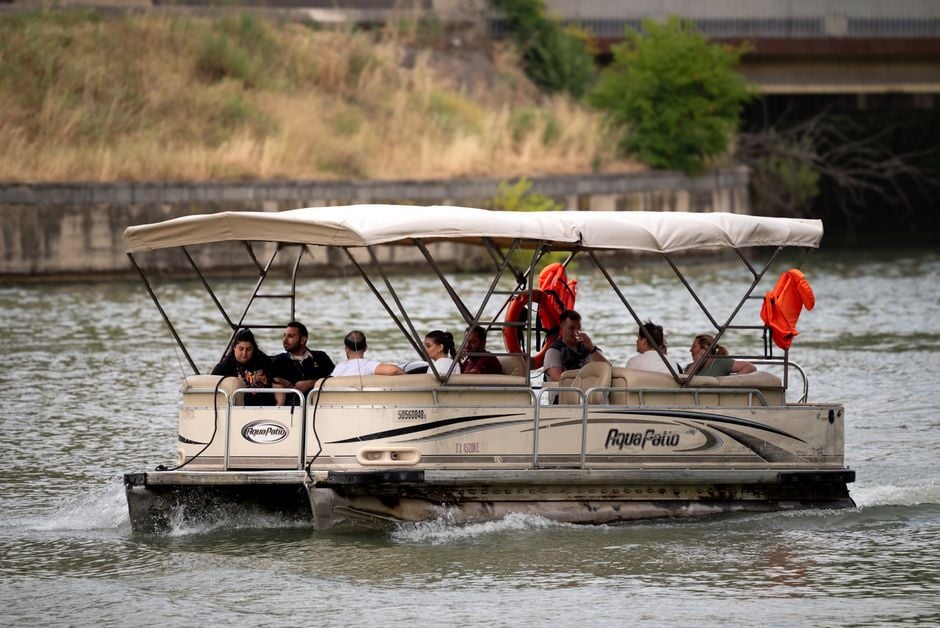
Key Takeaways
- A tritoon has three aluminum tubes (logs) under the deck instead of two - that single structural difference drives every performance, capacity, and cost gap on this list.
- Pontoons are the better value for calm-water cruisers and anglers; tritoons earn their higher price tag for all-day riders, watersports families, and anyone still on Lake Marion when the afternoon chop rolls in.
- Tritoons carry a higher sticker price but tend to hold resale value better than comparable pontoons - financing can close the gap more than most buyers expect.
- Five honest questions about crew size, towing plans, time on the water, budget, and seasonal running costs will almost always settle the decision - those questions are covered near the bottom of this guide.
Pontoon or tritoon - it's the first fork in the road for most Lake Marion buyers, and it catches people off guard more than it should. Both boats float on flat, open decks, seat a crowd comfortably, and make a summer afternoon on the water feel effortless. The differences show up once the engine fires and the afternoon wind starts building. Ride quality, top speed, towing power, and what the boat costs to own over time all trace back to one structural detail.
What Actually Separates a Tritoon From a Pontoon
Two Logs vs. Three: The Core Structural Difference
A standard pontoon boat floats on two parallel aluminum tubes, one running along each side of the deck. A tritoon adds a third tube down the center. Both styles use the same basic flat-deck layout and similar seating arrangements - the hull difference is literally underneath, out of sight. Some manufacturers, including Crest, offer pontoon and tritoon models with similar deck aesthetics, though the underlying structure differs meaningfully between the two configurations.
How the Third Log Unlocks Higher Horsepower
More tubes mean more buoyancy - the boat floats higher and distributes weight more evenly. That added buoyancy allows a tritoon to carry a significantly larger outboard engine without squatting low in the stern. Standard pontoons are commonly equipped with engines ranging from 25 to 150 horsepower, with higher-performance models reaching up to 200 to 250 HP. Tritoons typically start around 115 to 150 HP on smaller models and can climb well past 300 to 400 HP on larger, performance-oriented builds. That higher horsepower ceiling is what lets a tritoon pull a wakeboarder cleanly - a task many standard pontoons simply can't handle with the consistent pull watersports demand.
Performance on Lake Marion's Open Water
Why Afternoon Chop Exposes a Pontoon's Limits
Lake Marion is a big lake - over 110,000 acres - and open-water stretches near Santee and Manning can get surprisingly rough by early afternoon on a summer weekend. Wind builds, boat traffic picks up, and what felt like glass at 9 a.m. turns into a steady chop by 1 p.m. A two-log pontoon hull rides flat and smooth in calm conditions, but once that chop arrives, it tends to pound and sway rather than cut through.
How a Tritoon Rides Smoother and Planes Faster
The center log on a tritoon - often fitted with lifting strakes and a planing-style hull design - slices through chop rather than riding over it. The result is a noticeably drier, smoother ride at speed. Tritoons also get on plane faster, which matters when there's a skier or tuber in the water waiting to be pulled up. At cruising speed, the three-log hull holds a straighter line with less correction needed, making longer open-water runs far more comfortable for everyone on board.
For families who wrap up by noon and stick to sheltered coves, a pontoon delivers a genuinely pleasant ride with no compromises. For families who push into open water or stay out past early afternoon, the tritoon's ride quality is a meaningful upgrade - not a luxury.
Capacity and Weight: How the Third Log Raises the Bar
How Boat Design - Not Boat Type - Drives Coast Guard Ratings
Every boat sold in the U.S. carries a U.S. Coast Guard capacity plate that specifies the maximum number of people and total weight the vessel is rated to carry. That rating isn't set by boat type - it's calculated from the specific boat's buoyancy, hull design, and rated horsepower. Two boats the same length can carry very different loads depending on how they're built.
Why Tritoons Typically Qualify for Higher Capacity Figures
Because tritoons have more total buoyancy and are designed to handle larger engines, they typically earn higher capacity ratings than a same-length pontoon with a smaller motor. That said, every model is rated individually. The capacity plate on the actual boat is what matters, not a brochure estimate. If a specific Crest or Xcursion model is on the shortlist, it's worth getting the real figures before committing - those numbers also affect trailer ratings and lift requirements.
Real Cost Comparison: Purchase, Fuel, and Resale
Higher Sticker Price, Stronger Resale Potential
Tritoons cost more upfront. The third log, the larger engine, and the hardware that connects them all add to the purchase price. Buyers comparing equivalent-length models from the same manufacturer should expect a meaningful gap - often several thousand dollars - between a comparable pontoon and tritoon.
The flip side is resale. Tritoons tend to hold their value better over time because used-boat buyers want the performance they represent. A well-maintained tritoon with a capable engine will draw more interest on the secondary market than a similarly aged pontoon, which helps offset the initial price premium over a longer ownership horizon. In-house financing can make the monthly payment difference smaller than the sticker gap suggests, and it's worth running those numbers before ruling the tritoon out on price alone.
Fuel and Maintenance: What to Budget Each Season
Larger engines burn more fuel at wide-open throttle. A tritoon running a 200 HP outboard at speed will generally consume more per hour than a pontoon cruising with a 115 HP motor, though real-world figures vary by engine and usage patterns. A tritoon that gets on plane quickly and holds speed efficiently can actually cover more ground per gallon than a pontoon laboring through chop, so real-world fuel costs depend heavily on how the boat gets used. Engine maintenance costs more on a larger outboard: more oil, higher part costs, and a higher bill per service visit - though service intervals are generally based on hours of operation and are similar in frequency to smaller engines. Insurance premiums also tend to run higher for tritoons. Families buying a tritoon should budget accordingly and factor those seasonal costs into the total ownership picture, not just the purchase price.
Which Boat Matches Your Lake Marion Lifestyle?
Morning Cruisers and Anglers: The Pontoon Case
Quiet mornings on Lake Marion - fishing the coves near Manning, slow cruising toward Santee, back at the dock before the wind picks up - are exactly what a well-built pontoon is designed for. Pontoons offer spacious, flat decks that are easy to rig for fishing, wide open for entertaining, and comfortable for passengers who aren't interested in speed. Lower purchase price, lower running costs, and simpler maintenance make the pontoon the obvious choice for families whose boating revolves around relaxed, calm-water days.
All-Day Riders and Watersports Families: The Tritoon Case
The calculus changes completely for families who want to be out when Lake Marion is at its liveliest. Afternoon chop, open water, a wakeboarder or tuber behind the boat, kids who want to go again - that's a tritoon scenario, every time. The ride quality, the towing power, and the ability to run comfortably in rougher conditions make the premium worth it for families who genuinely push the boat. Spending more for a tritoon is about matching the boat to the water as it actually behaves, not just how it looks in the morning.
5 Questions That Pick the Right Boat for You
- How many people are usually on board? Larger regular crews lean toward the tritoon's higher capacity ratings.
- Are you towing a tube, a skier, or a wakeboarder? Watersports families almost always need the horsepower headroom a tritoon provides.
- Morning boater, or still out there at 2 p.m.? Afternoon open-water conditions on Lake Marion favor the tritoon's smoother ride.
- What's the real budget - financing included? Monthly payments can look different than the sticker price suggests.
- Can the fuel and maintenance costs be carried each season? Tritoons cost more to run; that number needs to fit the annual budget, not just the purchase.
Frequently Asked Questions
Is a tritoon faster than a pontoon?
Yes. A tritoon's higher horsepower ceiling means it gets on plane faster and reaches a higher top speed than a comparable pontoon. The gap widens in choppy conditions, where a tritoon maintains speed more efficiently.
Which is better for wakeboarding on Lake Marion?
A tritoon is the stronger choice for wakeboarding. Watersports require consistent pull, which demands an outboard in the 150 HP-and-above range - a rating that tritoons are engineered to handle. Many standard pontoons lack the horsepower or hull stability to deliver the clean, steady pull a wakeboarder needs.
Can in-house financing make a tritoon affordable?
It can. In-house financing through a dealership like Meares Marine means the monthly payment gap between a pontoon and tritoon is often smaller than the sticker price difference implies. Running actual payment scenarios against the real budget - rather than comparing purchase prices alone - often changes the calculation.
Test Drive Both on Real Water Before You Decide
Reading about ride quality only goes so far. The difference between a pontoon on a calm cove and a tritoon cutting through afternoon chop on open water has to be felt to be fully appreciated. A side-by-side test drive on actual lake conditions - not a calm marina lagoon - is the most reliable way to make a confident decision.
Meares Marine LLC
City: Manning
Address: 2058 Lakeshore Drive
Website: https://mearesmarine.com/
Phone: +1 803 478 2527


Comments
Post a Comment