Stem Cell Skin Rejuvenation | Why London BTS Travelers Seek Treatment in Korea
Key Takeaways
- London-based BTS fans are combining K-pop pilgrimages to Seoul with advanced stem cell skin treatments, achieving 40-60% savings compared to UK private clinics
- South Korea welcomed a record 2.01 million foreign medical patients in 2025, with dermatology accounting for 62.9% of all visits
- Advanced clinics like Lydian offer needle-free stem cell delivery systems and personalised treatment protocols designed for international patients
- BTS's Arirang tour contributed to a 23% increase in foreign visitors during Q1 2026, creating a unique medical tourism opportunity
- Careful clinic verification and understanding of treatment types are essential for British patients considering regenerative aesthetic procedures abroad
When BTS announced their World Tour 'ARIRANG' with European dates in 2026, tickets vanished in minutes. What followed wasn't just a booking frenzy for flights to Seoul—it sparked an unexpected trend among London's well-heeled ARMY. Savvy fans began planning dual-purpose trips: cheer for their idols at night, then quietly regenerate their skin cells by day in Korea's cutting-edge medical clinics.
London BTS Fans Find Medical Tourism Paradise
For UK patients, the equation is refreshingly straightforward: NHS waiting lists for non-urgent procedures stretch for months, whilst private aesthetic treatments in London carry eye-watering price tags. Korean medical tourism analyses reveal that European and UK patients can access highly specialised aesthetic and regenerative care in Seoul for 40-70% less than comparable procedures in Western private clinics.
If someone's already spending on BTS tickets, long-haul flights and a week in Seoul, adding a scientifically designed skin treatment suddenly looks less like an indulgence and more like a smart bundled upgrade. Lydian Clinic's approach to stem cell skin rejuvenation exemplifies this convergence of medical excellence and cultural tourism that's drawing London visitors to Gangnam's medical district.
Consulting firm Daxue highlights South Korea as a premier medical tourism destination, citing its combination of advanced technology, competitive pricing, and cultural appeal as key drivers for international patients.
Why Korea Dominates Global Skin Tourism
1. Record-Breaking 2.01 Million Foreign Patients in 2025
South Korea's Ministry of Health and Welfare (MOHW) quietly reported a historic milestone: 2.01 million foreign patients visited Korean medical institutions in 2025, up from 1.17 million in 2024 and about 605,000 in 2023. This marked the first time the country crossed the 2-million mark since tracking began in 2009, with about 87.2% of these foreign patients treated in Seoul—mostly in outpatient clinics rather than large hospitals.
2. Dermatology Accounts for 62.9% of Medical Visits in 2025
Dermatology alone accounted for approximately 1.31 million patients, representing 62.9% of all foreign medical visits and making it by far the largest specialty. Plastic surgery represented 11.2%, whilst internal medicine and health check-ups trailed behind at 9.2% and 3.1% respectively. Media from Singapore to Hong Kong have described this as Korea's evolution into "Asia's skincare tourism capital," noting that dermatology visits by foreigners have increased more than a hundred-fold since 2009.
3. Advanced Technology Meets Competitive Pricing
South Korea has earned recognition for rapid adoption and innovation in advanced skin regeneration technologies, combining traditional beauty practices with cutting-edge biotechnology. The country's strict medical regulations, overseen by the Ministry of Food and Drug Safety (MFDS), ensure treatments adhere to high safety standards. While these regulations are robust, the regulatory frameworks of the MFDS and the U.S. FDA can differ, particularly for cosmetic applications of stem cell therapies. Top universities and biotech firms partner with clinics to refine regenerative treatments, creating an ecosystem where innovation thrives.
The Lydian Clinic Advantage in Gangnam
Dr. Abraham An's Stem Cell Expertise
At the centre of Seoul's regenerative boom sits Lydian Cosmetic Surgery Clinic, led by Dr. Abraham An, recognised as one of the Top 100 Stem Cell Therapy Experts worldwide with over two decades of experience in regenerative medicine and aesthetic surgery. Lydian describes itself as Korea's and Asia's only registered and approved Stem Cell Therapy Clinic, combining plastic surgery, regenerative medicine and advanced cell processing facilities under one roof.
Personalised Stem Cell and Regenerative Therapies
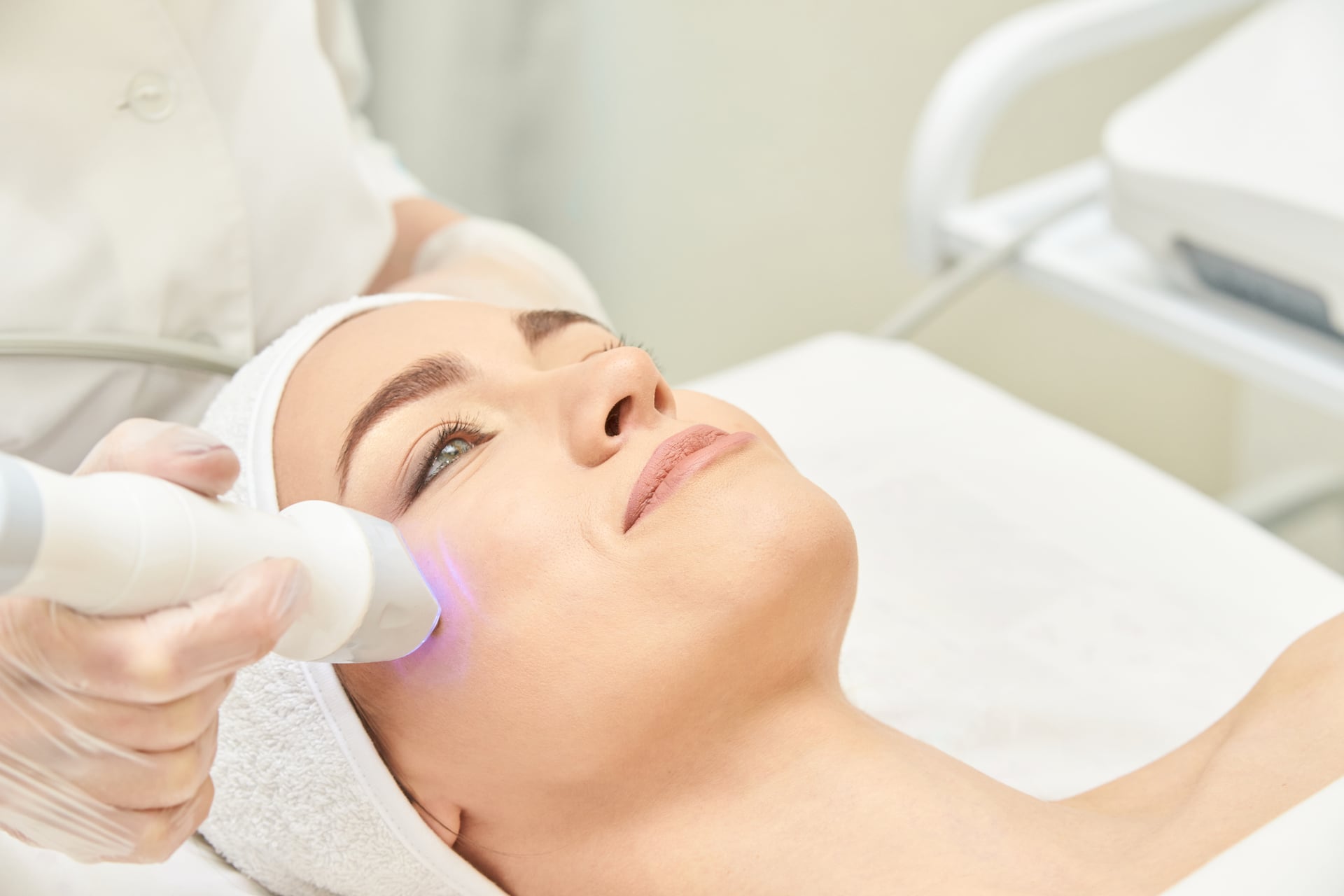
Lydian has developed customised stem cell skin rejuvenation therapy specifically for international clients. The protocol begins with detailed skin analysis—examining oil-moisture balance, wrinkle patterns, pore structure, sebum levels and pigmentation—before crafting a tailored plan targeting structural regeneration rather than surface improvement. Their treatments combine four specialised technologies: Mirajet (a needle-free system delivering stem-cell solutions into precise skin layers), Corezyme (applying "quantum energy" to improve stem-cell integration), Potenza (radiofrequency microneedling for pore tightening), and Endum (fractional resurfacing to reduce scars whilst minimising thermal damage).
Premium After Care For British Patients
The clinic maintains operating theatres and stem-cell processing rooms built to strict standards required for advanced regenerative medicine, including clean-room environments for safe cell handling. Lydian's multilingual team ensures clear communication throughout the journey, from initial online consultations to post-treatment recovery instructions in English. By stimulating new blood-vessel formation and cellular repair, their protocol aims to improve elasticity, tone and texture over time, with minimal downtime—vital for travellers fitting treatments around concerts and sightseeing.
Cost Reality: 40-60% Savings vs Western Countries (e.g., UK, US)
In London, adipose-derived MSC (stem-cell) injections for joints and tendons cost roughly £4,000-12,000 per treatment, once consultation, liposuction, lab processing, imaging and follow-up are included. UK aesthetic procedures routinely sit in the mid-four to low-five-figure pound range, depending on complexity. By contrast, Korean medical tourism cost guides show advanced regenerative and aesthetic procedures—including stem-cell-based anti-aging programmes—are typically 40-70% cheaper than equivalent treatments in the UK, US and Australia.
Industry platforms estimate that multi-session stem-cell packages in Korea often fall in the US$4,000-15,000 range, depending on scope, with cosmetic-focused protocols at the lower end. This means a London BTS fan considering regenerative skincare might find that a three-session stem-cell rejuvenation programme at a Korean clinic costs less than a single complex regenerative procedure at a London private practice—especially when they were already planning to travel for concerts.
BTS Arirang Tour Creates Cultural Pull
Concert Tourism Contributes to 23% Visitor Increase in Q1 2026
As BTS launched their comeback activities in March 2026, South Korea recorded 2.06 million foreign visitors in a single month—the highest monthly figure in its history. Foreign arrivals in the first quarter of 2026 reached 4.76 million, approximately 23% higher than the previous year. The Ministry of Culture, Sports and Tourism explicitly credited BTS's concerts and related events as a major driver, alongside broader post-Covid recovery.
Accommodation data shows that after BTS's free Arirang concert at Gwanghwamun Square was announced, hotel bookings by foreign visitors jumped 103% week-on-week, with Europe and the Americas together accounting for nearly 30% of those bookings. Card-spending analyses found that foreign BTS visitors spent around 1.85 million won per person on average, with tourism officials describing these as "pilgrimage-style" visits where fans visit filming locations, pop-up stores, cafés and museums around concert days.
Sample 7-Day Seoul Itinerary
Days 1-2: Arrival and K-pop immersion—settle in Gangnam or Yeongdeungpo, visit BTS-themed cafés and merch shops, take guided walks around filming locations. Day 3: Lydian consultation and first stem-cell treatment—digital skin analysis, medical history review, and stem-cell or exosome-based rejuvenation session (1-2 hours with minimal downtime). Days 4-5: Attend ARIRANG shows whilst incorporating light K-beauty maintenance and recommended products. Day 6: Optional booster session or complementary therapy, plus afternoon sightseeing at museums or Han River parks. Day 7: Receive aftercare instructions in English before departure, with improvements expected to evolve over following weeks.
Safety Considerations for British Patients
Understanding Autologous vs Allogeneic Treatments
Stem-cell and exosome therapies represent cutting-edge regenerative aesthetics, requiring London travellers to balance excitement with informed caution. Autologous treatments use the patient's own cells, typically harvested from fat or bone marrow, whilst allogeneic treatments use donor cells. Autologous procedures generally carry lower rejection risks but require more complex processing. London readers should clarify which type their chosen clinic offers and understand the implications for safety and efficacy.
Regulatory Standards and Clinic Verification
Global regulators caution that whilst early data on autologous stem-cell therapies show promise for certain indications, long-term evidence for purely cosmetic uses continues developing. British patients should verify clinic licensing and stem-cell facility approvals, ask for realistic timelines and expected outcomes, and compare options with CQC and HTA-regulated treatments in the UK. Not all advertised protocols are backed by equally strong data, making due diligence vital.
Seoul Becomes Global Skin Capital for London ARMY
Korea's MOHW data reveals a country that has quietly transformed into the world's premier skin clinic destination: 2.01 million foreign patients and roughly 1.31 million dermatology visits in 2025, with most treatments delivered in Seoul's advanced clinics. BTS's Arirang comeback adds cultural magnetism, driving record foreign visitor numbers and encouraging fans from London and beyond to treat Korea as both a concert destination and a place to reset their appearance.
For London ARMY willing to blend fandom with self-care, Seoul offers a distinctly 2026-style itinerary: cheer for idols at night, then quietly regenerate skin cells by day—all under the umbrella of K-pop, K-beauty and K-medical excellence that has positioned Seoul as a global hub for both music and medicine. The convergence of cultural pilgrimage and medical innovation creates unprecedented opportunities for those seeking world-class regenerative treatments whilst immersing themselves in Korean culture.
The data tells a compelling story: when advanced medical technology meets competitive pricing and cultural appeal, traditional boundaries between tourism and healthcare dissolve. Seoul has mastered this integration, offering London visitors not just entertainment and shopping, but genuine medical innovation that would cost significantly more at home. For BTS fans with disposable income and an interest in cutting-edge skincare, the Korean capital represents the perfect storm of passion and practicality.
Learn how Lydian Cosmetic Surgery Clinic combines world-class stem cell expertise with personalised care for international patients seeking advanced skin rejuvenation in Korea's medical tourism capital.
Lydian Cosmetic Surgery Clinic
City: Seoul
Address: 836 Nonhyeon-ro, Sinsa-dong, Gangnam
Website: https://www.lydianclinic.com/


Comments
Post a Comment