Signs of Mold in Air Conditioners: Pearland Experts Share Warning Signs
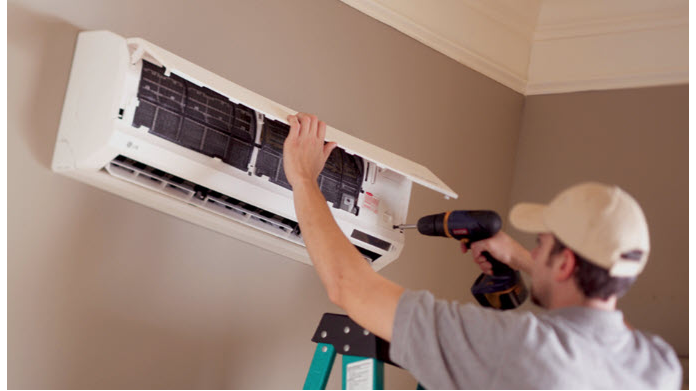
Air conditioning systems are designed to remove humidity from indoor air, but that same moisture-removal process can create conditions where mold grows if a system isn't functioning properly. In humid climates, where cooling systems run for extended periods throughout the year, mold inside an air conditioner is a more common problem than many homeowners realize. Recognizing the early signs can help prevent a minor issue from turning into a larger air quality concern.
Musty or Sour Odors When the System Runs
One of the most noticeable signs of mold in an air conditioner is a musty or sour smell that appears shortly after the system turns on. This odor often comes from mold or mildew growing on the evaporator coil, inside the ductwork, or within the drain pan. Unlike dust smells, which tend to fade quickly, mold odors are usually persistent and return every time the system cycles.
Experts from Colley Refrigeration Pearland explain that homeowners sometimes mistake this smell for a dirty air filter, and while a clogged filter can contribute to poor air quality, a lingering musty odor that doesn't improve after a filter change usually points to moisture buildup somewhere else in the system.
Visible Growth Near Vents or Indoor Units
Mold growth is sometimes visible without needing to open up the system. Dark spots, discoloration, or a fuzzy texture around supply vents, return air grilles, or the indoor unit itself can indicate that spores have already spread beyond the internal components. Visible mold is often a sign that the problem has been present for some time, since it typically takes sustained moisture exposure for growth to become noticeable on surfaces outside the unit.
Homes with older ductwork or systems that have gone without a professional cleaning in several years are more likely to show visible signs, particularly in humid regions where indoor and outdoor moisture levels stay elevated for much of the year.
Increased Humidity or Condensation Indoors
An air conditioner that isn't dehumidifying properly can allow indoor humidity to climb even while the system continues running. Signs include condensation on windows, a persistent damp or sticky feeling in the air, or rooms that never seem to cool evenly. When a system fails to pull adequate moisture from the air, that excess humidity creates favorable conditions for mold to develop, both inside the equipment and on nearby surfaces like drywall or baseboards.
Water pooling near an indoor unit is another related warning sign. This can point to a clogged condensate drain line, which prevents moisture from draining away as intended and instead allows it to collect in areas prone to mold growth.
Health Symptoms That Appear or Worsen Indoors
In some cases, physical symptoms are the first indication of a mold problem. Increased allergy symptoms, coughing, throat irritation, or worsening asthma symptoms that occur mainly indoors and improve when away from home can be linked to airborne mold spores circulating through an HVAC system. While these symptoms can have many causes, a pattern that consistently connects to time spent indoors is worth investigating further, especially if it coincides with musty odors or visible growth elsewhere in the home.
People with respiratory sensitivities or compromised immune systems may notice these symptoms more quickly than others, making early detection especially useful for vulnerable household members.
What These Signs Mean for Homeowners
Mold inside an air conditioning system rarely resolves on its own, since the moisture and organic material that support its growth typically remain unless the underlying cause is addressed. Ignoring early warning signs can allow spores to spread further through ductwork and into living spaces, increasing both the scope of cleanup needed and the potential impact on indoor air quality.
Homeowners who notice persistent odors, visible growth, humidity problems, or unexplained health symptoms that track with time spent at home should treat these signs as worth investigating rather than dismissing them as minor inconveniences. Because mold inside an HVAC system is often difficult to fully assess or remove without opening up internal components, a licensed HVAC professional can inspect the coils, drain lines, and ductwork to confirm the source of the problem and recommend an appropriate course of action.
Addressing the root cause, whether it's a drainage issue, a failing dehumidification function, or accumulated debris inside the ductwork, is generally more effective than masking the symptoms with air fresheners or temporary fixes.
Colley Refrigeration
City: Clute
Address: 621 Brazosport Blvd N
Website: https://colleyrefrigeration.com/
Phone: +1 979 491 9570
Email: info@colleyrefrigeration.com


Comments
Post a Comment