Selling a Flood-Damaged House Fast: Cash Offers vs. the Traditional Path
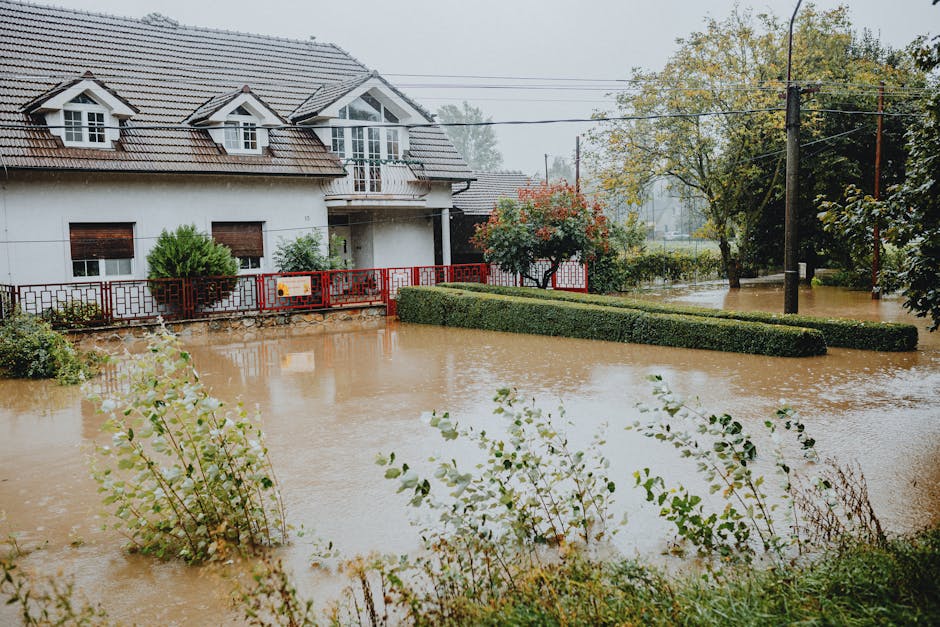
Flooding is one of the most disruptive events a homeowner can face. Beyond the immediate cleanup, water damage often leaves behind structural issues, mold risk, and a property that no longer looks or functions the way it did before the storm. For many homeowners, the question quickly shifts from "how do I fix this?" to "should I sell instead?" Understanding how flood damage affects a traditional sale, and how cash buying offers a different path, can help homeowners make a more informed decision.
Why Flood Damage Complicates a Traditional Sale
Selling a home through conventional channels typically requires the property to meet certain expectations. Buyers using mortgages need the home to pass an appraisal and, in many cases, a lender-required inspection. Flood damage, whether it affects the foundation, electrical systems, flooring, or drywall, can cause a home to fail these checks outright or push its appraised value well below what repairs would cost to restore.
Even when a damaged home does qualify for a mortgage, the process introduces delay and uncertainty. Lenders may require proof that repairs have been completed, insurance documentation, or additional inspections before approving a loan. Buyers, understandably cautious about unknown damage, may also negotiate aggressively or walk away entirely if repair estimates come back higher than expected. For a homeowner who needs to resolve the situation quickly, these obstacles can turn a stressful event into a prolonged one, sometimes stretching a sale out for months without resolution.
How Cash Buying Changes the Equation
A cash sale removes many of the requirements that complicate a traditional listing. Because there's no mortgage lender involved, the transaction isn't contingent on a formal appraisal or a lender's inspection standards. Cash buyers typically evaluate the property based on its current condition and the estimated cost of repairs, then make an offer that reflects that reality, rather than requiring the seller to complete the repairs first.
This distinction matters most for flood-damaged properties. Instead of investing time and money into remediation, structural repairs, or mold treatment before a home can even be listed, a homeowner can sell the property as it stands. Experts from Trudeau Consultancy explain that the buyer assumes responsibility for the repair work after the sale closes, which shifts both the financial burden and the timeline away from the seller.
Because the sale isn't dependent on loan approval, closings can also happen considerably faster than a traditional transaction, which often takes 30 to 60 days at a minimum once a mortgage is involved. Cash sales can close in a matter of days to a few weeks, depending on the complexity of the property's title and paperwork.
What Homeowners Should Weigh Before Selling As-Is
While a cash sale offers speed and simplicity, it's worth understanding the trade-off. Because the buyer is taking on the cost and risk of repairs, offers on flood-damaged homes are generally lower than what the property might fetch in fully repaired condition on the open market.
The right choice often depends on individual circumstances: the extent of the damage, available insurance coverage, flexibility, and how quickly the homeowner needs to resolve the sale. Homeowners considering this route should request a clear breakdown of how an offer was calculated and consult a real estate professional or attorney if there's uncertainty about the numbers.
Conclusion
Flood damage doesn't have to mean a home is unsellable, but it does change what selling looks like. Traditional sales built around mortgages, appraisals, and repair expectations often struggle to accommodate storm-damaged property, leading to delays or failed transactions. Cash buying offers a more direct path: a faster process, fewer contingencies, and no requirement to repair the home before selling. For homeowners weighing their options after a flood, understanding both routes and the trade-offs each involves is the first step toward the right decision for their situation.
Trudeau Consultancy
City: St. Petersburg
Address: 7901 4th St. N
Website: https://www.trudeauconsultancy.com/


Comments
Post a Comment