Scorpion Hiding Areas: Desert Southwest ACE Reveals High-Risk Zones
Key Takeaways
- Albuquerque's warm high-desert climate, rock landscaping, and seasonal temperatures create conditions that support scorpion activity for a significant portion of the year, with peak activity from spring through fall and extended activity in warm microclimates.
- The Striped Bark Scorpion is a very common scorpion species in New Mexico, particularly in central and eastern areas, but the Arizona Bark Scorpion - capable of climbing walls and ceilings - poses an additional threat in the southwestern part of the state.
- Scorpions are nocturnal and spend daylight hours hiding in cool, dark spaces including patios, garages, block walls, and xeriscape rock beds - many of which homeowners overlook.
- Effective scorpion control starts outside: habitat modification and targeted perimeter treatments are the most impactful steps a homeowner can take.
- Keep reading to learn which specific hiding zones around your home carry the highest risk - and what an ACE-certified approach looks like in practice.
Most people don't think about scorpions until they find one in a shoe or spot one crawling across the bathroom floor at 2 a.m. Scorpions don't appear out of nowhere, though. They follow predictable patterns driven by heat, shelter, and food - and in Albuquerque, the conditions are nearly perfect for them.
Albuquerque's High-Desert Climate and Scorpion Activity
Albuquerque sits in a high-desert environment at roughly 5,300 feet elevation, with hot summers, mild winters, and low humidity year-round. That combination keeps scorpion populations active for a longer stretch of the year than many homeowners expect. Scorpion activity peaks during the warmer months - roughly May through October - but warm microclimates created by south-facing walls, concrete slabs, and rock landscaping can extend that window considerably.
Scorpions are ectothermic, meaning external temperatures regulate their body temperature. When daytime heat becomes extreme, they retreat into cooler, sheltered spaces. When nighttime temperatures drop, they emerge to hunt. This back-and-forth cycle between hiding and hunting is what makes them so difficult to manage without a deliberate, property-wide strategy.
New Mexico's Most Common Scorpion Species
Not all scorpions behave the same way. The species found in New Mexico have distinct characteristics that directly affect where they hide and how much of a threat they pose.
Striped Bark Scorpion: A Frequent Presence in Albuquerque
The Striped Bark Scorpion (Centruroides vittatus) is a very common scorpion species in New Mexico, particularly in central and eastern areas, and is frequently encountered in residential properties. Identified by two dark stripes running down its back and a slender, yellowish-tan body, this species gravitates toward rocks, logs, fallen debris, and any undisturbed ground-level cover - making rock landscaping and cluttered yards prime real estate. Stings are painful and can cause localized swelling, though healthy adults typically recover without serious complications.
Arizona Bark Scorpion: A Southwestern New Mexico Concern
The Arizona Bark Scorpion (Centruroides sculpturatus) is the most venomous scorpion in North America and is primarily found in southwestern New Mexico and neighboring Arizona. What sets this species apart is its ability to climb - it can scale rough block walls, tree bark, and even ceilings, which dramatically expands its potential hiding zones inside and outside a home. Anyone living near the New Mexico-Arizona border, or in communities with strong southwestern desert exposure, should treat this species as a serious consideration.
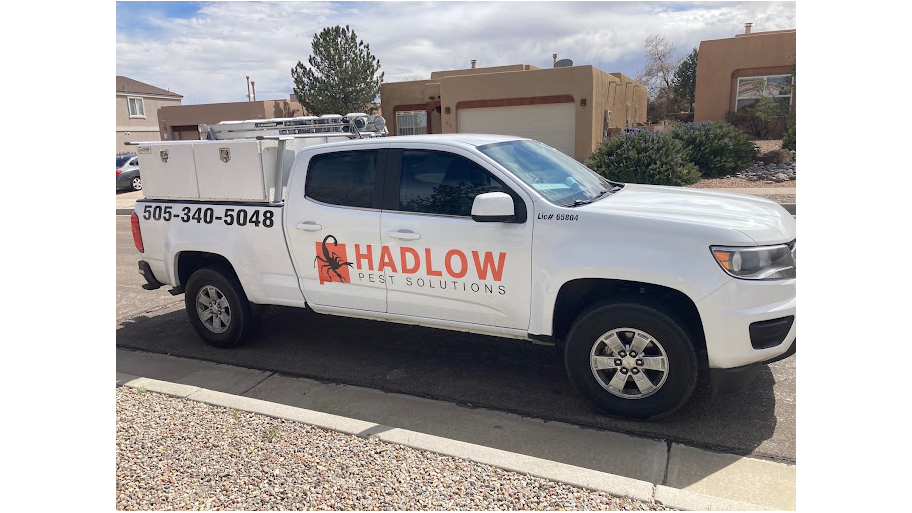
Knowing which species is present on a property shapes every decision in a control plan. This is where expertise from an Associate Certified Entomologist (ACE) makes a measurable difference. Leverett Hadlow of Hadlow Pest Solutions Albuquerque brings ACE-level entomological knowledge to local scorpion assessments, helping homeowners understand exactly what they're dealing with before any treatment begins.
Why Scorpions Target Residential Properties
Scorpions are drawn in by very specific conditions - most of which are common features of Albuquerque residential properties.
Nocturnal Behavior Drives Daytime Hiding
Scorpions are strictly nocturnal hunters. During the day, they need cool, dark, undisturbed spaces to rest - and suburban homes offer dozens of them. Gaps under doors, spaces beneath patio furniture, the underside of potted plants, piles of stored lumber, and the shadowed voids inside block walls all qualify. Because these resting spots are easy to overlook during a visual inspection, infestations often go unnoticed until a sting occurs.
Outdoor Lighting Draws Prey - and Scorpions
Outdoor lighting is one of the less obvious contributors to scorpion pressure around homes. Exterior lights attract moths, beetles, and other flying insects - exactly the prey scorpions hunt. This creates a reliable nightly food source along exterior walls and near entry points, essentially anchoring scorpion activity to the perimeter of the home. Switching to yellow-tinted or sodium vapor bulbs, which are less attractive to insects, is a practical and underutilized prevention step.
High-Risk Scorpion Hiding Zones Around Your Home
Knowing where scorpions hide is one of the most actionable pieces of information a homeowner can have. These aren't random locations - they're specific structural and landscape features that consistently appear in professional inspections.
Patios, Foundations, and Exterior Walls
Concrete patios and exterior foundations create long stretches of shaded, sheltered ground-level cover. Cracks in mortar joints, gaps where the foundation meets the soil, and spaces beneath patio slabs are all prime resting spots. Exterior walls - especially those with rough stucco or block construction - also provide grip and concealment, particularly for climbing species like the Arizona Bark Scorpion.
Garages and Outdoor Storage Areas
Garages rank among the highest-risk indoor scorpion zones. Clutter, cardboard boxes, stored firewood, and rarely moved equipment all create ideal hiding conditions. Scorpions can squeeze through gaps as small as a credit card's thickness, and garage door seals are a frequent entry point. Outdoor sheds carry the same risk - especially those built on bare soil or gravel, which gives scorpions easy access from below.
Block Walls, Trees, and Climbable Surfaces
Decorative block walls are extremely common in Albuquerque yards - and extremely scorpion-friendly. The hollow cores and rough exterior surfaces offer both shelter and climbing access. Trees planted near the home create elevated pathways, especially for Arizona Bark Scorpions, which can drop from overhead branches or enter through rooflines. Palm trees, in particular, are a known harborage site in the Desert Southwest due to their fibrous bark and frond skirts.
Xeriscape Yards: A Hidden Scorpion Hotspot
Xeriscape landscaping is standard in Albuquerque - it conserves water, reduces maintenance, and fits the desert aesthetic. It also creates some of the most scorpion-friendly environments a homeowner can have.
How Rock Landscaping Creates Ideal Cover
Decorative gravel, flagstone paths, boulder arrangements, and dry riverbeds all share one trait: they create a network of cool, dark voids at ground level. Scorpions use these gaps during the day and emerge from them at night to hunt along the perimeter of the home. The closer rock landscaping sits to the foundation, the higher the risk of eventual indoor entry. Even a thin gravel border immediately against the exterior wall significantly increases contact pressure.
Indoor Entry Points Homeowners Overlook
Scorpions don't need a wide-open door to get inside. They can enter through gaps under exterior doors without door sweeps, around plumbing and utility penetrations, through weep holes in brick or block construction, and via improperly sealed window frames. Once inside, they follow wall edges and seek out bathrooms, laundry rooms, and any area with residual moisture or insect activity.
A thorough seal-up of these points - door sweeps, caulk around pipe penetrations, weatherstripping on windows - provides a meaningful barrier that chemical treatments alone cannot replicate.
ACE-Backed Scorpion Control Starts Outside
The most effective scorpion control strategies begin at the perimeter and work inward - addressing the habitat conditions that attract and sustain scorpion populations before targeting the scorpions themselves.
Habitat Modification and Harborage Removal
Reducing harborage is the single most impactful non-chemical step a homeowner can take. This means:
- Moving woodpiles away from the home's exterior
- Clearing debris, leaf litter, and unused equipment from yard edges
- Trimming tree branches that overhang the roofline
- Creating a gravel-free buffer zone immediately against the foundation
- Removing or relocating potted plants and patio furniture that sit directly on the ground
These steps reduce the number of resting sites available to scorpions, which directly lowers population pressure around the home regardless of what treatments are applied.
Perimeter Treatments That Actually Work
Professional perimeter treatments use professional-grade insecticide formulations applied in a targeted band around the home's exterior, focusing on entry points, foundation gaps, and harborage zones. The goal is twofold: reduce the insect prey populations scorpions depend on, and directly impact scorpions moving along the perimeter. Residual treatments applied to block walls, rock beds, and cracks in hardscape surfaces extend the protective window significantly. Studies in desert communities consistently show that regular perimeter treatments combined with habitat modification produce the most sustained reductions in scorpion activity.
Albuquerque Homeowners: Don't Wait for a Sting to Act
Scorpions are nocturnal and often hide during the day, meaning they are almost never seen during a casual yard walkthrough. While they typically give little warning before a sting, they can leave small, dark droppings and may make rustling sounds at night - both of which can indicate their presence. By the time a homeowner spots one inside the house, there's a strong chance others are already established in the surrounding environment.
The high-risk zones covered here - rock beds, garages, block walls, foundation edges, and indoor entry points - represent the places a trained inspection will prioritize. Addressing them proactively, before a sting occurs, is both safer and significantly more cost-effective than reactive treatment after an infestation is established.
For property-specific guidance and ACE-informed scorpion control across Albuquerque and surrounding communities, Hadlow Pest Solutions offers professional inspections and targeted treatment plans designed around New Mexico's unique desert environment - call (505) 340-5048 to get started.
Hadlow Pest Solutions Albuquerque
City: Albuquerque
Address: 4501 Bogan Ave NE
Website: https://hadlowpestsolutions.com/
Phone: +1 505 340 5048


Comments
Post a Comment