Naprapathy vs. Osteopathy: West Hartford Experts Explain the Difference
Key Takeaways
- Naprapathy and osteopathy both take a whole-body, hands-on approach to pain relief, but they differ significantly in scope, training, and technique.
- Naprapathy zeroes in on connective tissue (fascia) as the root cause of pain and dysfunction - and uses gentle, non-forceful methods to correct it.
- Osteopathic physicians (DOs) are fully licensed medical doctors who can prescribe medications and perform surgery, making osteopathy a complete medical system rather than a standalone manual therapy.
- For West Hartford residents seeking conservative, drug-free options, understanding which approach targets your specific condition can make a real difference in outcomes.
Two Holistic Paths, One Goal: Less Pain
Pain has a way of making people research things they never expected to — like what a naprapathic doctor actually does, or whether a DO is the same as an MD. For West Hartford residents dealing with musculoskeletal pain, stiffness, or recurring discomfort, that confusion is real. According to the West Hartford specialists from Poe Holistic Health and Wellness, naprapathy and osteopathy are among the approaches they see patients asking about most — two philosophically related disciplines that differ more than people expect.
Both disciplines reject the idea that pain management begins and ends with medication. Both use hands-on techniques. And both treat the person, not just the complaint. But they diverge sharply in focus, scope, and what a patient can expect on the table. Understanding those differences is the first step toward finding the right fit.
What Is Naprapathy?
Naprapathy is a clinically grounded, conservative approach to pain and movement dysfunction that focuses on one essential system: connective tissue, also called fascia. Founded on November 16, 1905, by Dr. Oakley Smith, naprapathy is built on the premise that shortened, restricted, or pathological connective tissue - not just bones or joints - is the source of many neuromusculoskeletal problems. By correcting those tissue conditions, naprapathic care aims to restore mobility, reduce pain, and prevent future injury.
Fascia as the Root Cause
Fascia is the web of connective tissue that surrounds and connects muscles, nerves, organs, and bones throughout the body. When fascia becomes restricted - through injury, poor posture, overuse, or chronic stress - it can compress nerves, limit movement, and create pain patterns that seem to come from nowhere. Naprapathy treats these restrictions directly, addressing what practitioners call ligatites: areas of connective tissue dysfunction that impair circulation and nerve function. Research, including a large randomized controlled trial, has supported naprapathy as an effective treatment for non-specific back and neck pain.
No Cracking, No Forceful Thrusts
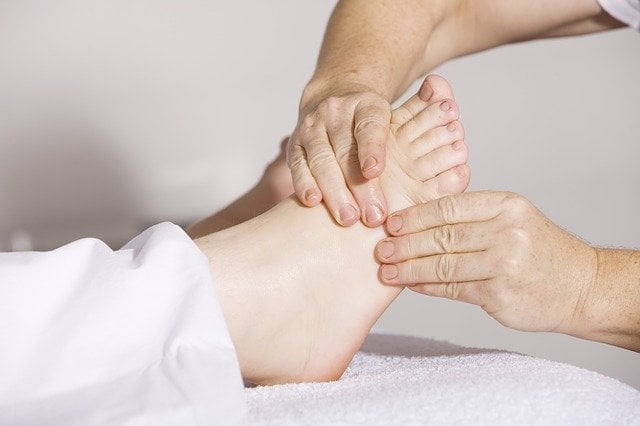
One of the most important distinctions for patients who have had uncomfortable experiences elsewhere: naprapathy does not involve high-velocity adjustments, snapping, or forceful joint manipulation. Treatment is calm, controlled, and intentionally gentle. Sessions typically combine hands-on fascial work with tools like Graston Technique® (instrument-assisted soft tissue mobilization), percussive therapy for circulation, and supportive modalities such as cupping or heat. The approach prioritizes soft tissue correction before - or instead of - any bone-level intervention.
What Is Osteopathy?
Osteopathy was founded by American physician Andrew Taylor Still, who opened the first school of osteopathic medicine in 1892 after developing his theory in 1874. Still believed the musculoskeletal system was the primary driver of overall health and that restoring structural alignment could activate the body's innate healing abilities. Today, osteopathic medicine has fully integrated with mainstream medical practice while retaining its manual therapy roots.
DOs Are Fully Licensed Physicians
In the United States, osteopathic physicians (DOs) are fully licensed medical doctors. They complete the same rigorous medical school training as MDs, pass national licensing exams, and hold full practice rights in all 50 states and the District of Columbia. A DO can prescribe medications, perform surgery, and specialize in any medical field - from pediatrics to pain medicine. The distinguishing element of their training is an additional layer of education in osteopathic philosophy and Osteopathic Manipulative Treatment (OMT): hands-on techniques that include gentle pressure, stretching, and resistance to diagnose and treat illness.
Beyond Manual Therapy
Because DOs function as complete physicians, osteopathy is a full medical system. An osteopath may use OMT as one tool within a broader treatment plan that also includes diagnostics, lab work, imaging, pharmaceuticals, or referrals. West Hartford patients seeking a primary care physician who also incorporates hands-on structural work will find that osteopathy fits that model well. West Hartford patients looking for a primary care physician who also incorporates hands-on structural work will find that osteopathy fits that model well — some local DO practices combine OMT with primary care services, musculoskeletal imaging, or pain medicine specializations.
Where They Overlap - and Where They Diverge
Shared Philosophy, Different Scope
At their core, both naprapathy and osteopathy share a belief that the body has a remarkable capacity to heal when structural barriers are removed. Both use hands-on manual techniques. Both look beyond the symptom to ask why the body is compensating. And both offer a conservative alternative to medication-first treatment models.
The divergence is in scope. Osteopathy is a full medical system - the DO can be your primary care doctor, your manipulative therapist, and your prescribing physician all at once. Naprapathy, by contrast, is a specialized discipline with its entire expertise directed at connective tissue and fascial health, making it exceptionally precise in that lane.
Connective Tissue vs. the Whole Medical System
An osteopath casts a wide medical net, with OMT as one important tool. A naprapathic doctor focuses that net on fascia, with deep, refined expertise in how connective tissue dysfunction drives pain. For patients with a clear musculoskeletal or soft tissue complaint - neck tension, sciatica, a stubborn overuse injury - naprapathy's singular focus can be a significant advantage. For patients managing complex or systemic conditions alongside structural problems, the broader scope of osteopathic medicine may be the better entry point.
Conditions Naprapathy Treats
Naprapathic care addresses a wide range of musculoskeletal and soft tissue conditions. Here is how those conditions break down across the most common categories:
Spine, Nerve, and Head Pain
- Neck and back pain
- Sciatica and nerve irritation
- Headaches and migraines
- Scoliosis and postural dysfunction
- Whiplash and accident-related injuries
- TMJ and jaw tension
Joint, Soft Tissue, and Overuse Injuries
- Shoulder, hip, and joint pain
- Sprains, strains, and spasms
- Sports injuries and muscular imbalances
- Carpal tunnel syndrome
- Tennis elbow, golfer's elbow, and IT band syndrome
- Achilles tendinitis and foot pain
Chronic and Systemic Conditions
- Neuropathy and chronic tension patterns
- Post-surgical recovery
- Aches and pains associated with menopause and hormonal shifts
- Nervous system dysregulation and stress-related tension
- General connective tissue and fascia health
What connects all of these conditions is a common thread: restricted, shortened, or dysfunctional fascia is either causing or contributing to the problem. Naprapathy targets that thread directly.
Which Option Fits Your Situation?
The honest answer is: it depends on what you are dealing with and what kind of care you are looking for.
Naprapathymaybe the better starting point if:
- You have a specific musculoskeletal or soft tissue complaint - pain, restriction, or an overuse injury
- You prefer a gentler, non-forceful hands-on approach
- You want to avoid medications or surgery if at all possible
- You have tried other approaches and still feel stuck
- You are an athlete, an active person, or someone who works in a physically demanding or sedentary role
- You want a complementary approach alongside care from your primary physician
Osteopathy may be the better fit if:
- You want a primary care physician who also incorporates manual therapy
- Your condition involves systemic or internal components alongside structural issues
- You need diagnostic workup, prescriptions, or specialist referrals alongside hands-on treatment
- You prefer a single provider managing multiple aspects of your care
Neither approach is universally superior - they are different tools for different situations. Some patients use both at different stages of care or for different needs. What matters most is matching the tool to the problem.
Poe Holistic Health and Wellness
City: Shrewsbury
Address: 129 Hartford Tpke #4e
Website: https://www.poeholistichealth.com/
Phone: +15083882853


Comments
Post a Comment