Is Xylan Coating Worth It? Cleveland Pro Explains Corrosion Prevention Benefits
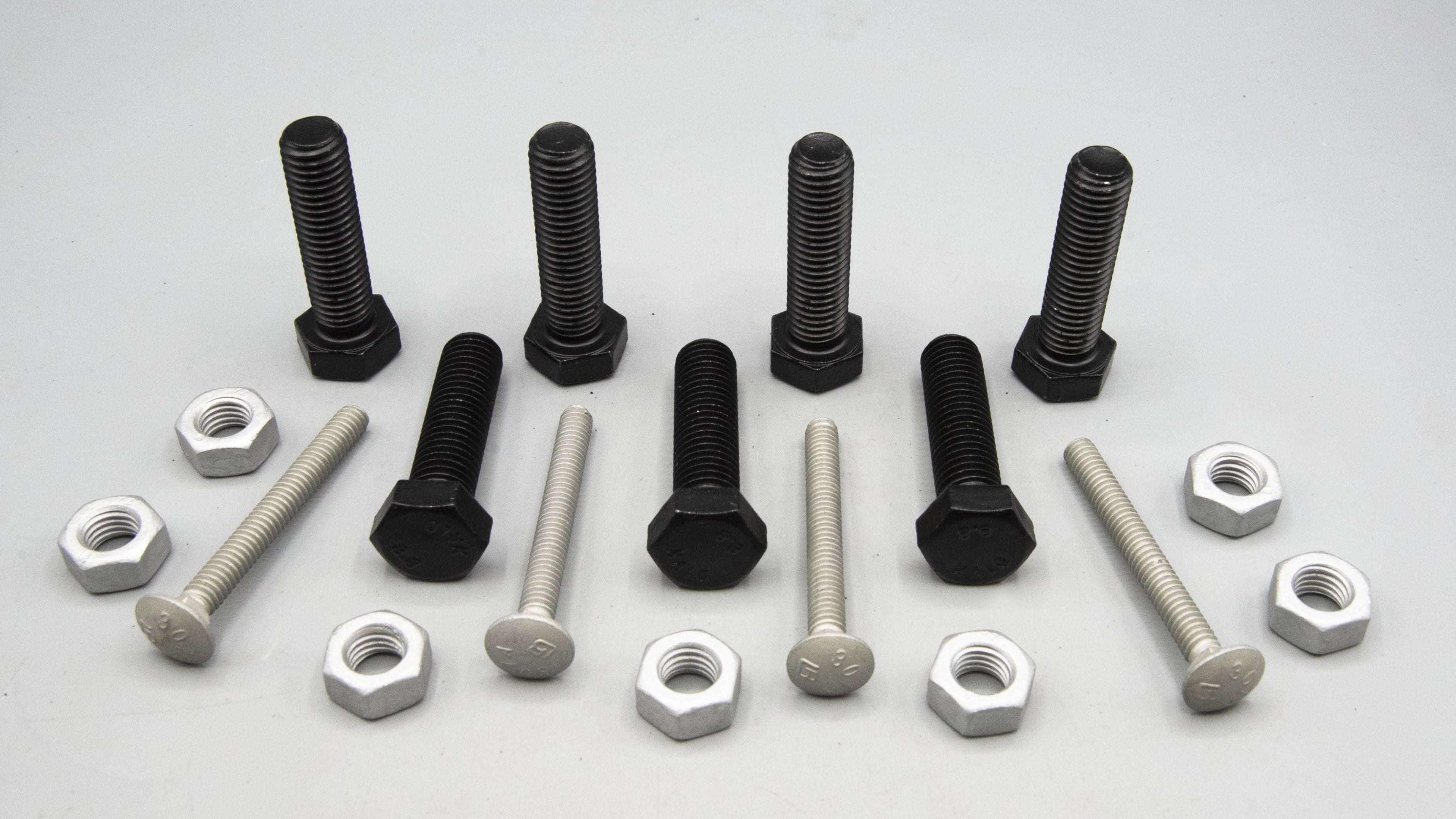
Corrosion remains a costly and persistent problem across manufacturing and industrial sectors, and demand for protection against it shows no sign of slowing. According to Grand View Research, the global corrosion protective coatings market was valued at USD 20.59 billion in 2023 and is projected to grow at a 7.4% CAGR from 2024 to 2030, a trend that reflects how seriously industries of all kinds are now treating long-term component protection.
That same pressure is showing up on factory floors and in fabrication shops more broadly, where a familiar question keeps resurfacing: how to protect metal components from corrosion without driving up long-term costs. One coating that keeps coming up in that conversation is Xylan, a fluoropolymer-based finish long used on fasteners and industrial hardware.
What Xylan Coating Actually Does
Xylan is a dry-film lubricant coating built from a blend of fluoropolymers, most commonly combinations of PTFE, PFA, and FEP. Unlike paint or standard plating, it forms a thin, durable film bonded to the surface of metal parts. The coating is known for three core properties: low friction, resistance to wear, and protection against corrosion. It can typically withstand temperatures ranging from roughly -250°C to 285°C, which makes it suitable for everything from outdoor construction hardware to components used in extreme industrial environments.
For corrosion specifically, Xylan acts as a barrier between the metal substrate and the elements that cause oxidation, such as moisture, salt, and certain chemicals. This is particularly relevant for fasteners and structural components exposed to humidity, road salt, or marine air, all of which accelerate rust formation on uncoated or inadequately protected steel.
Where the Value Becomes Clear
Industrial coating specialists generally agree that Xylan earns its cost in specific, predictable scenarios rather than across the board. Components exposed to saltwater, industrial chemicals, or repeated thermal cycling tend to benefit the most. Offshore equipment, automotive fasteners exposed to road salt, and outdoor structural hardware are common examples where the coating's resistance to red rust and degradation translates into fewer replacements and less downtime.
Friction reduction adds a secondary benefit. Experts from Aalberts Surface Technologies Cleveland explain that coated fasteners are less prone to galling and seizing during installation, which matters in high-volume assembly work or in field conditions where a stripped bolt can stall a project for hours. Maintenance crews working on outdoor or remote equipment often cite this as a practical advantage, since it reduces the time and labor needed for routine disassembly and inspection. For operations weighing the total cost of ownership rather than the upfront price, that combination of corrosion resistance and easier assembly often justifies the additional expense over standard zinc plating or galvanizing.
Where It May Not Be Necessary
Not every application calls for this level of protection. Indoor components in climate-controlled environments, low-stress hardware, or parts with short service-life expectations may not need the added cost of a fluoropolymer coating. Standard zinc plating or powder coating can perform adequately in milder conditions, and Xylan's premium pricing is harder to justify when the corrosion risk is low to begin with.
Cost is also a legitimate consideration. Xylan coating services typically run higher than basic plating, and pricing varies by part size, batch volume, and the specific formulation selected. Buyers evaluating the coating should weigh the expected service environment against the price difference rather than assuming the most advanced option is automatically the right one.
The Bottom Line
Xylan coating tends to be worth the investment when components face genuine corrosion risk: saltwater exposure, chemical contact, outdoor weathering, or repeated assembly and disassembly. For lower-stress, indoor, or short-term applications, simpler and less expensive coatings may offer comparable performance at a lower price point. As manufacturing investment continues to grow, the smartest approach is matching the coating to the actual operating environment rather than defaulting to the most advanced option available.
Aalberts surface technologies - Cleveland, TN
City: Cleveland
Address: 162 Corporate Drive SW
Website: https://aalberts-polymer.us/
Phone: +1 423 559 9900
Email: Jeffrey.LeMaster@aalberts-polymer.us


Comments
Post a Comment